
Yoga As One Part Of Care
Fibromyalgia can bring widespread pain and stiffness, along with changes in energy and daily comfort. Unlike some forms of arthritis, it does not cause significant damage to muscles or joints. Even so, symptoms can affect how movement feels from day to day.
Yoga may offer a gentle way to explore movement, body awareness, breathing, and relaxation. Research suggests it may support well-being for some people, but evidence is limited and yoga is not a cure or a substitute for medical care. A review of research describes possible benefits for daily function and mood, while underscoring the need to stay realistic about what practice can do (yoga and pain relief).
There is no single routine that fits everyone. Symptoms and energy can vary, so a comfortable practice may change over time. At eclipsewellness.net, care is framed around combining conventional and holistic approaches with attention to each person’s needs. Discussing movement with a clinician can help you decide what feels appropriate and how to adapt it.
What Research Says About Yoga
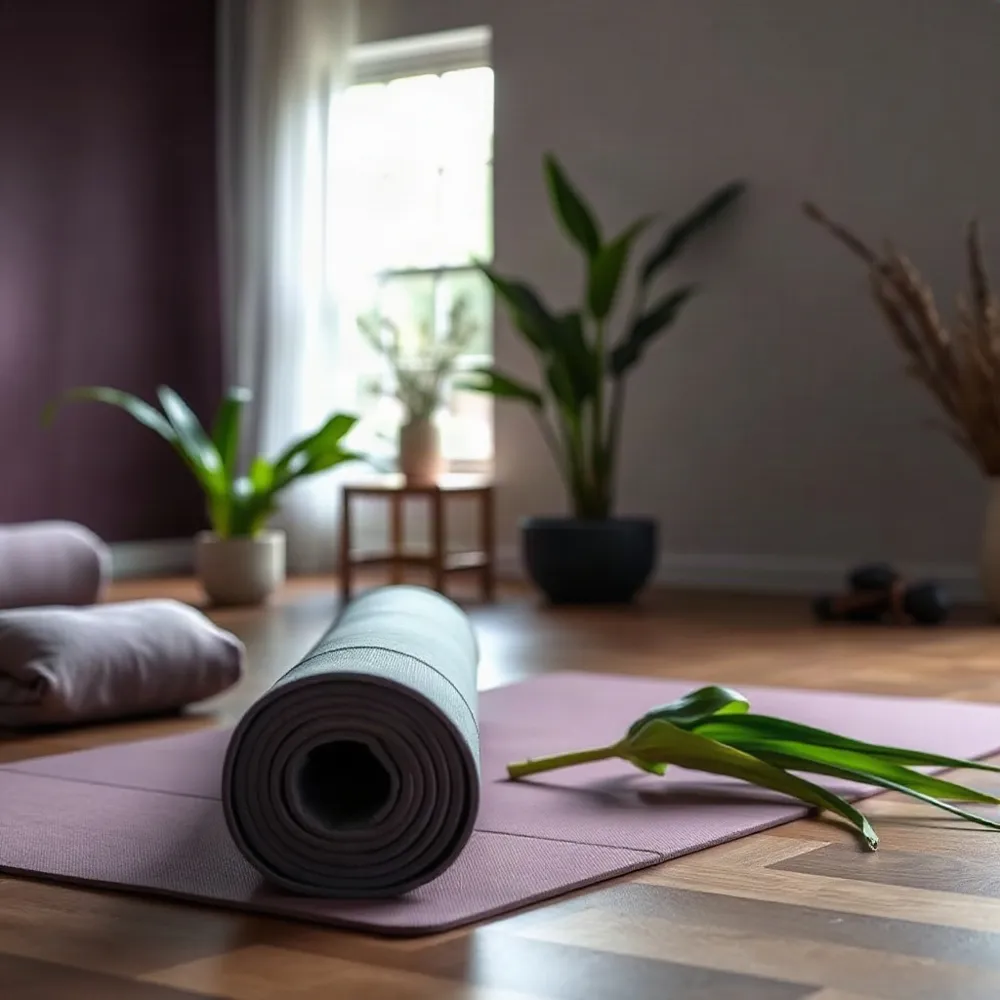 Research suggests yoga may support sleep, fatigue, mood, stress, quality of life, and daily function for some people with fibromyalgia. Its mix of gentle movement, breathing, meditation, and relaxation may also encourage body awareness. These findings are encouraging, but the evidence remains limited, and yoga has not been shown to reliably reduce pain or other symptoms.
Findings across studies are mixed. One study reported that participants had more days when they felt well and missed work less often, but did not report less pain or fatigue. Another reported improvements in pain, fatigue, and mood. A later analysis suggested possible quality-of-life benefits while finding insufficient evidence to confirm symptom reduction, as summarized in this review of yoga research for fibromyalgia.
A meta-analysis of 17 studies involving more than 1,600 participants found improvements in daily function, mood, and psychosocial well-being among people with fibromyalgia and people with osteoporosis-related spinal curvature, according to Harvard Health’s review of yoga for pain relief. This broader finding does not mean every person will benefit, or that yoga replaces medical care.
For a safer start, discuss yoga with a healthcare provider, especially if you have other health conditions or are considering vigorous or heated classes. Tell the instructor about pain, fatigue, and movement limits so poses can be adapted. Begin gently, take breaks, and modify or skip any movement that feels uncomfortable rather than pushing through pain. At eclipsewellness.net, yoga can be considered within personalized care that combines holistic practices with conventional medical treatment; continue prescribed care unless your clinician advises otherwise.
Poses And Modifications To Try
 Treat these poses as examples to discuss with a clinician or qualified yoga instructor, not as proven treatments for fibromyalgia. A pose can be changed, skipped, or replaced according to your comfort. Personalized care at eclipsewellness.net brings conventional and holistic approaches together, which can help keep movement choices grounded in your health needs.
Gentle options to discuss
For a standing forward bend, or Uttanasana, fold from the hips and place your hands on the floor only if that feels comfortable. Rest them on your thighs or calves instead, and keep your knees bent if a straighter-leg stretch bothers your back. In bridge pose, or Setu Bandha Sarvangasana, lie on your back with knees bent, gently lift the tailbone while breathing out, then lower slowly. A rolled blanket beneath the shoulders may support the neck, but avoid this pose if you have a history of neck injury. These pose descriptions and cautions are outlined in guidance on yoga for fibromyalgia.
Cobra pose, or Bhujangasana, begins lying face-down. Press into your hands to lift the upper body while keeping your feet and pelvis on the floor. Avoid it during pregnancy or if you have a headache, carpal tunnel syndrome, or a back injury. Corpse pose, or Savasana, is simply lying comfortably and breathing slowly. Use it for relaxation rather than stretching. Yoga postures should stay within a comfortable range, and you should stop if a movement causes pain, as Harvard Health explains.
A chair or wall can add stability; cushions, blocks, and folded blankets can reduce effort. Seated or restorative poses, smaller movements, shorter holds, and slow transitions may feel more manageable. Pause or rest if pain or fatigue increases, and adjust to day-to-day symptoms rather than following a fixed routine. A clinician or instructor experienced in chronic pain can help you identify options. This individualized approach also fits the emphasis on integrating yoga with physical rehabilitation described in eclipsewellness.net’s whole-person care.
Pacing Movement Beyond The Mat
 There is no single exercise that suits everyone with fibromyalgia. Short walks, swimming, cycling, water aerobics, stretching, tai chi, restorative yoga, and light strengthening may all be options, depending on symptoms, preferences, and ability. A range of movement approaches for chronic pain can help frame the conversation, while a clinician or physical therapist can tailor choices to individual needs.
Warm-water movement may feel easier on joints for some people. Yoga and tai chi pair movement with breathing, but no activity guarantees symptom relief. The integrative approach described by eclipsewellness.net considers movement alongside a person’s broader health needs rather than treating exercise as a stand-alone prescription.
Begin with a brief, comfortable session, pause for rest as needed, and increase duration or intensity gradually only if your body tolerates it. Avoid sudden increases and overly strenuous exercise, which may worsen pain. Do not force yourself through significant, sharp, or worsening pain; shorten the session, reduce the range of motion, or switch to gentler movement.
Progress may show up first in daily function, such as standing longer or walking farther, before pain or other symptoms change. Harvard Health’s overview of yoga and pain also notes improvements in daily function among people with fibromyalgia in research on yoga.
There is no universal avoid list. High-impact or strenuous workouts, heavy resistance, and movements that strain painful areas may need to be reduced or replaced. Track how you feel during activity and afterward, including symptoms that remain elevated. A healthcare professional or physical therapist can help adjust the plan; eclipsewellness.net’s personalized approach to care can also take movement choices into account alongside other aspects of wellness.
Supporting Comfort And Recovery
What can help calm a fibromyalgia flare?
During a flare, pace necessary tasks and alternate activity with rest. Gentle stretching or a short walk may feel manageable, but ease off if symptoms worsen. A warm bath, shower, or heat wrap may soothe stiffness; gentle massage or slow breathing may ease tension. Regular sleep habits, nutritious foods, and relaxation can support well-being, but do not replace clinical care. Contact a healthcare professional if symptoms are severe, persist, change, or feel unusual. These comfort measures can complement the personalized approach to pain care described by eclipsewellness.net.
Where are the tender points associated with fibromyalgia?
The traditional tender-point exam assessed 18 sites arranged in nine pairs, including areas around the neck, shoulders, upper chest, elbows, hips, buttocks, and knees. Diagnosis is no longer based on counting these points alone. Clinicians consider symptoms, the pattern and duration of pain, and medical history; tenderness can also occur elsewhere.
What is the relationship between magnesium and fibromyalgia?
Magnesium supports normal muscle and nerve function, but evidence that supplements help fibromyalgia is limited. A small 2022 trial found no improvement in stress scores across the full group compared with placebo after one month. A subgroup with mild-to-moderate stress had reduced stress, and pain severity also decreased, but these findings do not establish magnesium as a treatment. Discuss supplements with a healthcare professional, especially if you have kidney disease or take medication.
How may Traditional Chinese Medicine approaches be used for fibromyalgia?
Acupuncture, tai chi, and qigong may be additions to conventional care, though responses vary and research remains limited. A review found better pain outcomes when non-drug approaches were combined with conventional care, but no clear difference in depression or pain-related quality of life. Research on complementary approaches also notes that evidence for acupuncture is not conclusive. Choose a qualified acupuncturist who uses sterile, single-use needles, and discuss herbs with a clinician because they may interact with medication.
Choose A Practice That Fits
Yoga may offer a gentle way to explore movement, breathing, and relaxation, but benefits vary, and evidence does not establish it as a cure.
Begin conservatively, adapt effort as symptoms change, and stop if movement causes pain. At eclipsewellness.net, care combines conventional and holistic approaches. Discuss yoga and other supports with your healthcare team to shape a plan around your needs.