
Posture Is One Piece of the Picture
When back pain appears, it is natural to wonder whether the way you sit or stand is contributing. Posture can affect how the body handles everyday demands, but it is only one part of a much wider picture. The relationship between posture and low back pain is not simple, and research does not establish one ideal position that prevents or cures pain (review of posture and low back pain).
Holding any position for a long time may leave muscles feeling tired or tense, while changing position can offer relief. Still, a particular stance cannot reveal the cause of someone’s pain. Back discomfort may involve muscles, joints, discs, nerves, or other health factors, and posture alone is not a diagnosis (Mayo Clinic’s overview of back pain causes).
Rather than trying to maintain a rigid, supposedly perfect posture, notice which positions feel comfortable and allow you to move with ease. Care should reflect your symptoms, daily routines, and individual needs. At eclipsewellness.net, this patient-centered perspective fits an integrative approach that considers physical and mind-body factors together, rather than treating posture as the whole explanation.
Clues That Posture May Play a Role
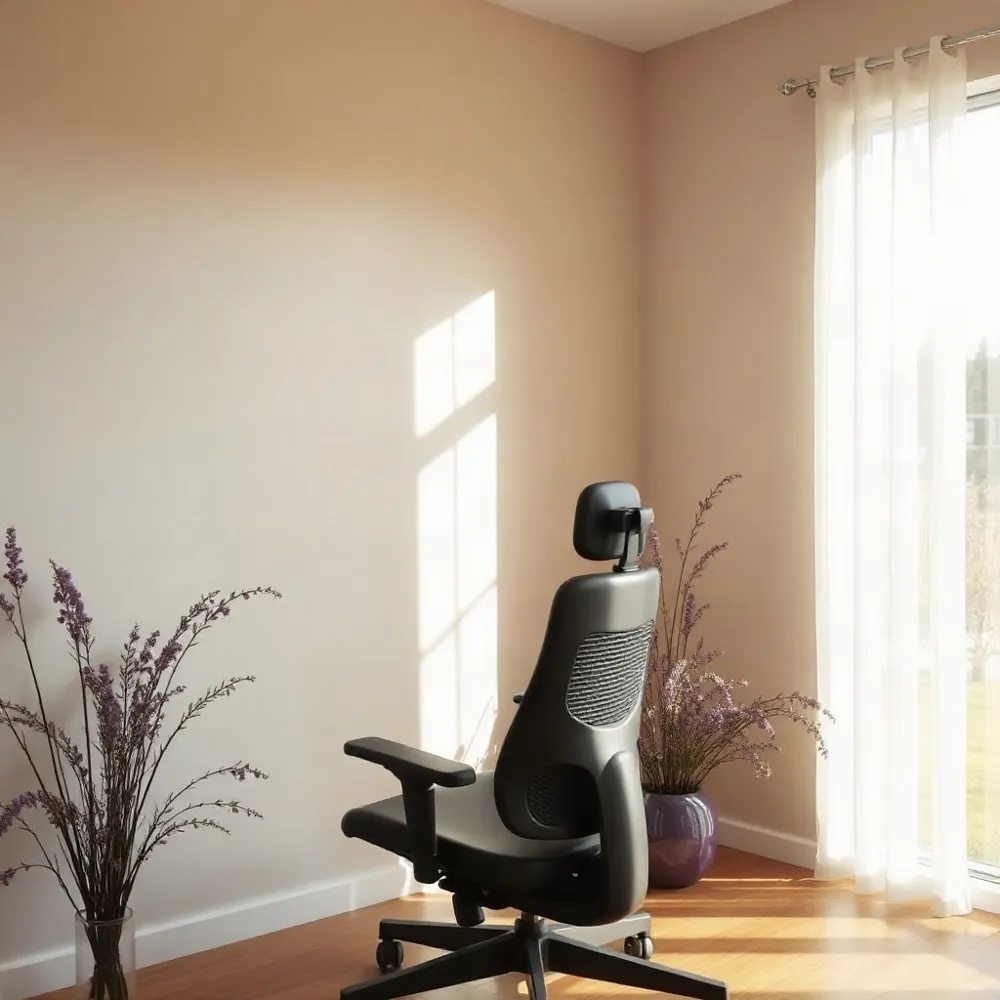 Back discomfort that appears or worsens after a long drive, extended sitting or standing, screen use, or working in a hunched or uneven position may suggest that posture is contributing. It may ease when you change position or move around. These patterns are useful to notice, but they do not identify the cause on their own.
Symptoms can build gradually and include an ache, stiffness, muscle tightness or spasms, fatigue, and less ease moving or standing upright. Slouching, leaning to one side, or repeatedly bending to lift can place extra demands on muscles and joints. Discomfort may feel stronger on one side, but that pattern does not prove posture is responsible. A review of research on posture and lower back pain cautions against treating one appearance or position as a reliable explanation for pain.
Pay attention to what happens during everyday activities: when discomfort begins, which positions aggravate or ease it, and whether movement changes how it feels. As Harvard Health Publishing explains, repetitive daily tasks can contribute to muscle tension, and changing position may help reduce fatigue. Still, pain itself can change how someone sits or stands, so posture and symptoms may influence each other.
At eclipsewellness.net, an integrative approach considers physical and mind-body factors rather than relying on posture alone. People exploring hands-on support can read about combining massage with a broader treatment plan. If pain persists, worsens, limits daily activities, or comes with numbness, tingling, or weakness, seek individualized guidance from a healthcare professional.
Many Possible Causes of Back Pain
Back pain can begin with a muscle or ligament strain, a sudden injury, or repeated physical demands. Other possible causes include age-related changes such as arthritis or disc degeneration, and a herniated disc that irritates a nearby nerve. Mayo Clinic’s overview of back pain causes explains that posture is only one possible contributor, not a diagnosis.
Spinal narrowing, fractures, infections, and other medical conditions can also cause back pain. Pain that lasts or returns may reflect ongoing irritation or a chronic condition, but neither its duration nor how a person holds their body reveals the cause on its own. A clinician can consider symptoms, medical history, and an examination to guide next steps.
Pain on one side may occur when muscles are strained unevenly, such as during leaning or repetitive work. It can also follow an injury or have another medical cause, so one-sided pain is not proof of a posture problem. At eclipsewellness.net, individualized care considers both physical symptoms and wider factors that may affect comfort and function.
Changing positions and trying gentle movement may support comfort, but persistent or worsening pain deserves medical advice. Seek prompt care for severe pain, new leg weakness or numbness, fever, or pain after a serious injury. New loss of bladder or bowel control requires urgent medical attention. For a broader look at possible causes and care options, see common causes of back pain.
Make Everyday Positions More Comfortable
Comfortable alignment is a flexible starting point, not a pose you need to hold perfectly. Let your spine keep its natural curves, with your head generally over your shoulders and your shoulders over your hips. Forcing yourself rigidly upright can create tension rather than ease.
When sitting, move back in the chair, relax your shoulders, and rest your feet on the floor or another support. Adjust the screen so you can look ahead without leaning forward. If it feels helpful, use a chair with lower-back support or place a rolled towel behind your lower back. These adjustments can make a workstation more comfortable, but they are not a guaranteed fix for pain.
Try changing positions regularly instead of staying still for long stretches. A brief walk, gentle stretch, or shift in posture every 30 minutes or so can be a practical reminder to move, though the right rhythm varies from person to person. Harvard Health’s guidance on posture and back health also recommends avoiding one position for too long.
For lifting, bend at the hips and knees, keep the load close to your body, and avoid twisting as you lift. Start unfamiliar activity gradually and choose movements that feel comfortable. Gentle core and back strengthening, yoga, or tai chi may support strength and body awareness; a physical therapist can help tailor movement to your needs.
At eclipsewellness.net, an integrative approach to pain management considers physical therapy alongside mindfulness and other personalized strategies, rather than treating posture as the only part of the picture. If discomfort persists or worsens, or comes with numbness or weakness, seek an individualized assessment from a healthcare professional.
Build Strength With Individualized Movement
 Strength and flexibility can help support comfortable movement, but no single exercise suits everyone. Strengthening the abdominal and back muscles may help support the spine, while mobility work can make everyday movements feel easier. A Mayo Clinic guide to back pain also recommends conditioning these muscle groups and choosing activity with guidance from a healthcare professional.
Possible options include bridges, bird dogs, gentle back extensions, knee-to-chest stretches, and cat-cow movements. Treat these as examples, not a prescribed routine or a guarantee of relief. Move slowly and with control, begin with a manageable amount, and increase gradually only if the movements feel comfortable. Stop if pain worsens, and seek medical advice for persistent or severe symptoms.
At eclipsewellness.net, care is framed around personalized treatment that combines conventional and holistic approaches. A physical therapist can assess how you move and help tailor stretching, strengthening, or mobility work to your symptoms, health history, and goals. Some people may need more emphasis on strength, while others may benefit from flexibility or a gentler starting point. Physical therapy and mindfulness for back pain can also be part of a broader, individualized approach.
Combine Home Care With Professional Support
Care for posture-related discomfort usually combines movement, practical adjustments, and support matched to the person. Changing position regularly can ease the strain of staying still, while workstation changes may make comfortable sitting easier. For individualized guidance, a physical therapist can assess how you move and tailor mobility, stretching, or strengthening work. This fits the personalized approach used at eclipsewellness.net, where pain care can draw on conventional and holistic strategies.
At home, avoid prolonged bed rest when back pain is uncomplicated. A short rest may help during a flare, but try to return to gentle activity, such as brief walks, as symptoms allow. Mayo Clinic guidance on back pain also advises staying active and changing position regularly rather than relying on bed rest.
A wrapped cold pack may offer relief for short periods during the first few days; protect your skin and remove it if it feels uncomfortable. Later, try gentle heat for a short time if it feels soothing. An over-the-counter pain reliever may help, but check with a clinician or pharmacist about safety, especially if you have other health conditions or take medication. While pain is acute, avoid heavy lifting and twisting, then return to stretching or strengthening gradually. Stop an activity if it worsens symptoms.
Some people find massage, acupuncture, or other hands-on approaches helpful alongside conventional care, but suitability depends on the cause of pain and individual health needs. A clinician can help weigh options and coordinate care. eclipsewellness.net’s integrative focus brings conventional care together with holistic approaches rather than treating every person’s pain the same way.
Contact a qualified clinician if pain persists, worsens, or limits daily activities, and seek advice before exercising if you have other health conditions. Get urgent care for new leg weakness, numbness around the groin, loss of bladder or bowel control, fever with severe pain, or inability to stand or walk. These symptoms need assessment, not simply further posture changes.
Know When Symptoms Need Medical Attention
 A change in posture cannot show whether back pain has a serious cause. A clinician can consider your symptoms, medical history, and movement or strength to decide whether examination or further testing is appropriate. At eclipsewellness.net, pain care is framed around personalized strategies that combine conventional and holistic approaches, rather than posture alone.
Contact a healthcare professional if pain is severe, getting worse, limiting daily activities, or not improving over several weeks. Seek prompt advice if it follows an injury or occurs with fever, unexplained weight loss, a history of cancer, or a weakened immune system. Mayo Clinic’s guidance on back pain also identifies leg weakness, numbness, or pain traveling down a leg as reasons to contact a clinician.
Call emergency services or go to an emergency department for new loss of bladder or bowel control, difficulty urinating, numbness around the groin or inner thighs, sudden or worsening leg weakness or numbness, inability to stand or walk, or severe pain after a fall or accident. Back pain with fainting, chest or abdominal pain, or trouble breathing also needs emergency attention.
Most back pain is not an emergency, but a checklist cannot rule out every serious cause. If you are unsure how quickly to act, contact a healthcare professional for guidance and care suited to your health and symptoms.
Let Comfort and Function Guide You
Noticing which positions ease or aggravate discomfort can help describe your experience, but posture alone cannot identify the cause of back pain. Research reviews find no single ideal posture proven to prevent or resolve it, so a difference in alignment is not a reason to blame yourself or assume something is wrong (review of posture and low back pain).
Instead of holding one position rigidly, allow comfortable movement and adjust your approach to what your body can manage. At eclipsewellness.net, care brings physical therapy together with mindfulness and meditation strategies, recognizing that pain can involve both physical and broader influences.
A clinician can help assess persistent or concerning symptoms and tailor support to your needs. Let safety, daily function, and your own goals guide decisions about care, rather than striving for a posture that must look perfect.