
Redefining Primary Care in a Digital Age
Many patients know the frustration of waiting weeks for an appointment, spending most of the visit with a physician who is reviewing their chart for the first time, and leaving with more questions than answers. This experience is what effective concierge medicine seeks to replace.
Telehealth is not a standalone product in this setting — it is one tool within a broader model of continuous, personalized care. In standard telehealth apps, the encounter is often transactional: a patient has an acute issue and connects with any available doctor who helps resolve it, then the relationship ends. The concierge medicine approach treats every virtual visit as part of an ongoing partnership.
This article explains how telehealth operates inside a concierge primary care practice, where secure video calls, remote monitoring data, and direct messaging extend the reach of a physician who already knows each patient’s history and risk factors. The shift from episodic transactions to longitudinal relationships changes what patients can expect from their healthcare.
What Is Concierge Medicine?
Concierge medicine is a healthcare model built on a direct retainer or membership fee. In exchange, patients receive enhanced access and highly personalized care from a physician who deliberately limits their patient panel. This structure allows for longer appointments, same-day visits, and direct communication with the doctor, creating a stark contrast with the traditional volume-based model where providers often see 2,000 to 2,500 patients.
The core aim is relational and longitudinal care. Rather than treating isolated episodes of illness, the same physician tracks a patient's health history over time, identifying trends and addressing concerns before they escalate. This proactive focus shifts attention from reactive treatment to holistic wellness management.
EclipseWellness exemplifies this approach by combining the convenience of telehealth with continuous provider relationships. Members benefit from a dedicated physician who understands their complete health picture — ensuring every virtual visit builds on prior conversations rather than starting from scratch.
Direct Primary Care vs. Concierge
Direct Primary Care (DPC) is a model where patients pay a simple, flat monthly fee — typically around $100 — directly to the physician. This membership covers primary care services like office visits, chronic disease management, and preventive care without any insurance billing or copays.
Pricing Structure. DPC charges a predictable monthly subscription (often $50–$150), while concierge medicine requires a higher annual retainer, usually between $2,000 and over $5,000 per year.
Insurance Involvement. DPC operates completely outside of insurance for primary care services, cutting out administrative overhead. Concierge practices use a hybrid approach: the membership fee covers enhanced access and amenities, while labs, imaging, and specialist visits are billed through standard health insurance.
Panel Size. Concierge physicians often limit their panels to 100–600 patients for highly individualized attention. DPC providers typically manage around 600–800 patients, still far fewer than the 2,000–2,500 seen in traditional practices.
Both models share core priorities: membership-based payment replaces fee-for-service billing, patient panel sizes are capped to allow longer visits and stronger relationships, and same-day or next-day access is standard. Each emphasizes personalized, patient-centered care that treats the whole person rather than a single symptom.
eclipsewellness.net blends these strengths into an integrative approach. The seven pillars of holistic health — movement, nutrition, sleep, stress management, and others — form the foundation of a comprehensive care plan where your physician knows your full history and helps you track long-term wellness goals proactively.
How Telehealth Powers Personalized, Ongoing Care
Telehealth in a concierge model goes far beyond the transactional video call found in standard apps. It is a core delivery mode integrated into the ongoing physician-patient relationship, using video, phone, and secure messaging. When you connect with a doctor who already knows your history, each virtual visit builds on the last one rather than starting from scratch.
Secure virtual visits are used for managing chronic conditions, reviewing lab results, adjusting treatment plans, and addressing acute concerns. The same physician who sees you in the office is available through your phone or computer, preserving familiarity and trust across every interaction.
This model is especially valuable for patients with busy schedules, mobility limitations, or those who split their time between locations. Telehealth ensures that care continues without interruption when travel or work gets in the way. At eclipsewellness.net, virtual visits are woven into personalized care plans so that members can stay connected to their provider no matter where life takes them.
Breaking Down How It Works
Benefits and Flexibility of Virtual Visits
Telehealth within a concierge model offers three primary benefits that address the most common frustrations with modern healthcare: convenience, access, and continuity.
Convenience and Accessibility
Virtual visits allow patients to consult with their dedicated physician from home or while traveling, saving travel time and enabling flexible scheduling options, including evenings. A concierge practice like eclipsewellness.net integrates this flexibility directly into its care model, ensuring that personalized attention doesn't require a trip to the office.
Improved Access and Continuity
Concierge telemedicine overcomes common barriers such as geographic distance, busy schedules, and fragmented treatment. For patients in rural areas, those with mobility issues, or those seeking a specialist outside their region, virtual visits provide improved access to high-quality care. This model ensures that every follow-up builds on the last, supporting better management of chronic conditions through consistent physician-led oversight.
Efficiency Without Sacrificing Quality
By integrating secure video calls, messaging, and remote monitoring tools into the routine care plan, concierge telehealth eliminates delays between appointments. Patients receive timely responses to acute concerns and proactive check-ins for ongoing wellness goals. A review of concierge medicine literature confirms that combining a subscription-based model with telehealth enhances access and patient satisfaction by offering more convenient connections to a provider who already knows your health history.
Technology and Proactive Wellness Monitoring
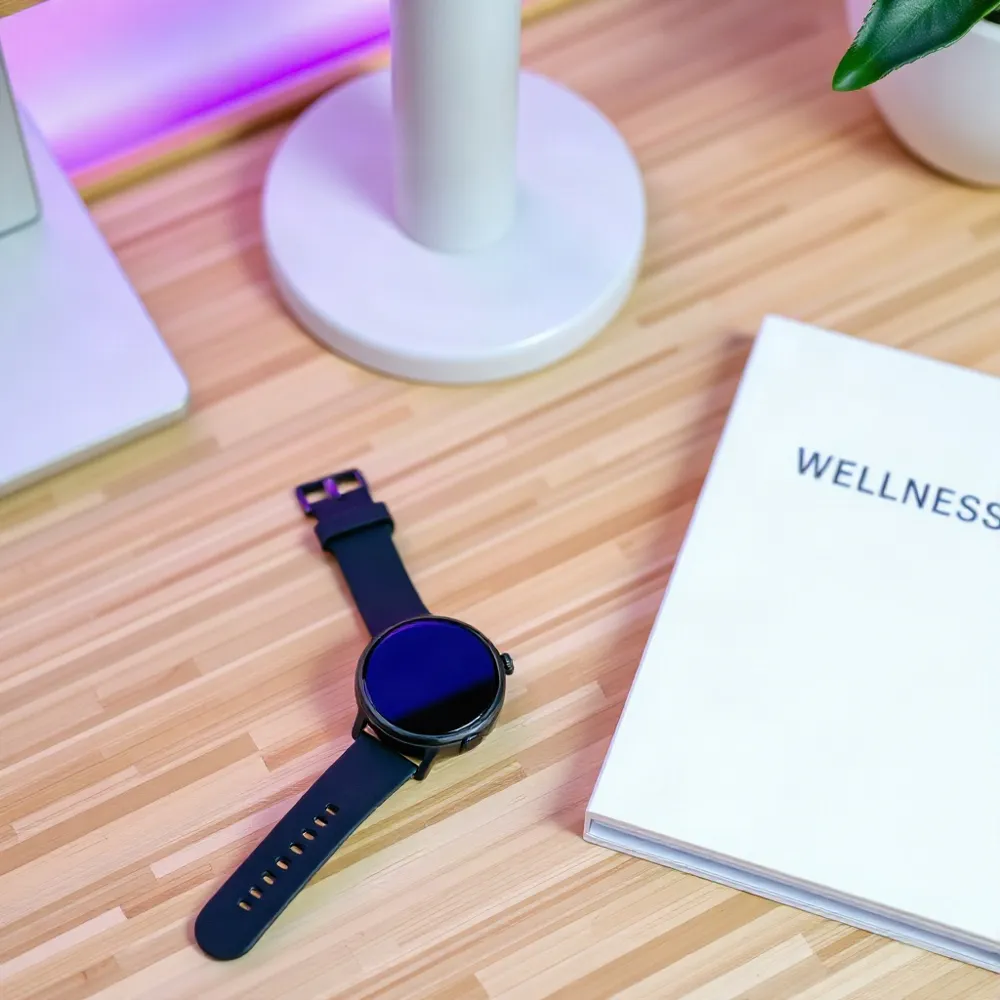 Standard healthcare often responds after a problem appears. A patient waits for symptoms, schedules an appointment, and receives treatment. Concierge medicine flips this sequence by using technology to catch warning signs early.
Wearable health monitors, smart blood pressure cuffs, scales, and secure digital tools allow patients to track progress and share real-time updates with their physician. The data flows directly into the patient's ongoing record, where the doctor who knows their history can spot subtle changes.
This continuous stream of information enables early detection that would be impossible during a once-a-year physical. A slow rise in resting blood pressure or a gradual shift in daily step count may not trigger alarm for the patient, but a physician who has tracked those numbers over months recognizes the pattern as a potential issue before it becomes a crisis.
The same connected approach applies at eclipsewellness.net, where health monitoring tools integrate with personalized care plans. Patients share metrics from home and receive proactive guidance rather than waiting for symptoms to force a visit.
By contrast, urgent care clinics respond to problems already in progress. Concierge telemedicine supported by wearables represents a fundamentally different model: one that is proactive and ongoing rather than reactive and episodic.
Costs, Insurance, and the Membership Fee

Weighing the Pros, Cons, and Ethical Considerations

Navigating Regulations and the 7-Day Rule
A New Standard for Personalized, Connected Care
This is the new standard for healthcare — a partnership where technology serves the human connection rather than replacing it.