Introduction
GLP‑1 receptor agonists, originally developed for type 2 diabetes, are now cornerstone medicines for chronic weight management. They work by mimicking the gut hormone GLP‑1, slowing gastric emptying, enhancing satiety, and modestly improving glycemic control. Because therapeutic response and tolerability vary widely, clinicians personalize the starting dose and titration schedule—often beginning with a low weekly or daily dose and gradually increasing to the target maintenance dose—based on a patient’s BMI, comorbidities, and side‑effect profile. An integrative approach blends this pharmacologic precision with nutrition counseling, behavioral coaching, and mind‑body practices such as stress‑reduction and adequate sleep. By aligning medication dosing with lifestyle support, patients receive a patient‑centered plan that maximizes weight‑loss efficacy while minimizing gastrointestinal upset and fostering sustainable health‑.
Understanding GLP‑1 Dosing Basics
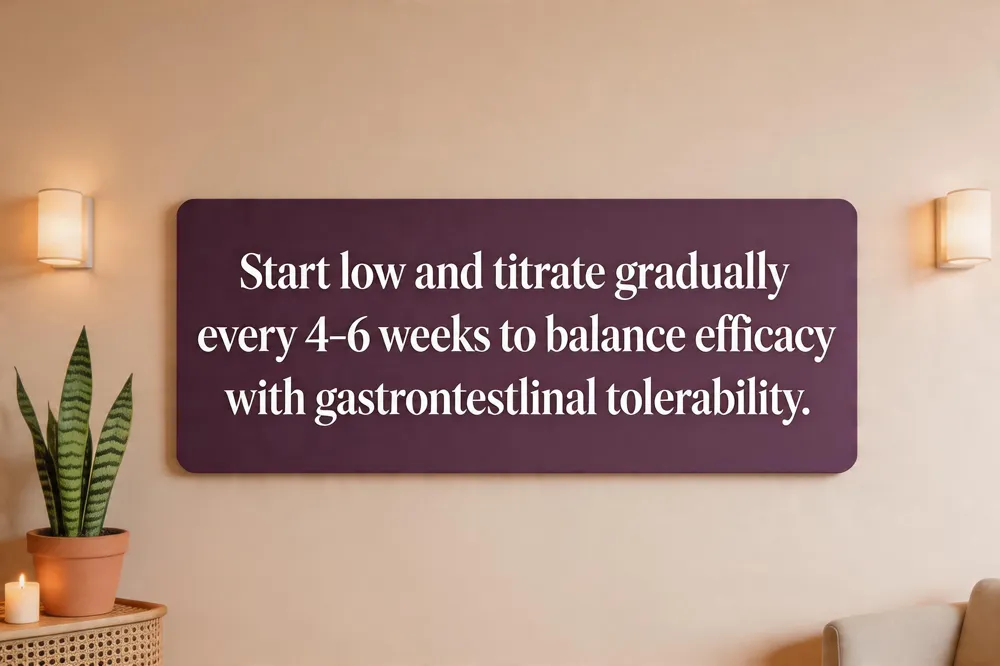 GLP‑1 receptor agonists are begun at a low, sub‑therapeutic dose and titrated upward every 4–6 weeks to improve gastrointestinal tolerability while reaching the glycemic or weight‑loss target. For daily agents such as liraglutide (Victoza) the schedule is 0.6 mg daily for at least one week, then 1.2 mg daily, with an optional increase to 1.8 mg daily after another week if additional control is needed. The weight‑loss formulation Saxenda follows the same start but escalates to a maintenance of 3.0 mg daily by week 5. Weekly agents such as semaglutide (Ozempic for diabetes, Wegovy for obesity) begin at 0.25 mg once weekly; the dose is raised to 0.5 mg at week 5, then to 1.0 mg after a further four weeks, and, if required, to 2.0 mg (Ozempic) or 2.4 mg (Wegovy) by week 13‑17. Tirzepatide (Zepbound/Mounjaro) starts at 2.5 mg weekly and is increased by 2.5 mg every four weeks (5 mg, 7.5 mg, 10 mg, 12.5 mg, up to 15 mg) based on tolerance and response. These step‑wise titrations are designed to minimize nausea, vomiting, and constipation while allowing the drug to accumulate to effective levels. Clinicians personalize the final maintenance dose according to each patient’s weight‑loss goal, glycemic needs, and side‑effect profile, integrating nutrition counseling, behavioral support, and regular monitoring to ensure safe, sustainable outcomes.
Calculation Tools: From Milligrams to Units
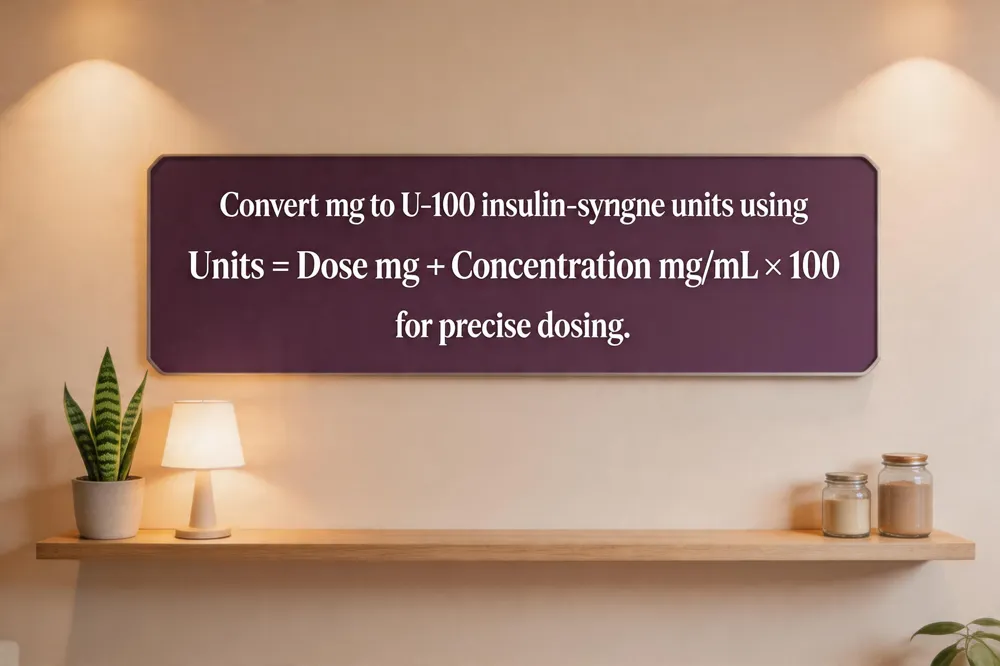 Choosing the right dose of a GLP‑1 agonist can feel overwhelming, but a simple calculator can turn milligrams into the exact units or milliliters you need on a U‑100 insulin syringe. The core formula is Units = Dose mg ÷ Concentration mg/mL × 100; for volume, divide the prescribed milligrams by the vial’s concentration (mg/mL). Most compounded semaglutide or tirzepatide vials come in 2.5 mg/mL or 5 mg/mL strengths, so a 0.5 mg dose from a 2.5 mg/mL vial equals 20 units (0.20 mL) and from a 5 mg/mL vial equals 10 units (0.10 mL). Pre‑filled pens (e.g., Wegovy®, Ozempic®, Zepbound®, Mounjaro®) already deliver fixed doses; they do not require any conversion—just select the appropriate pen and follow the titration schedule.
GLP‑1 dosing calculator – Enter the prescribed mg and vial concentration; the tool returns units and mL, matching weekly escalation plans (0.25 mg → 0.5 mg → 1 mg → 1.7 mg → 2.4 mg for semaglutide, 2.5 mg → 5 mg → up to 15 mg for tirzepatide. Double‑check the vial label and confirm with your clinician before injecting.
Dosing chart (mL) – For a 2.5 mg/mL vial: 0.25 mg = 0.10 mL, 0.5 mg = 0.20 mL, 1 mg = 0.40 mL, 1.7 mg = 0.68 mL, 2.4 mg = 0.96 mL. For a 5 mg/mL vial, halve each volume.
Dosing chart (units) – Using the same formula, a 0.5 mg dose from a 2.5 mg/mL vial is 20 U, 1 mg is 40 U, 1.7 mg is 68 U, and 2.4 mg is 96 U. Adjust according to the vial’s concentration.
Weekly drops – GLP‑1 injections are designed for once‑weekly dosing, not daily drops. Starting at 0.25 mg weekly, the dose is increased every 4–5 weeks as tolerated, up to the therapeutic target (often 2.4 mg weekly for weight loss). Daily administration would exceed safe limits and increase side‑effects. Always follow your provider’s titration plan and discuss any concerns promptly.
When and How to Adjust Dose for Weight‑Loss Progress
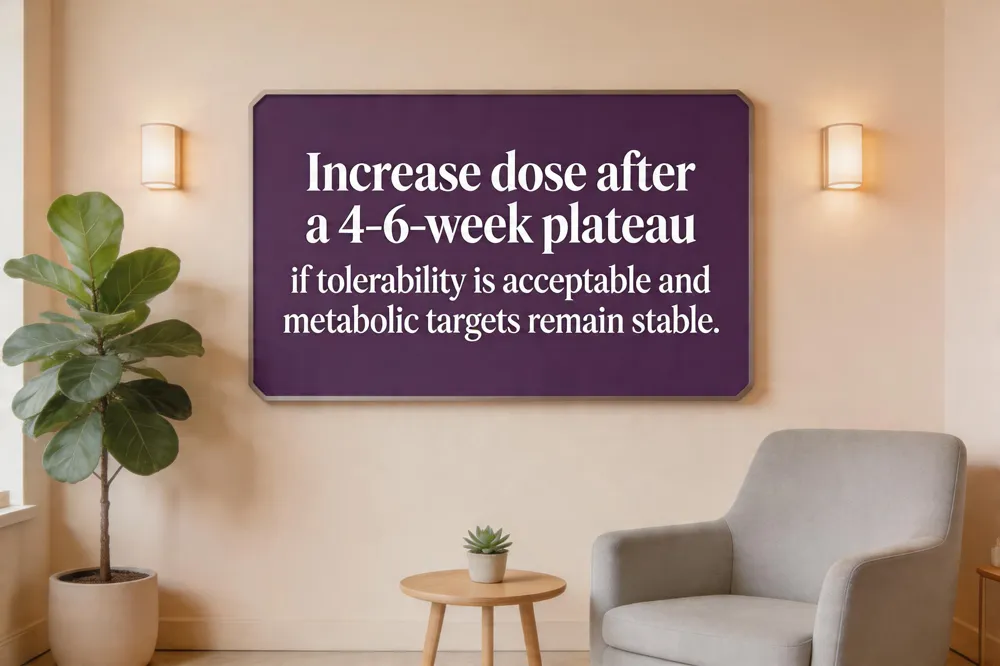 Weight‑loss plateaus, tolerability checkpoints, and clinical monitoring are the three pillars that guide dose adjustments of GLP‑1 receptor agonists. When to increase GLP‑1 dose for weight loss – If a patient’s weight has stalled for 4–6 weeks despite adherence to a calorie‑controlled diet and regular activity, the clinician reviews tolerability (no persistent nausea, vomiting, or diarrhea) and ensures stable glycemic control (for diabetics) and normal renal and liver labs. When these criteria are met, the dose is titrated upward to the next approved level (e.g., semaglutide 0.5 mg → 1 mg weekly) and follow‑up is scheduled every 2–4 weeks to track appetite, weight, and side effects.
GLP‑1 maintenance dose after weight loss – After the target weight is reached, most providers recommend continuing a maintenance dose rather than stopping abruptly, as cessation often triggers rebound hunger and weight regain. The maintenance dose is individualized—some patients step down (e.g., semaglutide 2.4 mg → 1 mg) or extend the interval—while maintaining the lowest dose that keeps appetite suppressed and weight stable. Ongoing lifestyle habits and regular check‑ins are essential.
Highest GLP‑1 dose used for weight loss – Clinical trials have explored semaglutide up to 7.2 mg weekly (STEP UP), three times the FDA‑approved ceiling of 2.4 mg weekly (Wegovy). Other approved maxima are 3 mg daily for liraglutide (Saxenda) and 2.4 mg weekly for semaglutide. The 7.2 mg dose remains experimental, but it demonstrates the upper experimental range for weight‑loss efficacy.
GLP‑1 side effects after stopping therapy – Discontinuation removes the appetite‑suppressing effect, often causing rapid hunger, potential over‑eating, and weight regain. Diabetic patients may see a rise in fasting glucose. Gastro‑intestinal symptoms typically resolve, though a brief period of lingering upset can occur, especially if dietary habits change abruptly. Close monitoring of weight, cravings, and blood‑glucose is advised during the transition.
Integrating GLP‑1 Therapy in Personalized Weight‑Loss Programs
 Introduction
GLP‑1 receptor agonists have become a cornerstone of modern obesity care, offering powerful appetite‑control while supporting blood‑glucose health. When woven into a patient‑centered program that blends medical oversight, holistic lifestyle coaching, and flexible delivery models, these agents help individuals achieve sustainable weight loss with less gastrointestinal discomfort.
Best personalized weight‑loss treatments
Personalized treatment begins with a comprehensive assessment by a board‑certified physician and a registered dietitian. Together they craft a calorie‑controlled plan that fits your food preferences, schedule, and health goals. Options range from whole‑food meal plans to meal‑replacement protocols, and when appropriate, FDA‑approved GLP‑1 injections. Virtual obesity clinics (e.g., FormHealth, 9amHealth, knownwell) provide telehealth access to specialists, cognitive‑behavioral therapy, grocery lists, and at‑home lab testing, all coordinated with your primary‑care team. Integrative approaches also address stress, sleep, and movement to support mind‑body harmony.
What is a medically supervised weight‑loss program?
A medically supervised program is a team‑based plan prescribed and monitored by qualified clinicians—physicians, NPs, dietitians, and health psychologists. After a thorough medical evaluation, the regimen may include calorie‑controlled meals, prescription GLP‑1 agents, and behavioral counseling, with regular follow‑ups to adjust therapy, monitor safety, and reinforce sustainable habits.
Telemedicine weight‑loss prescription options
Telemedicine platforms now allow you to obtain FDA‑approved GLP‑1 prescriptions after an online health assessment and a virtual visit with a licensed clinician. Services such as Teladoc Health, Hers, and WeightWatchers Med+ offer home‑delivery medication, smart‑scale tracking, and ongoing lifestyle coaching, often covered by insurance or employer benefits.
Cost of GLP‑1 medications
GLP‑1 drugs vary widely, typically $200‑$1,350 per month. Insurance more often covers diabetes indications; weight‑loss coverage depends on plan criteria. Manufacturer discount cards, pharmacy coupons, and patient‑assistance programs can lower out‑of‑pocket costs, sometimes to $199 for a few months.
Cost of personalized weight‑loss treatments
Programs combine medical visits, labs, and medication. Out‑of‑pocket expenses range from a few hundred dollars for a basic membership to $400‑$600 per month when GLP‑1 therapy is included. Many insurers provide partial coverage, reducing visit costs to under $50.
Free diet‑plan PDFs
Free, professionally crafted PDFs are available from Mount Sinai, the American Heart Association (DASH), and the UK Nutrition Foundation. These resources offer balanced, evidence‑based meal ideas that can be personalized with your care team.
Free 30‑day weight‑loss meal plan (PDF)
Mount Sinai offers a downloadable 30‑day weight‑loss meal plan PDF (https://www.mountsinai.org/files/MSHealth/Assets/HS/MonthlyMealPlan_Brochure_Rev24.pdf) featuring daily meals, snacks, activity suggestions, and a wellness tracker. Consult your provider before initiating any new regimen.
Safety Considerations Across Life Stages
 GLP‑1 receptor agonists are generally well‑tolerated, but safety must be evaluated for each life stage. Pregnancy and reproductive health: Because animal data and limited human studies suggest possible fetal risk, guidelines recommend stopping GLP‑1 therapy at least two months before conception. If pregnancy occurs while on a GLP‑1, clinicians should discuss the modest maternal benefits of continued exposure against the lack of safety data for the second and third trimesters and switch to pregnancy‑safe weight‑management strategies. Close monitoring for excess weight gain, gestational diabetes, hypertension, and pre‑term labor is essential after discontinuation. Gender‑specific adverse events: Men and women share the classic gastrointestinal side‑effects (nausea, vomiting, diarrhea, constipation, bloating) and injection‑site reactions. Women may experience menstrual‑cycle changes or reductions in androgen levels, which can aid conditions such as PCOS but warrant monitoring during family‑planning. Both sexes can develop rare but serious events—gallbladder disease, pancreatitis, acute kidney injury, and, rarely, thyroid C‑cell tumors. Rapid weight loss may also cause facial skin laxity (“Ozempic face”) in both genders. Long‑term risk monitoring: Prolonged GLP‑1 use has not shown a clear increase in overall cancer rates, though pancreatic and thyroid warnings remain. Clinicians should periodically assess for gallbladder disease, renal function, and any persistent gastrointestinal symptoms, adjusting therapy as needed while emphasizing lifestyle support to sustain weight loss safely.
Advanced Dosing Strategies and Emerging Therapies
 GLP‑1 therapy is increasingly personalized through three emerging approaches.
Micro‑dosing approaches – Some clinicians start at sub‑therapeutic doses (e.g., 0.05–0.1 mg weekly) and increase more slowly than the standard 0.25 mg → 0.5 mg schedule. This prolonged titration reduces nausea and constipation, allowing patients to stay on therapy longer and achieve steady weight loss.
High‑dose semaglutide trials – Recent STEP‑UP data show a 7.2 mg weekly dose (Wegovy HD) can produce >20 % body‑weight reduction, albeit with higher dysaesthesia rates. The trial underscores that a higher dose may be useful for patients who tolerate lower doses well and need additional appetite suppression.
Oral GLP‑1 formulations – Oral semaglutide (Rybelsus) and investigational agents such as forglipron offer a non‑injectable option, with titration starting at 1.5 mg daily for 30 days before escalation. Oral dosing expands access for those a needle‑phobia and aligns with holistic care that respects patient preferences.
Post‑therapy side effects – When the medication is stopped, appetite‑suppressing effects wane, often prompting increased hunger, potential weight regain, and, in diabetics, higher fasting glucose. GI symptoms usually resolve, but some may experience lingering discomfort if dietary habits change abruptly.
Practical tools – A GLP‑1 dosing calculator converts a prescribed milligram dose into U‑100 insulin‑syringe units (Units = Dose mg ÷ Concentration mg/mL × 100) for compounded vials; pre‑filled pens do not require conversion. The accompanying dosing chart translates mg to units (e.g., 0.5 mg = 20 U with a 2.5 mg/mL vial) and to milliliters (0.5 mg = 0.20 mL).
Drop formulation note – GLP‑1 “drops” are meant for once‑weekly dosing; daily use exceeds the recommended weekly total and increases side‑effect risk. Patients should follow the clinician‑prescribed titration schedule and never exceed the maximum weekly dose.
Key Takeaways for Clinicians and Patients
 Practical checklist for GLP‑1 therapy: start with low subcutaneous dose (0.25 mg weekly for semaglutide, 0.6 mg daily for liraglutide), titrate every 4‑6 weeks to improve tolerability, rotate injection sites, and pair with nutrition counseling and behavioral support. Monitoring and follow‑up: assess weight, glycemic metrics, renal function, and GI side effects every 4‑6 weeks; adjust concomitant diabetes meds; watch for rare events (pancreatitis, thyroid C‑cell tumors). Future developments: oral GLP‑1 agents (Rybelsus, upcoming high‑dose oral semaglutide), extended‑release formulations, and combination GLP‑1/GIP agonists (tirzepatide) promise greater efficacy and convenience, while tele‑health programs expand access to personalized, integrative weight‑management care especially for individuals with comorbidities.
Conclusion
Individualized GLP‑1 dosing is essential because each patient’s metabolism, weight‑loss goals, and tolerance differ. Starting low and titrating slowly reduces nausea while reaching therapeutic effect. When the dose is matched to personal needs, clinicians can blend the medication with nutrition counseling, stress‑management, and movement plans that honor the mind‑body connection. This integrative approach maximizes results, supports long‑term adherence, and respects the whole person. If you are considering GLP‑1 therapy, schedule a comprehensive assessment with a qualified provider who can tailor the regimen, monitor safety, and coordinate holistic support for lasting health. Together, these steps foster lasting wellness now.