
A Safer Starting Point
Trying to withdraw from alcohol or other substances alone at home is not the same as professional outpatient detox. Outpatient care involves scheduled contact with clinicians for assessment and support, while a person returns home between visits. A person who is simply staying home without clinical care does not have that monitoring.
The information available here cannot establish that home detox is safe or suitable for any particular person. The right setting depends on individual health needs and circumstances, so a qualified healthcare professional should help assess options before withdrawal begins.
As a holistic provider, eclipsewellness.net emphasizes personalized care that considers physical and mental health together. A useful plan also accounts for a person’s preferences, home environment, daily responsibilities, and access to practical support. Asking for help is a reasonable first step, not a failure.
People looking for local treatment referrals can contact SAMHSA’s National Helpline, which provides free, confidential information and referrals. It does not provide counseling or decide which detox setting is medically appropriate.
What Supervised Detox Can Involve
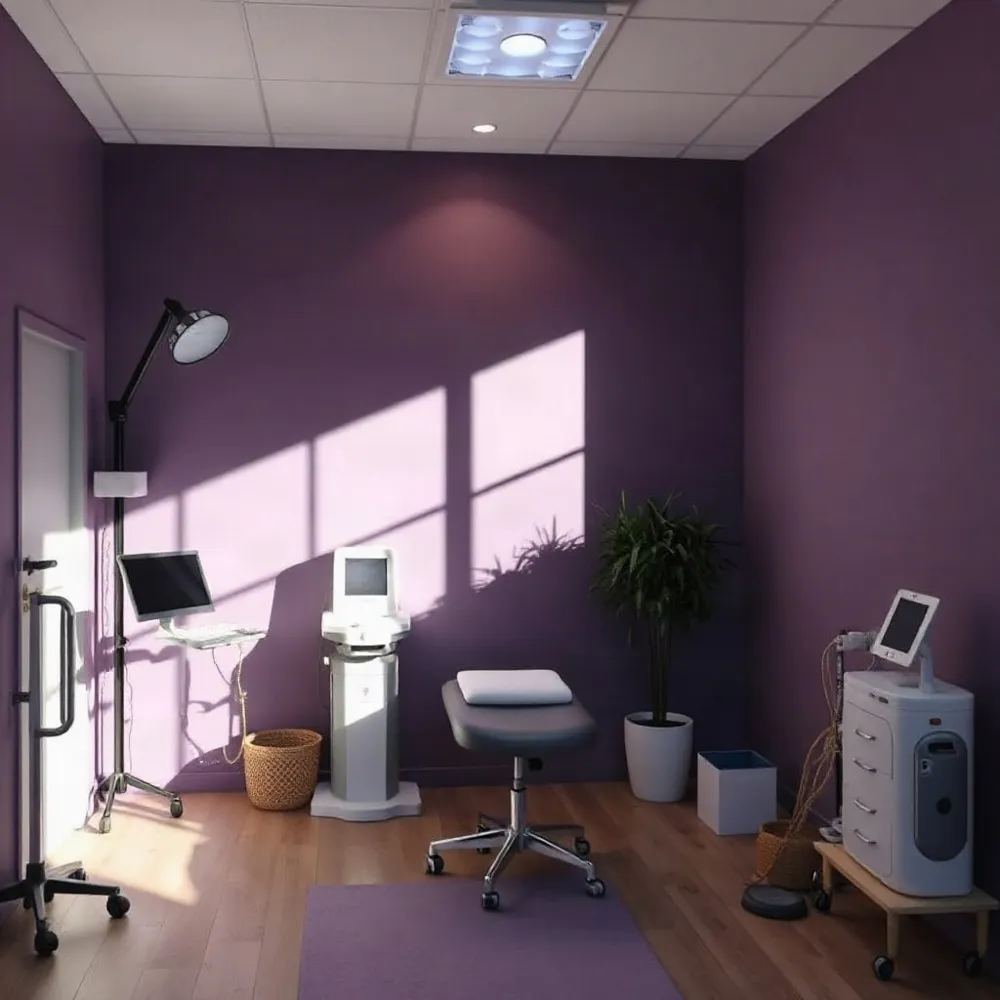 Medically supervised detox is professional care focused on managing withdrawal and helping a person stabilize. It may involve clinical assessment, follow-up, and symptom management, including medication when a qualified clinician considers it appropriate. The plan should reflect the person’s health, substance use, symptoms, and circumstances, rather than follow a fixed protocol.
For outpatient alcohol detox, a 1998 review of alcohol detoxification describes an initial assessment at a hospital or treatment facility, followed by scheduled visits that were generally daily except weekends. This is professional care delivered through a treatment setting, not withdrawal managed alone at home. The review discusses monitoring and medication for alcohol withdrawal, but its findings are historical, alcohol-specific, and not individualized medical guidance.
Visits, monitoring, and treatment can differ according to clinical needs. A qualified healthcare professional should assess whether outpatient care is suitable and explain what support is available, including what to do if symptoms change. Do not assume that a schedule or medication approach described in older research applies to a particular person or to withdrawal from other substances.
Detox addresses the immediate process of withdrawal and stabilization; it does not by itself provide longer-term treatment or recovery support. The review recommends linking detox with rehabilitation and attention to broader needs. At eclipsewellness.net, care is framed around personalized health and wellness, including mental health support, rather than treating withdrawal as the only part of a person’s recovery.
Withdrawal Risks Depend on the Person
 Withdrawal does not follow one pattern for everyone. The substance involved, a person’s health and history, and other circumstances all matter, so symptoms reported for one drug should not be applied to another.
A clinical review focused specifically on alcohol describes symptoms ranging from tremor and insomnia to serious complications, including seizures and delirium. The review identifies potentially life-threatening complications and medically complicated withdrawal as reasons outpatient detox may be unsuitable, but it does not offer a complete checklist for judging an individual’s risk. Its findings should not be generalized to other substances or treated as personal medical guidance. Read the alcohol-specific review.
There is no single timeline for anxiety during detox in the sources reviewed here. Withdrawal symptoms and care needs vary, and a general estimate cannot predict how anxiety will develop for one person. If anxiety occurs while stopping or changing substance use, contact a qualified healthcare professional for advice based on the substance, health history, and circumstances.
An assessment can help determine whether outpatient care is appropriate or a higher level of support is needed. At eclipsewellness.net, care is described as personalized and integrative, considering mental and physical health rather than treating withdrawal as an isolated experience. A referral line can help locate services, but cannot make a clinical assessment: SAMHSA’s National Helpline provides free, confidential treatment referrals and information, not counseling or emergency care.
Matching Care to Individual Needs
Inpatient and outpatient detox are different care settings, not competing choices with one universally best answer. A qualified healthcare professional can assess a person’s health, withdrawal concerns, and circumstances before recommending a setting. Professional outpatient detox involves scheduled clinical care; it is not the same as managing withdrawal alone at home.
A 1998 review focused on alcohol withdrawal reported that outpatient detoxification may be suitable for selected people with mild-to-moderate symptoms. It also identified severe or medically complicated withdrawal, serious related health conditions, and other circumstances as reasons outpatient care may not be appropriate. These findings are specific to alcohol and are not a current assessment of any individual. The review of inpatient and outpatient alcohol detoxification does not establish that either setting is right for everyone.
Practical demands matter too. The review describes outpatient care as involving scheduled visits, so reliable transportation may be needed. It also notes that missed appointments can interfere with completing care. These points belong in a broader clinical discussion, rather than serving as a stand-alone test of who qualifies.
The review found no demonstrated general superiority for long-term outcomes between inpatient and outpatient settings in the studies it discussed. Because the evidence is older and limited to alcohol detoxification, it should not be generalized to other substances or treated as individualized medical guidance.
Stopping or changing substance use without professional assessment and monitoring is not shown by these sources to be safe. Contact a qualified healthcare professional before making that decision. For help locating local treatment, the SAMHSA National Helpline offers free, confidential information and referrals; it does not provide counseling or determine whether home detox is medically appropriate. At eclipsewellness.net, detox care is part of a personalized, integrative approach, making an individual assessment central to planning.
Alcohol Detox Needs Its Own Assessment
Alcohol withdrawal calls for its own clinical assessment. Evidence about alcohol detox should not be assumed to apply to withdrawal from other substances, and no article can determine the right setting for an individual.
A review focused on alcohol detox describes outpatient care as visits to a hospital or treatment facility, usually with an initial assessment and scheduled follow-ups. Inpatient care means admission to a facility for the treatment period, where professional supervision is continuous. These are distinct from attempting to detox at home without medical care. Read more about how inpatient and outpatient detox differ.
The review reports that outpatient detoxification can be effective for some people with mild-to-moderate alcohol withdrawal when clinicians judge the setting appropriate. It also identifies severe or medically complicated withdrawal and serious associated conditions, including cirrhosis, pancreatitis, and gastrointestinal bleeding, as reasons outpatient care may not be suitable. This is not a complete screening checklist, and these examples should not be used to self-assess.
The review was published in 1998, so its findings are historical and specific to alcohol. They are not current, personalized medical guidance. The available sources also do not verify a standardized scale, a universal check-in schedule, or another fixed protocol for outpatient alcohol detox. A qualified healthcare professional should assess medical and mental health needs, circumstances, and support before recommending a level of care.
Care planning should account for the whole person, including co-occurring health concerns and the support available at home. At eclipsewellness.net, treatment is framed around personalized, integrative health and wellness care, rather than assuming the same approach fits everyone.
Avoid Treating Detox as the Whole Plan
 Detoxification focuses on managing withdrawal and helping a person stabilize. It does not, by itself, address all the emotional, behavioral, physical, and social factors that may shape recovery. A 1998 review of alcohol detoxification recommends linking withdrawal care with rehabilitation-related support early, while noting that its findings concern alcohol and should not be generalized to every substance. The review describes detox as preparation for longer-term care, not a substitute for it.
Planning beyond withdrawal can include attention to mental and physical health, family relationships, and practical circumstances. At eclipsewellness.net, care is described as personalized and integrative, combining conventional medical support with attention to mental health and overall wellness. The appropriate next step depends on the person’s needs, preferences, and goals, rather than a single pathway being right for everyone.
Avoid assuming that detox alone completes recovery, or that general information can tell you how to stop or change substance use safely. Do not treat supervised outpatient care as equivalent to managing withdrawal without professional support. Ask a qualified healthcare professional for guidance, including what ongoing treatment or recovery support may fit your situation.
Possible next steps may include counseling, other treatment services, or peer and community support, depending on individual circumstances. If you are unsure where to begin, the SAMHSA National Helpline offers free, confidential treatment referrals and information. It can connect people with local resources, but it does not provide counseling or determine which care setting is medically appropriate.
Finding Local Treatment and Referral Support
Finding a nearby service can feel like a difficult first step, especially when someone is unsure what kind of care they need. A referral resource can help locate options, while a qualified healthcare professional can assess whether outpatient or another level of care is appropriate.
SAMHSA’s National Helpline is a free, confidential information and treatment-referral service available 24 hours a day, every day of the year. Call 1-800-662-HELP (4357); TTY users can call 1-800-487-4889. Phone support is available in English and Spanish. The helpline can connect people and families facing mental health or substance use concerns with local treatment facilities, support groups, community organizations, state services, and intake centers, but it does not provide counseling or detox care. SAMHSA’s National Helpline can help identify local resources to discuss with a care provider.
People can also search for services through FindTreatment.gov or text a five-digit ZIP code to 435748 using HELP4U. The text service is currently available only in English, and message and data rates may apply. These tools offer ways to find nearby support, but they cannot determine which treatment setting is medically suitable for an individual.
The referral service is free, and callers do not need health insurance to use it. People who are uninsured or underinsured may be referred to state-funded programs or facilities with sliding-fee scales. Those with insurance can ask their insurer which providers and facilities participate. SAMHSA says the service is confidential and does not ask for personal information, though staff may request a ZIP code or other geographic details to identify appropriate local resources.
Once options are identified, a clinician can help weigh medical needs alongside practical concerns such as transportation, home support, and access to ongoing care. At eclipsewellness.net, detox planning is part of personalized wellness care, with attention to both physical health and mental well-being. Readers can also explore local treatment and referral support as they consider next steps.
Costs and Access Are Part of Planning
Cost can shape which services feel within reach, but price alone cannot determine the safest level of care. The available sources do not provide a universal price comparison for professional outpatient detox or a formula for estimating what an individual will pay.
A historical review focused on alcohol withdrawal reported that professional outpatient detox was less expensive than inpatient care for selected patients with mild-to-moderate withdrawal. That finding does not predict current prices, establish that outpatient care is appropriate for everyone, or mean that detoxing at home is safe. The review’s findings should be viewed in their historical context, not as an individual cost estimate. The alcohol detoxification review describes care settings, not a current pricing guide.
Ask treatment providers for an estimate based on the services recommended, and contact your insurer to check which providers and facilities participate and what your plan covers. At eclipsewellness.net, treatment planning is personalized, with conventional medical care considered alongside a person’s broader health and wellness needs.
For people without insurance or who are underinsured, SAMHSA’s free, confidential National Helpline can provide referrals to state-funded treatment programs and facilities with sliding-fee scales or that accept Medicare or Medicaid. The service offers information and referrals, not counseling or detox care. Asking about access early can help make the next step clearer without letting cost replace clinical guidance.
Vitamins Are Not a Detox Shortcut
Do vitamins help detox the body from drugs? The available sources do not establish that vitamins or supplements make drugs leave the body faster or ease withdrawal. They also do not provide evidence about particular products or doses, so avoid relying on them to manage symptoms or determine what care is appropriate.
Supplements are not a substitute for professional assessment or withdrawal care. Detox planning depends on individual health and substance-use circumstances, and a qualified healthcare professional can discuss concerns and help identify an appropriate next step. At eclipsewellness.net, care is described as personalized and integrative, bringing conventional medical support together with attention to a person’s broader wellness needs.
If you are considering supplements while taking medication or planning to stop using a substance, ask a qualified healthcare professional before making changes. For help locating treatment and referral options in the United States, SAMHSA’s National Helpline provides free, confidential information and referrals, but it does not provide counseling or decide whether a particular detox approach is medically appropriate.
Choose Care With Professional Support
Professional outpatient detox includes scheduled clinical care; trying to withdraw alone at home is not the same service. A qualified healthcare professional can discuss your health, substance use, and circumstances to help identify an appropriate level of care.
In the United States, SAMHSA’s National Helpline offers free, confidential treatment referrals and information, but it does not provide counseling or determine whether a particular detox plan is medically appropriate. You can also search for local services through FindTreatment.gov.
Seeking support can feel difficult, but asking for help is a meaningful first step. Detox may be one part of recovery, and a clinician can help consider whether ongoing treatment or other support could address your broader health and personal needs.