
A Complementary Approach Under Study
When anxiety affects daily life, people may consider acupuncture alongside psychotherapy, medication, or other forms of care. Acupuncture involves placing thin needles at selected points on the body. Some people find the sessions calming, but personal experience alone cannot show whether the treatment reliably reduces anxiety.
Research offers a cautious starting point. Reviews of clinical trials have reported possible improvements for people with generalized anxiety disorder, but the studies varied in quality, treatment methods, and comparison groups. The findings do not establish acupuncture as a replacement for prescribed medication or evidence-based psychotherapy, or show that it works for every anxiety condition. A 2022 review of acupuncture for generalized anxiety disorder calls for stronger research.
At eclipsewellness.net, care is framed around a person’s wider health and individual needs, including the relationship between mind and body. That perspective can help make room for a thoughtful discussion of complementary options without treating them as one-size-fits-all solutions. The sections that follow consider what the evidence suggests, where its limits lie, and how to discuss acupuncture with a qualified clinician.
What Research Suggests About GAD
 Generalized anxiety disorder (GAD) involves persistent, excessive worry that is difficult to control. It may also bring physical symptoms, including muscle tension and disturbed sleep. Acupuncture research in this area focuses on people with GAD, not every form of anxiety.
Can acupuncture help reduce anxiety?
A 2022 systematic review searched English- and Chinese-language databases through January 2022. Its abstract reported 27 comparisons involving 1,782 participants; the detailed results describe 22 publications contributing those comparisons. Across the studies, acupuncture groups had modestly lower scores on the Hamilton Anxiety Scale and Self-Rating Anxiety Scale than control groups. These are average differences across trials, not predictions of how one person will respond. The review also reported a higher “total effective rate” for acupuncture, but that measure came from the included trials and is not a universal definition of recovery.
The trials varied in their acupuncture methods and comparison groups. Some tested acupuncture alone, while others paired it with medication or cognitive behavioral therapy (CBT). The review did not identify one best approach or a definitive treatment schedule. Many studies were small, study methods were often unclear, and results varied across trials. The authors called for larger, higher-quality research before firm conclusions can be drawn.
What does research say about acupuncture for anxiety and panic attacks?
A separate review of randomized trials found a modest average reduction in anxiety symptoms among people with GAD, but all included trials focused on that diagnosis. It therefore does not establish that acupuncture treats or prevents panic attacks. The review also noted that most studies were published in Chinese and called for stronger research in more diverse populations. This review supports cautious discussion, not a promise of benefit.
At eclipsewellness.net, anxiety care is part of personalized integrative mental health services, allowing complementary approaches to be considered alongside conventional care. Acupuncture may be one option to discuss with a qualified healthcare professional, rather than a substitute for therapy or prescribed medication. Do not change treatment without consulting your clinician.
What the Evidence Does Not Establish
Promising findings do not mean acupuncture has been shown to help every anxiety condition. The 2021 review included 20 trials and 1,823 adults, but all the trials studied generalized anxiety disorder (GAD), not panic disorder, phobias, social anxiety disorder, or anxiety as a broad category. All trials were conducted in China, and their results varied substantially, limiting how confidently they can be applied to other populations and settings. The review’s findings therefore do not establish that acupuncture treats panic attacks.
The 2022 review also reported favorable comparisons with particular medications, but these came from limited subgroup analyses. They do not show that acupuncture is generally superior to medication or that someone should stop or replace prescribed treatment. The authors called for stronger research, and the studies used varied acupuncture methods and treatment courses.
Care should reflect a person’s diagnosis, symptoms, preferences, and response to treatment. Established options can include psychotherapy such as cognitive behavioral therapy (CBT), medication when appropriate, or both. An integrative approach, as described in eclipsewellness.net’s mental health care discussion, can consider complementary practices alongside evidence-based care, rather than treating them as substitutes.
How Practitioners Choose Acupuncture Points
What acupuncture points are commonly used for anxiety, and where are they located?
Practitioners may choose Yintang, midway between the eyebrows; Shenmen (HT7), at the wrist crease on the little-finger side; or Neiguan (PC6), on the inner forearm a few finger-widths above the wrist crease. Points on the ears, legs, or scalp may also be considered. These are examples, not a standard prescription.
Point selection and placement depend on a practitioner’s assessment, training, and the person’s health needs and preferences. The research reviews on acupuncture for generalized anxiety disorder included varied methods and point choices, and do not establish one definitive set of points for anxiety. For more on how point selection can vary, see how practitioners choose acupuncture points.
A personalized approach also means discussing how acupuncture might fit alongside other care. At eclipsewellness.net, care is described as integrative and tailored to individual needs, rather than based on a one-size-fits-all plan.
Avoid treating a point list as instructions for self-needling. Choose a properly trained practitioner who explains the proposed plan, answers questions, and uses sterile, single-use needles. Mayo Clinic’s acupuncture guidance recommends checking practitioner training and credentials. Acupuncture should complement, not replace, appropriate mental-health care.
Planning a Personalized Treatment Course
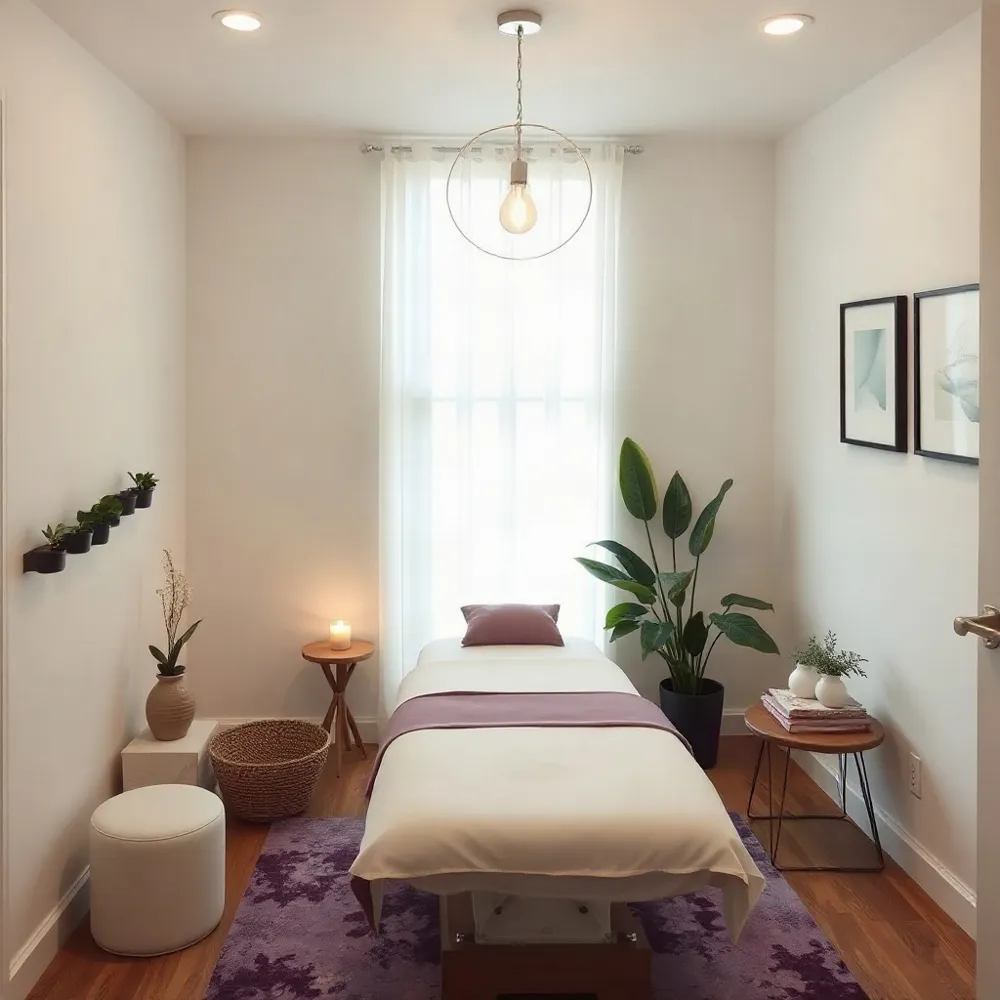 How often might someone receive acupuncture for anxiety? There is no established schedule that fits everyone. Session frequency and treatment length may depend on symptoms, overall health, personal preferences, response, and other care.
Research trials have used different plans rather than identifying one best regimen. A 2021 review included courses lasting roughly three to ten weeks, while a 2022 review described courses ranging from 15 days to eight weeks. These study ranges describe what researchers tested, not a prescription for an individual. The reviews also found variation in acupuncture methods and treatment protocols, leaving the optimal frequency and duration uncertain (2021 review; 2022 review).
A practical plan can begin with a conversation between the person, a qualified acupuncture practitioner, and the healthcare professional managing their anxiety. They can discuss what the person hopes to address, how acupuncture would fit with therapy or medication, and what signs of change to track. At eclipsewellness.net, care is framed around combining conventional and holistic approaches with attention to each person's needs, rather than assuming one course suits everyone.
Agreeing on a time-limited trial and a date to review progress can help make the decision clearer. Reassessment may lead to continuing, changing the plan, or stopping, based on response and preference. Keep the clinician managing anxiety informed, especially if symptoms worsen or disrupt daily life. Acupuncture should complement, not replace, prescribed medication or evidence-based psychotherapy, and medication changes should be discussed with the prescribing professional.
Safety and Choosing a Practitioner
What side effects or risks can acupuncture have?
Acupuncture is generally considered low risk when performed by a qualified practitioner, but it is not risk-free. Temporary soreness, mild needle pain, minor bleeding or bruising, and brief dizziness or faintness can occur. Rarely, poor technique or nonsterile needles can lead to infection or more serious injury, including damage to an organ. Using sterile, single-use needles and careful technique helps reduce these risks, as Mayo Clinic’s acupuncture guidance explains.
Before treatment, tell the practitioner about pregnancy, medical conditions, and medicines that affect bleeding. If you have a pacemaker, mention it before any electrical stimulation. Ask about the practitioner’s training, credentials, sanitation practices, expected benefits, and cost. You can also tell your doctor you are considering acupuncture and discuss how it may fit with your current care. Personalized, integrative care should account for your health history and existing treatment, rather than treating acupuncture as a substitute for medical advice.
Speak up if a needle causes sharp pain or discomfort. Seek medical care for severe or persistent symptoms after treatment. For more on common effects and practitioner safety, see this guide to acupuncture safety and choosing a practitioner.
Considering Anxiety Alongside Depression
Can acupuncture help with both anxiety and depression? The evidence supplied here does not establish acupuncture as a treatment for depression. Reviews of acupuncture for anxiety focus on generalized anxiety disorder (GAD), and do not show that it treats depression or works as a stand-alone treatment for either condition. The findings on GAD are also limited by differences in study methods and acupuncture protocols (2022 systematic review.
Some people may choose acupuncture as one supportive part of a broader care plan. That plan might include a mental-health assessment, therapy, prescribed medication, and other approaches suited to the person’s needs. At eclipsewellness.net, integrative wellness services include mental-health support and personalized care; a comprehensive integrative approach can place complementary therapies alongside conventional care rather than treating them as substitutes.
Talk with your healthcare team before starting acupuncture, especially if you are considering a change to treatment. Keep taking prescribed medication and attending therapy unless your prescriber advises otherwise. A qualified practitioner and your clinician can help you weigh possible benefits, risks, and fit with your current care.
Seek professional support if symptoms worsen or begin to disrupt daily life. If you are in the United States and have thoughts of suicide, call or text 988. Call 911 if there is immediate danger.
Claims About Vagus Nerve and Detox
Can acupuncture reset the vagus nerve or detox the body? While some research suggests possible effects on autonomic activity, including heart-rate variability, the evidence does not currently support the idea that acupuncture can reliably or permanently "reset" the vagus nerve. The term "reset" is not a recognized medical outcome, but that doesn't mean acupuncture can't have beneficial effects on the nervous system. For context on what is and is not established about the vagus nerve, avoid treating proposed mechanisms as proof of a specific clinical effect.
Acupuncture has also not been shown to trigger a special detox process. The body has its own efficient detoxification systems—the liver, kidneys, lungs, and digestive system—that normally process and eliminate substances. While some people may feel different after a session, these sensations are not necessarily a sign of toxin release.
It's not uncommon to experience temporary fatigue, soreness, or light-headedness after a session. These are normal reactions and not necessarily evidence of detoxification. If symptoms are severe, persistent, or concerning, it's important to consult a healthcare professional to understand what might be causing them. At eclipsewellness.net, an integrative approach places such concerns alongside a person’s broader health and treatment needs, combining conventional medical knowledge with holistic practices to support each individual's unique journey.
A Careful Conversation With Your Clinician
Acupuncture may be worth discussing as one part of anxiety care, but current research does not establish it as a replacement for psychotherapy or prescribed medication. Evidence reviews describe possible benefits for generalized anxiety disorder while noting limitations in study quality and consistency (2022 review).
A qualified healthcare professional can help weigh the option against your symptoms, health history, preferences, and response to current treatment. At eclipsewellness.net, care is framed around personalized strategies that consider both mental and physical well-being. Do not change prescribed treatment without first discussing it with your clinician.