Introduction: The Power of the Mind-Body Connection for Healing
The Power of the Mind-Body Connection for Healing
Holistic health is an approach that cares for the whole person. It sees the mind, body, and spirit not as separate parts, but as one interconnected system. The goal is to achieve balance across all these aspects to promote lasting well-being, addressing underlying causes rather than just symptoms.
Scientific advances now support this holistic view. Research confirms our thoughts and feelings can have direct physical impacts. For example, chronic stress or anxiety can raise heart rate, upset the stomach, and weaken the immune system. Conversely, physical states like pain or poor sleep can cloud mental focus and lower mood. This two-way street forms the core premise of mind-body healing.
Mind-body therapies are among the most widely recommended forms of complementary and integrative medicine. Their use has grown significantly, supported by a robust body of research. Techniques like meditation, yoga, and acupuncture are increasingly integrated into conventional treatment plans, valued for their safety and ability to support the body's natural healing processes.
This article explores specific, accessible mind-body healing techniques that you can use to support your recovery and overall wellness. These practices empower you to actively participate in your health, fostering resilience and a stronger connection between your mental and physical states.
| Core Concept | What It Means | Why It Matters for Healing |
|---|---|---|
| Holistic Health | Treating the whole person—mind, body, spirit. | Addresses root causes, not just symptoms, for lasting wellness. |
| Mind-Body Connection | Thoughts/emotions affect the body; physical state affects the mind. | Provides a scientific basis for using mental techniques to improve physical health. |
| Integrative Medicine | Combining conventional and complementary therapies. | Offers a personalized, comprehensive approach to patient care. |
| Self-Regulation | Using practices to consciously influence one's physiological state. | Empowers individuals to manage stress, pain, and emotional responses. |
| Evidence-Based Support | Growing research validates the efficacy of mind-body techniques. | Ensures practices are safe, credible, and effective components of care. |
Table: Foundational concepts of mind-body healing and their role in holistic wellness.
| Element of Self | How It Influences Health | Example of Interconnection |
|---|---|---|
| Mind (Thoughts/Emotions) | Stress can trigger physical symptoms (e.g., muscle tension). | Anxiety leading to digestive issues or headaches. |
| Body (Physical State) | Pain or fatigue can worsen mood and mental focus. | Chronic pain contributing to feelings of depression. |
| Spirit (Sense of Purpose) | Feeling connected and hopeful promotes self-care. | A lack of meaning potentially leading to neglected health. |
Table: How the interconnected elements of mind, body, and spirit influence overall health.
Defining Holistic Healing and Its Core Elements
What is a holistic approach to health and recovery?
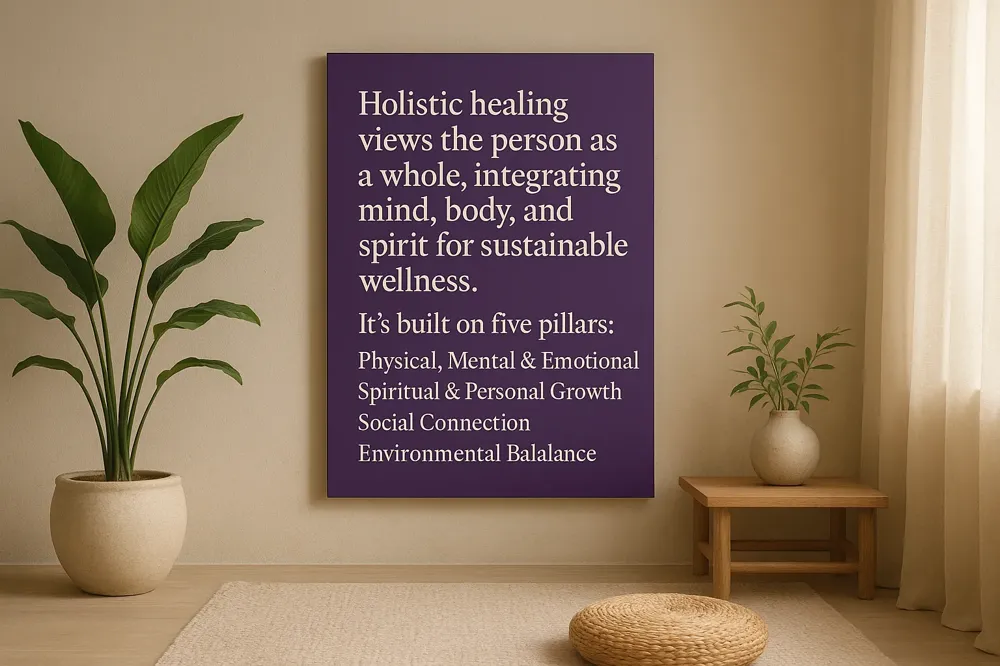
A holistic approach to health and recovery treats the whole person. This means it addresses your mind, body, and spirit together, not just isolated symptoms or a single diagnosis like addiction. Health is viewed as a state of balance across all these interconnected areas. The goal is to achieve optimal well-being, build resilience, and support sustainable personal growth, not simply stop a behavior or manage a condition.
This method is based on the principle of interconnectedness. For example, chronic stress or unresolved trauma can manifest physically as muscle tension, digestive issues, or a weakened immune system. Conversely, poor physical health, like chronic pain or lack of sleep, can cloud mental focus and lower your mood. A holistic model recognizes this two-way street and aims to heal the root causes, not just the surface symptoms.
Holistic healing effectively integrates conventional, evidence-based therapies with complementary wellness practices. It's not an either/or choice. Instead, it creates a comprehensive care model. You might work with a therapist for cognitive-behavioral therapy (CBT) while also incorporating yoga for stress relief and nutritional counseling to support your body's healing. This multimodal strategy empowers you to take an active role in your recovery journey.
What are the five pillars or foundational elements of holistic healing?
The foundation of holistic healing rests on five interconnected pillars. These elements work together to support a balanced and resilient life.
| Pillar | Core Focus | Key Practices & Examples |
|---|---|---|
| Physical Wellness | Supporting the body's health and vitality through foundational care. | Balanced nutrition, regular exercise (e.g., walking, yoga), quality sleep hygiene, hydration, and bodywork like massage. |
| Mental & Emotional Wellness | Cultivating a healthy, resilient mindset and processing feelings. | Mindfulness, meditation, therapy (CBT, DBT), journaling, stress management techniques, and creative arts. |
| Spiritual & Personal Growth | Fostering a sense of meaning, purpose, and inner peace. | Meditation, time in nature, expressive writing, spiritual practices, volunteering, and exploring personal values. |
| Social Connection | Building and maintaining supportive, healthy relationships. | Spending time with family/friends, group therapy, community activities, volunteering, and building sober networks. |
| Environmental Balance | Creating a living space and routine that promotes calm and wellness. | Organizing your home, spending time outdoors, reducing clutter, and establishing daily rhythms that support your goals. |
Creating a Comprehensive Care Model
By weaving together these five pillars, holistic healing moves beyond a checklist of symptoms. It supports you in developing healthy daily habits, understanding and healing the root causes of challenges, and strengthening your overall resilience. This comprehensive approach is particularly effective in reducing the risk of relapse and helping you maintain progress long after formal treatment ends. The journey is personalized, recognizing that what brings you joy and peace is unique, and the path to sustainable wellness is built one consistent, compassionate step at a time.
The Science and Scope of the Mind-Body Approach
Mind-Body Medicine Defined
Mind-body medicine is an integrative approach that uses the power of thoughts and emotions to positively influence physical health. It recognizes that mental states—like stress or optimism—directly affect bodily functions, including the immune system and hormone levels. By promoting self-regulation, this approach helps individuals manage their health proactively.
Scientific Backing and Mechanisms
Advanced imaging studies, such as functional magnetic resonance imaging (fMRI) and positron emission tomography (PET), provide scientific backing for mind-body techniques from fMRI and PET studies into how mind-body therapies work. These scans show that practices like meditation can change brain activity in areas linked to stress and emotion. This is supported by research on the interconnected limbic, autonomic, endocrine, and immune systems.
The key mechanism involves activating the body's relaxation response. This process lowers stress hormones, such as cortisol, and reduces inflammation. As a result, it can decrease the risk for chronic conditions like high blood pressure, anxiety disorders, and insomnia.
Classification of Practices
Mind-body practices are diverse and can be grouped into three main categories to understand their different focuses and methods.
| Category | Primary Focus | Common Examples | Key Benefits for Wellness |
|---|---|---|---|
| Psychological | Mental focus, imagery, thought patterns | Meditation, guided imagery, hypnosis | Reduces anxiety, improves emotional regulation, manages stress |
| Physical | Body movement, touch, physical stimulation | Acupuncture, massage therapy, reflexology | Eases chronic pain, releases muscle tension, improves circulation |
| Blended | Integration of movement, breath, and awareness | Yoga, tai chi, qigong | Enhances balance, reduces stress, improves both physical and mental function |
Wide Applicability in Health
These techniques are applicable for a broad spectrum of health concerns. They are used effectively to support recovery and manage symptoms in conditions including:
- Anxiety, depression, and post-traumatic stress disorder (PTSD).
- Chronic pain from issues like osteoarthritis, low-back pain, and migraines.
- Insomnia and other sleep disturbances.
- Addiction recovery, helping to reduce cravings and manage triggers.
- Chronic diseases like cancer and heart disease, to improve overall quality of life.
Research from the National Center for Complementary and Integrative Health (NCCIH) and clinical trials continues to validate these benefits, positioning mind-body approaches as a core component of modern, integrative healthcare.
Core Mind-Body Techniques for Everyday Wellness
Core Mind-Body Techniques for Everyday Wellness
Integrating mind-body practices into daily life is a powerful way to enhance well-being, reduce stress, and support holistic health. These techniques, grounded in both tradition and contemporary scientific research on mind-body connections, help cultivate a stronger connection between mental and physical states. They are often used alongside conventional medical care to address conditions like anxiety, depression, chronic pain, and support holistic recovery methods for addiction.
The beauty of these practices lies in their adaptability and accessibility. Many require minimal time, no special equipment, and can be tailored to individual needs and abilities. From brief moments of conscious breathing exercises somatic to more structured yoga postures and breathing exercises for stress reduction, these tools empower individuals to actively participate in their own healing journey steps.
Meditation and Mindfulness
Meditation is a foundational practice for calming the mind and fostering inner awareness. Techniques range from sitting quietly and focusing on the breath to more structured programs. Mindfulness-Based Stress Reduction (MBSR) for pain, developed by Dr. Jon Kabat-Zinn, is a widely studied eight-week program that teaches moment-to-moment, non-judgmental awareness. Transcendental Meditation involves silently repeating a personalized mantra.
Regular meditation for anxiety and depression has been shown to reduce symptoms of anxiety, depression, and PTSD. It can improve focus, sleep quality, and emotional regulation. The goal is not to empty the mind, but to observe thoughts and sensations without criticism, building healthier coping mechanisms.
Breathwork
Conscious breathing is one of the most immediate and accessible tools for self-regulation. Simple techniques can quickly activate the body's relaxation response by stimulating the parasympathetic nervous system. Diaphragmatic breathing, or "belly breathing," involves slow, deep inhalations that expand the abdomen, followed by complete exhalations.
Box Breathing is a popular method for immediate stress relief and managing cravings or anxiety. The pattern is simple: inhale for a count of four, hold the breath for four, exhale for four, and hold again for four before repeating the cycle. This rhythmic practice helps quiet the mind, lower cortisol levels, and restore a sense of calm.
Yoga
Yoga is a holistic discipline that unites physical postures (asanas), controlled breathing (pranayama), and meditation. Styles vary from gentle, restorative sessions to more vigorous flows. Research indicates yoga may benefit general wellness by relieving stress, improve mental and emotional health, and enhance sleep and balance.
For physical wellness, yoga may help manage low-back pain and neck pain. For mental health, it can reduce symptoms of anxiety and depressive disorders. The practice encourages a heightened connection to the body's sensations, promoting mindfulness and self-awareness within movement.
Tai Chi and Qigong
These ancient Chinese movement arts are often described as "meditation in motion." Tai Chi involves a series of slow, graceful, and deliberate movements performed with deep, focused breathing. Qigong, meaning "energy cultivation," typically consists of simpler, repeated movements aimed at enhancing the flow of vital energy (qi) in the body.
Both practices are excellent for improving balance and stability. They are shown to reduce stress, alleviate pain from conditions like osteoarthritis, and sharpen mental focus. Their gentle nature makes them suitable for all ages and fitness levels, offering a peaceful way to integrate movement and mindfulness.
Guided Imagery and Progressive Muscle Relaxation
Guided imagery for pain management, or visualization, uses directed imagination to promote relaxation and positive change. By creating detailed mental pictures of a calming scene—like a quiet beach or peaceful forest—you can elicit physiological responses that reduce stress and discomfort.
Progressive Muscle Relaxation (PMR) is a systematic technique for releasing physical tension. Starting at the feet or head, you deliberately tense a specific muscle group for a few seconds, then fully release it, noticing the contrast between tension and relaxation. Moving through the body, PMR can lower overall anxiety, ease chronic pain, and prepare the body for restful sleep.
Accessibility and Integration
A major advantage of mind-body therapies is their practicality for everyday life. Short, focused sessions—sometimes called "Somatic Shorts 5 minute practices"—of just five minutes can be profoundly effective. These practices generally require little space and no special equipment, making them feasible for home or office use.
Numerous resources are available for guidance, including mobile apps, online videos, podcasts, and books. Many community centers, hospitals, and studios offer introductory classes. When starting, it's beneficial to explore different modalities to discover what resonates personally, remembering that consistency in a chosen practice is more important than duration.
| Practice Category | Primary Techniques | Key Benefits | Suggested Starting Point |
|---|---|---|---|
| Meditation | Mindfulness, MBSR, Mantra | Reduces anxiety, improves focus | 5-10 minutes daily with an app guide |
| Breathwork | Box Breathing, Diaphragmatic | Immediate stress relief, calm | Use Box Breathing during a break |
| Movement | Gentle Yoga, Tai Chi flows | Improves balance, eases pain | Follow a 15-minute online video |
| Relaxation | PMR, Guided Imagery | Releases muscle tension, aids sleep | Try PMR before bed for 10 minutes |
| Daily Integration | Short sessions, apps, audio | Builds sustainable habit | Schedule a 5-minute "mindful moment" |
Applying Mind-Body Techniques for Specific Challenges: Pain and Mental Health
How can mind-body techniques be used specifically for pain relief?
Mind-body techniques provide pain relief by actively engaging the mind to change the perception and experience of pain. They work by reducing stress, which can amplify pain signals, and by reframing negative thought patterns associated with chronic discomfort.
Cognitive Behavioral Therapy (CBT) for pain relief is a core technique for redirecting thoughts, feelings, and behaviors during pain flare-ups. It helps individuals focus on positive images or thoughts instead of negative ones linked to pain.
Mindfulness-Based Stress Reduction (MBSR) for pain combines meditation and yoga to build awareness and acceptance of pain. Research shows it can be as effective as CBT for reducing pain and improving physical function.
Yoga and tai chi offer physical movement that also calms the mind. Yoga may help with low-back pain, neck pain, and the stiffness of osteoarthritis. Tai chi appears to improve balance and reduce pain from back and knee osteoarthritis.
Acupuncture for pain management in addiction and for chronic pain conditions is used to rebalance energy flow. Studies indicate it can ease chronic pain conditions like low-back pain, neck pain, and knee osteoarthritis. It may also reduce the frequency of tension headaches and prevent migraines.
Meditation and deep breathing directly trigger the body's relaxation response. This can lessen the severity of chronic pain by quieting the mind and reducing the overall stress response. Simple techniques, like box breathing, can be practiced anywhere.
Progressive muscle relaxation for pain management involves tensing and releasing muscle groups to increase awareness of tension versus relaxation. This method can reduce the perception of pain and is often used for chronic pain syndromes.
These practices are most effective when integrated into a comprehensive care plan. They are complementary tools that work alongside conventional medical treatments like medication and physical therapy.
| Technique | Primary Mechanism | Common Applications for Pain | Key Benefit |
|---|---|---|---|
| Cognitive Behavioral Therapy (CBT) | Reframes thoughts and behaviors | Chronic pain, pain flare-ups | Teaches lasting coping skills |
| Yoga | Combines movement, breath, mindfulness | Low-back pain, osteoarthritis, neck pain | Improves flexibility and reduces stress |
| Tai Chi | Slow, controlled movements and deep breathing | Osteoarthritis, back pain, balance issues | Enhances stability and reduces stiffness |
| Acupuncture for pain management in addiction and for chronic pain conditions | Stimulates nerves and energy flow | Chronic neck/back pain, migraines, knee pain | May provide durable pain relief |
| Mindfulness Meditation | Focuses awareness on the present moment | Chronic pain, stress-related pain | Reduces pain perception and anxiety |
| Deep Breathing Exercises | Activates relaxation response | Acute pain episodes, muscle tension | Offers immediate calming effect |
| Progressive Muscle Relaxation | Tenses and releases muscle groups | Muscle pain, tension headaches | Increases body awareness and relieves tension |
How do mind-body practices support mental health and emotional regulation?
Mind-body practices support mental health by fostering self-regulation, reducing stress hormones, and enhancing present-moment awareness. These techniques help individuals manage symptoms of anxiety, depression, and trauma.
Mindfulness and meditation are foundational. Regular practice can reduce symptoms of anxiety, depression, and post-traumatic stress disorder (PTSD). It encourages non-judgmental observation of thoughts and feelings.
Somatic practices focus on internal physical sensations to process emotions and trauma held in the body. Techniques include how to do a body scan, grounding exercises for feet and stability, and gentle movement to reconnect the mind and body.
For trauma-specific treatment, Eye Movement Desensitization and Reprocessing (EMDR) and Accelerated Resolution Therapy (ART) are evidence-based. EMDR uses guided eye movements to desensitize traumatic memories. ART replaces distressing images with positive ones, often requiring fewer sessions. Somatic therapy trauma release is another key approach.
Breathwork, such as diaphragmatic or box breathing, provides immediate relief from anxiety. It calms the nervous system by activating the parasympathetic response, lowering cortisol levels.
Yoga and tai chi also contribute to emotional regulation. They combine physical activity with mental focus, which can reduce stress, improve mood, and build mindfulness. These practices are often used to alleviate symptoms of depression and anxiety.
Creative arts therapies, including art, music, and dance, offer non-verbal outlets for emotional expression and processing. They can be particularly helpful for individuals who find it difficult to articulate feelings.
These approaches empower individuals by building self-awareness and healthier coping mechanisms. They are designed to be integrated with traditional psychotherapy and psychiatric care for a holistic treatment plan.
What role do mind-body techniques play in supporting addiction recovery?
In addiction recovery, mind-body techniques help manage cravings, ease withdrawal symptoms, reduce stress, and build emotional resilience. They support the development of healthier coping mechanisms to prevent relapse.
Meditation is used for smoking cessation and managing cravings. It builds mindfulness, which helps individuals observe urges without acting on them. This can reduce the risk of relapse.
Yoga supports recovery by reducing stress and anxiety, common triggers for substance use. It promotes physical wellness and self-awareness, uniting body, mind, and spirit.
Acupuncture may help reduce cravings and anxiety and alleviate withdrawal symptoms. It is believed to rebalance the body's energy, supporting holistic recovery and reducing discomfort during detox.
Breathwork techniques offer quick tools for managing stress and emotional triggers. Practices like box breathing can be used in moments of high craving or anxiety to regain calm and focus.
Nutritional counseling and physical exercise are often included in holistic recovery plans. Proper nutrition restores bodily health, while exercise releases endorphins, improves mood, and establishes healthy routines.
These practices address the root causes of addiction, such as unresolved trauma or chronic stress. They work best when combined with evidence-based therapies like Cognitive Behavioral Therapy (CBT) and support groups. The SAMHSA National Helpline 1-800-662-HELP is a critical resource for connecting with treatment and support.
Why is it important to use these techniques as complements to conventional care?
Mind-body techniques are most effective when used as complementary supports to conventional medical care and professional therapy. They are not replacements for necessary medical treatment.
Conventional care provides diagnosis, medication, and evidence-based psychological interventions. Mind-body practices add a layer of self-management, empowering patients to actively participate in their healing.
Integrating both approaches addresses the whole person—mind, body, and spirit. This holistic model can lead to better outcomes in pain management, mental health, and addiction recovery.
Safety is paramount. While generally safe, some practices require guidance from trained professionals. For instance, acupuncture should be performed by a licensed practitioner, and yoga should be matched to an individual's physical tolerance.
Open communication with healthcare providers is essential. Discussing the use of complementary techniques ensures they are appropriately integrated into a personalized treatment plan. This collaborative approach supports shared decision-making and patient-centered care.
| Aspect | Conventional Care Role | Mind-Body Technique Role | Integrated Benefit |
|---|---|---|---|
| Pain Management | Diagnosis, medication, surgery | CBT, yoga, meditation for perception | Reduces reliance on meds, improves coping |
| Mental Health Therapy | Psychotherapy, psychiatry | Mindfulness, breathwork for regulation | Enhances emotional skills, reduces symptoms |
| Addiction Treatment | Detox, counseling, support groups | Acupuncture, yoga for craving management | Addresses root causes, builds holistic resilience |
| Professional Oversight | Medical doctors, licensed therapists | Certified instructors, trained practitioners | Ensures safety and personalized application |
| Patient Empowerment | Follows prescribed treatment plans | Encourages daily self-care practices | Fosters active role in long-term wellness journey |
Building a Personal Practice: Self-Care and Foundational Frameworks
Practical Self-Care Habits to Improve Both Physical and Mental Health
Integrating self-care into daily life means tending to your physical and emotional needs. Start with the fundamentals: aim for at least 30 minutes of physical activity, like walking, which can boost mood and improve health. Eat regular, nutritious meals and stay hydrated, as this supports stable energy, focus, and mood. Prioritizing sleep by maintaining a consistent sleep schedule and reducing screen time before bed is also crucial for mental recovery and clarity. Nurturing your emotional well-being is equally important. Engaging in relaxing activities such as listening to music, reading, or spending time in nature can lower stress. Techniques like practicing gratitude by acknowledging things you're thankful for each day, and setting healthy boundaries by learning to say 'no' to avoid overwhelm, foster a positive mindset and protect your emotional energy. Ultimately, holistic self-care blends these habits. It involves connecting with supportive friends or family, giving back to others, and learning new skills for continuous learning. Finding the right combination of practices for you is a personal journey that builds a resilient foundation for overall wellness.
The 5 C's of Mental Health
This framework offers a holistic structure for building resilience and emotional well-being. The 5 C's are:**
- Competence: The feeling of being capable of effectively handling life's daily challenges and stresses.
- Confidence: A positive belief in your own abilities and judgment to navigate different situations.
- Connection: The presence of supportive, meaningful relationships that provide a sense of belonging and security.
- Character: Acting with integrity, responsibility, and a clear sense of personal values and ethics.
- Caring: Showing empathy, compassion, and kindness toward both yourself and others. Cultivating these five areas encourages a balanced, resilient mindset that supports long-term mental wellness and the ability to cope with adversity.
The 5 R's of Mindfulness
The 5 R's provide a practical, accessible cycle for cultivating present-moment awareness and responding skillfully to stress:
- Recognize: Gently acknowledge your current thoughts, emotions, and physical sensations without judgment.
- Relax: Consciously soften any tension in your body and mind, often by focusing on a few deep, calming breaths or conscious breathing exercises.
- Review: With curiosity, observe the situation. Assess what is happening, what your options are, and what is within your control.
- Respond: From this centered and relaxed state, choose a deliberate, thoughtful action rather than reacting impulsively.
- Return: When your mind inevitably wanders, which is natural, gently guide your attention back to the present moment. This framework helps integrate mindfulness into daily life, supporting emotional regulation and reducing reactivity.
Stages of Healing from Trauma or Emotional Pain
Healing from emotional pain or trauma is a highly individual and non-linear process, but it often follows a general progression through several stages. While no single model fits every person's experience, common phases of recovery include:
- Safety & Stabilization: The initial focus is on establishing physical and emotional security, learning calming techniques and somatic calming and activating sessions, and regulating overwhelming feelings.
- Processing: This stage involves confronting and working through the difficult emotions associated with the trauma, such as shock, pain, anger, grief, and shame. This may involve somatic therapy for trauma release.
- Integration & Acceptance: Here, the experience is woven into one's life story in a new way, leading to acceptance, finding meaning, and building a renewed sense of self.
- Transformation: The final stage involves moving forward with resilience, applying new coping skills, and re-engaging fully with life without being defined by the past. Understanding these phases can help normalize the healing journey and provide a roadmap for recovery.
| Self-Care Area | Core Practices | Key Benefit for Wellness |
|---|---|---|
| Physical | Daily walking, balanced meals, sleep hygiene | Boosts mood, energy, and cognitive focus |
| Emotional | Gratitude practice, setting boundaries | Fosters positivity and protects mental energy |
| Mindfulness | 5 R's cycle, meditation, breathwork | Reduces stress and improves emotional regulation |
| Social | Connecting with others, volunteering | Strengthens resilience and sense of purpose |
| Healing Process | Stabilization, processing, integration | Guides recovery from trauma in structured phases |
Complementary and Integrative Modalities: Expanding the Toolkit
Acupuncture: Stimulating Healing and Pain Relief
Acupuncture is a cornerstone of Traditional Chinese Medicine where thin, sterile needles are inserted at specific points on the body. The goal is to restore the balanced flow of vital energy, known as Qi, to support healing. Scientific research indicates this practice is more than traditional; it's evidence-based for managing chronic pain.
A body of research, including systematic reviews, supports acupuncture's effectiveness for conditions like persistent low-back pain, neck discomfort, and knee osteoarthritis. It may also reduce the frequency of tension headaches and help prevent migraine episodes. Beyond physical pain, it is increasingly integrated into holistic recovery approaches. Studies suggest it can help ease withdrawal symptoms, reduce cravings, and alleviate co-occurring anxiety.
Somatic Practices: Reconnecting Mind and Body
Somatics is a field dedicated to internal physical perception and conscious movement. Developed by Thomas Hanna, it uses exercises performed with complete internal focus to bridge the gap between mental and physical states. These practices are designed to increase body awareness and release stored tension.
Key somatic techniques are practical and accessible. A Body Scan involves mentally attending to sensations from head to toe, promoting mindfulness. Releasing Weight through Ideokinesis uses mental imagery to shift the perception of physical and emotional burdens. For immediate relief, the Feldenkrais Method offers simple Trigger Point Release exercises using props like a tennis ball to alleviate shoulder and neck stiffness quickly.
Energy Healing Modalities: Balancing Internal Systems
Energy healing is based on the concept that the body has innate energy systems—like Qi or chakras—that influence well-being. When balanced, these systems promote relaxation and health. While considered complementary and not a replacement for medical care, these modalities are used to reduce stress and support emotional wellness.
Reiki is a gentle technique where a practitioner channels life-force energy through their hands, placed lightly on or above the body, to encourage natural healing. Qigong synchronizes slow, deliberate movements with breath and mental focus to cultivate and balance energy. Therapeutic Touch is a non-contact method where practitioners pass their hands over the body to clear perceived energy imbalances and restore flow.
Creative and Expressive Therapies: Beyond Words
For individuals who find verbal expression challenging, creative therapies offer a powerful alternative for emotional processing. These modalities use art, sound, and movement to access and communicate feelings that are difficult to articulate, aiding in trauma recovery and stress reduction.
Art therapy provides a visual outlet through painting or drawing. Music therapy uses listening to or creating music to influence mood; research shows it can reduce anxiety, depression, and pain during medical procedures. Dance/movement therapy connects emotional states to physical motion, helping to release stored tension and foster a stronger mind-body connection.
Biofeedback and Neurofeedback: Training Self-Regulation
Biofeedback and neurofeedback are technology-assisted techniques that teach you to influence your own physiological processes. By providing real-time data on bodily functions typically outside conscious control, you learn to self-regulate for better health outcomes.
In a typical session, sensors monitor signals like heart rate, muscle tension, or brainwave activity. This information is fed back to you visually or audibly. Through practice, you learn techniques to voluntarily lower your heart rate or reduce muscle tension. It is commonly used for stress management, chronic pain conditions like headaches, and mental health issues including anxiety. Certified practitioners ensure these tools are used safely and effectively within a broader treatment plan.
| Modality Category | Primary Techniques | Key Applications | Sample Benefits |
|---|---|---|---|
| Acupuncture | Needle insertion at meridian points | Chronic pain, headache prevention, addiction recovery | Reduces pain perception, eases cravings, lowers anxiety |
| Somatic Practices | Body scans, ideokinesis, trigger point release | Stress reduction, chronic tension, postural reset | Increases body awareness, releases muscle holding patterns |
| Energy Healing | Reiki, Qigong, Therapeutic Touch | Anxiety management, relaxation, supporting cancer care | Activates parasympathetic nervous system, promotes calm |
| Creative Therapies | Art, music, dance/movement therapy | Trauma processing, non-verbal expression, mood disorders | Facilitates emotional release, reduces symptoms of depression |
| Bio/Neurofeedback | Heart rate variability training, neurotherapy | Stress, chronic pain, ADHD, anxiety disorders | Teaches voluntary control over physiological responses |
Safety, Professional Guidance, and Taking the Next Step
Safety, Professional Guidance, and Taking the Next Step
Embarking on a journey with mind-body healing techniques is empowering, but doing so safely and effectively is paramount. While these practices generally have good safety records, their proper application is key to reaping benefits and avoiding unnecessary risk. Individual health circumstances, such as pre-existing medical conditions or pregnancy, can significantly affect the safety of a given practice. This underscores the necessity of personalized assessment and guidance.
Professional oversight is crucial for certain modalities. Techniques like clinical hypnosis for pain or addiction, biofeedback for blood pressure management, and acupuncture for chronic pain should be administered by practitioners with specific, recognized certifications. Seeking providers certified by bodies like the American Society of Clinical Hypnosis or the Biofeedback Certification Institute of America helps ensure both safety and therapeutic effectiveness.
It is essential to view these practices as complementary pillars of health, not replacements for conventional medical care. They are designed to work alongside standard treatments. You should never use mind and body practices to postpone seeing a healthcare provider for a new or worsening health problem. Integrative care is about collaboration, not substitution.
Initiate a conversation about these approaches with your primary care doctor or specialist. This allows for shared decision-making and helps create a cohesive, personalized wellness plan. A truly holistic approach recognizes that there is no one-size-fits-all solution; discovering what resonates and works for you is a personal process that may involve some trial and error.
A wealth of resources is available to support your practice. You can find guidance through instructional DVDs, reputable apps, books, and local community or hospital wellness programs. For those dealing with mental health or substance use challenges, immediate and confidential support is available through national helplines like SAMHSA’s National Helpline (1-800-662-HELP) and the 988 Suicide & Crisis Lifeline.
| Practice Area | Key Safety Consideration | Professional Credential to Seek | Complementary Action |
|---|---|---|---|
| Clinical Hypnosis | Used for pain, sleep, addictions. | Certification from the American Society of Clinical Hypnosis. | Discuss with therapist for referral. |
| Biofeedback | Manages stress, BP, chronic pain. | Therapist certified by Biofeedback Certification Institute of America. | Integrate with primary care plan. |
| Acupuncture / Bodywork | Individual health conditions affect safety. | Licensed acupuncturist or trained massage therapist. | Disclose full medical history. |
| Yoga / Tai Chi | Physical tolerance varies by style. | Instructor trained in therapeutic or adaptive formats. | Start with beginner or gentle classes. |
| General Mind-Body Practice | Not a substitute for medical diagnosis. | Practitioner with relevant training and experience. | Maintain regular doctor visits. |
Conclusion: Embracing the Journey to Wholeness
Reiterating the Nature of the Journey
Mind-body healing is not a quick fix, but an ongoing journey of self-discovery and personal empowerment. It involves learning to listen to your body, understand your thoughts, and cultivate practices that support your whole self.
The Power of an Integrated Approach
Combining these evidence-based mind-body techniques with conventional medical care creates a truly holistic and personalized path to recovery and wellness. This integrative model addresses the root causes of distress while effectively managing symptoms.
Starting Your Practice
Begin with small, manageable steps. Be patient and compassionate with yourself as you explore different techniques. Seeking guidance from qualified professionals can help you build a safe, effective, and sustainable practice tailored to your unique needs.
Unlocking Your Innate Capacity
By consistently nurturing the mind-body connection, you tap into your body's natural capacity for healing and resilience. This fosters greater balance, emotional regulation, and a foundation for a more fulfilling and healthy life.