Introducing GLP‑1 Therapy for Weight Management
GLP‑1 receptor agonists such as semaglutide (Wegovy®) and tirzepatide (Zepbound®) mimic the gut hormone that slows gastric emptying, boosts satiety and improves insulin function. The FDA approves these agents for type 2 diabetes and, at higher doses, for chronic weight management in adults with a BMI ≥ 30 kg/m² or ≥ 27 kg/m² with obesity‑related comorbidities. Integrated into a holistic wellness plan, they work best when paired with balanced nutrition, regular movement, stress‑reduction practices, and personalized coaching, creating a patient‑centered path to sustainable health.
Mechanism of Action, Approved Uses, and Safety Overview
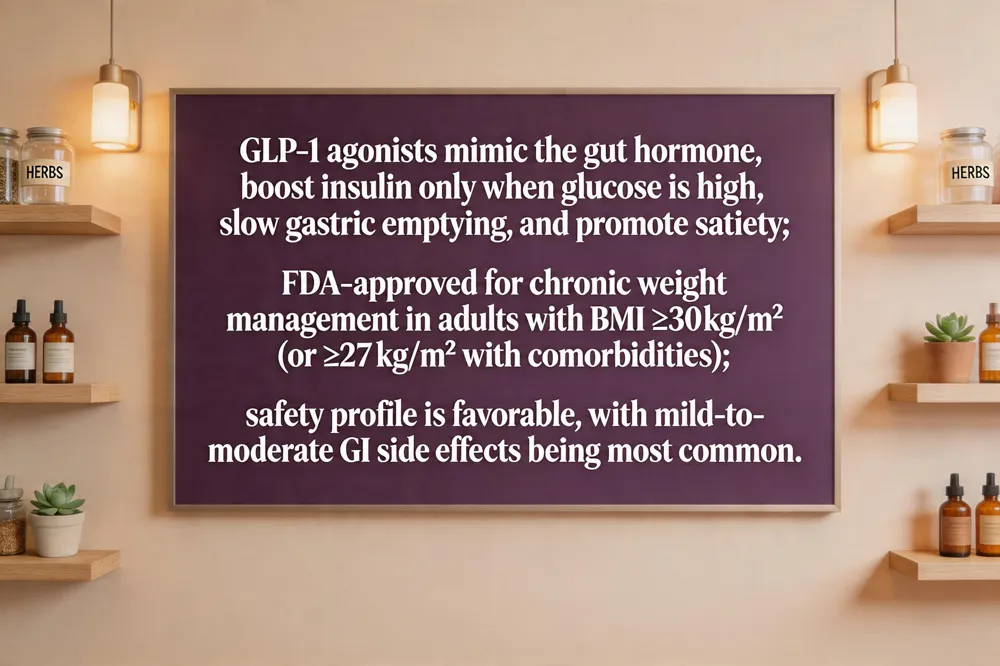 GLP‑1 receptor agonists are synthetic versions of the gut hormone glucagon‑like peptide‑1. When injected or taken orally, they bind to GLP‑1 receptors in the pancreas, brain, and gastrointestinal tract, boosting insulin release only when glucose is high, slowing gastric emptying, and sending strong satiety signals that curb appetite and reduce daily calorie intake.
The FDA approves these agents for chronic weight management in adults with a BMI ≥ 30 kg/m², or BMI ≥ 27 kg/m² when obesity‑related conditions such as hypertension, dyslipidemia, or type 2 diabetes are present.
Both injectable (once‑weekly pens of semaglutide – Wegovy, tirzepatide – Zepbound) and oral formulations (semaglutide tablets – Wegovy pill, forglipron – Foundayo) are available in the United States, expanding options for patients who prefer a non‑injectable route.
Safety is generally favorable when prescribed by a qualified clinician. The most frequent side effects are mild‑to‑moderate gastrointestinal symptoms—nausea, vomiting, diarrhea, or constipation—that improve with gradual dose titration. Contraindications include a personal or family history of medullary thyroid carcinoma or MEN 2, pregnancy, severe gastroparesis, and known hypersensitivity.
GLP‑1 drugs for weight loss: Semaglutide (Wegovy) and tirzepatide (Zepbound) are the most potent FDA‑approved options, with oral semaglutide offering a needle‑free alternative.
Is GLP‑1 safe for weight loss?: Yes, when monitored by a healthcare team; common GI effects are manageable, and serious events are rare.
GLP‑1 weight loss non‑diabetic: Trials show non‑diabetic adults lose 7‑11 % of body weight, with benefits across ages and ethnicities.
Which GLP‑1 is safest for weight loss?: Semaglutide and liraglutide have the longest safety record and are typically first‑line; newer agents like tirzepatide appear similarly safe but have less long‑term data.
Is Ozempic a GLP‑1?: Yes—Ozempic contains semaglutide, a GLP‑1 receptor agonist approved for type 2 diabetes and cardiovascular risk reduction, and it often produces modest weight loss as a secondary benefit.
Starting Therapy: Dosing Schedules, Titration, and Conversion Tools
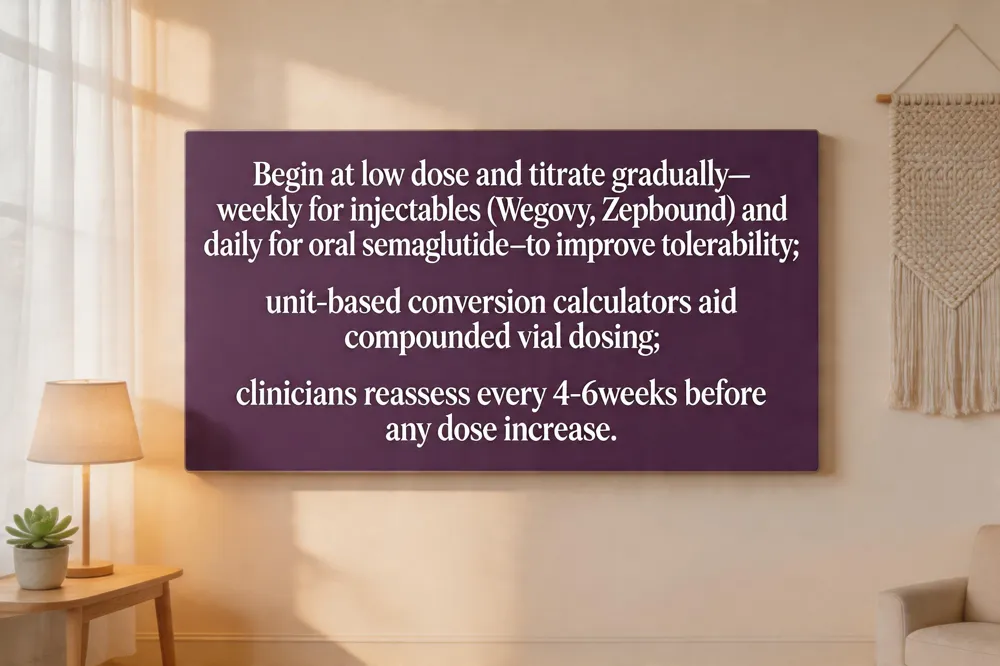 GLP‑1 receptor agonists are started at a low dose and slowly titrated to improve tolerability while building efficacy.
Weekly escalation for semaglutide (Wegovy) and tirzepatide (Zepbound). Wegovy begins with 0.25 mg once weekly for four weeks, then rises to 0.5 mg (weeks 5‑8), 1 mg (weeks 9‑12), 1.7 mg (weeks 13‑16) and reaches the maintenance dose of 2.4 mg at week 17. Tirzepatide follows a similar 4‑week step‑wise pattern: 2.5 mg → 5 mg → 7.5 mg → 10 mg → 12.5 mg → 15 mg weekly, with each increase only after the previous dose has been tolerated for at least four weeks.
Oral semaglutide dosing and fasting requirements. The oral formulation is taken on an empty stomach each morning, at least 30 minutes before food, water (≤4 oz), or other meds. The titration mirrors the injectable: 1.5 mg daily for 30 days, then 4 mg daily for the next 30 days, 9 mg daily for another 30 days, and finally 25 mg daily for maintenance.
Unit‑based dosing for compounded vials. Compounded semaglutide or tirzepatide often comes in 2.5 mg/mL (or 5 mg/mL) concentrations. To convert a prescribed dose to U‑100 insulin‑syringe units, use Units = (Dose mg ÷ Concentration mg/mL) × 100. For example, a 0.5 mg dose from a 2.5 mg/mL vial equals 20 units (0.20 mL). Always verify the vial’s label and rotate injection sites (abdomen, thigh, upper arm).
When and how to increase the dose safely. Clinicians reassess every 4‑6 weeks. An increase is considered only after the patient has tolerated the current dose without severe nausea, vomiting, or hypoglycemia. The next step is added in the scheduled 4‑week interval, never by the patient alone. If a dose is missed, take it as soon as remembered provided the next injection is >48 hours away; otherwise skip it and resume the regular weekly schedule.
A simple dosing calculator can automate the unit conversion for compounded vials. pre‑filled pens (Wegovy®, Ozempic®, Zepbound®, Mounjaro®) have fixed doses and do not require calculation. Working closely with a pharmacist, dietitian, and physician ensures the titration aligns with personal weight‑loss goals, side‑effect profile, and overall health.
First‑Month Experience: Side Effects and Early Weight Loss
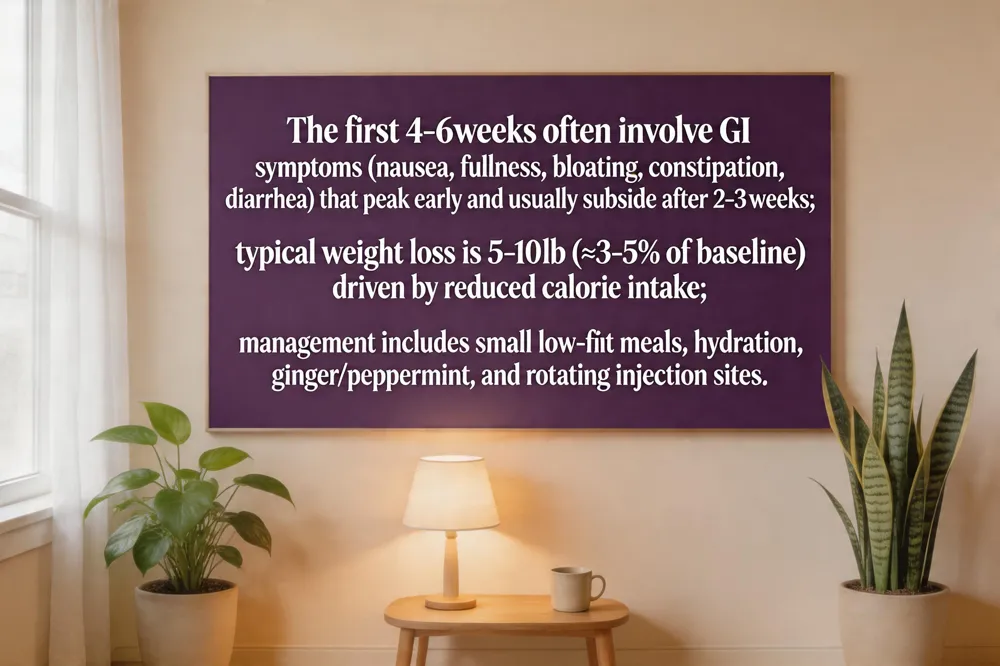 When you begin a GLP‑1 medication for weight loss, the first 4‑6 weeks are an adjustment period. Most people notice gastrointestinal symptoms—nausea, a feeling of fullness, bloating, constipation, or occasional diarrhea—within the first 24‑48 hours, and these tend to peak during the initial dose‑titration phase. By the end of the first month, side effects usually subside as the body adapts, especially when the dose is increased slowly.
Typical gastrointestinal symptoms and timing – Nausea, mild vomiting, abdominal discomfort, and loose stools are most common in the first two weeks and often improve after the third week.
Management strategies – Eat smaller, low‑fat meals; stay well‑hydrated; sip ginger tea, peppermint, or a probiotic‑rich snack; and rotate injection sites (abdomen, thigh, upper arm). If nausea persists, discuss anti‑nausea medication or a temporary dose reduction with your clinician.
Expected weight loss in the initial 30 days – Most patients lose 5‑10 lb (≈2‑4.5 kg), roughly 3‑5 % of baseline weight, driven by reduced appetite and slower gastric emptying. Those who combine the drug with protein‑rich foods, fiber‑dense vegetables, and light activity often see the higher end of this range.
When side effects usually subside – Gastro‑intestinal discomfort typically diminishes after the first 2‑3 weeks; any lingering symptoms should be reassessed by a healthcare professional.
Key take‑aways – Start low, titrate slowly, hydrate, eat nutrient‑dense meals, and keep regular follow‑ups. These steps help manage early side effects, support the modest weight loss of the first month, and lay the foundation for sustained, healthy progress.
Weight‑Loss Trajectory and Long‑Term Health Benefits
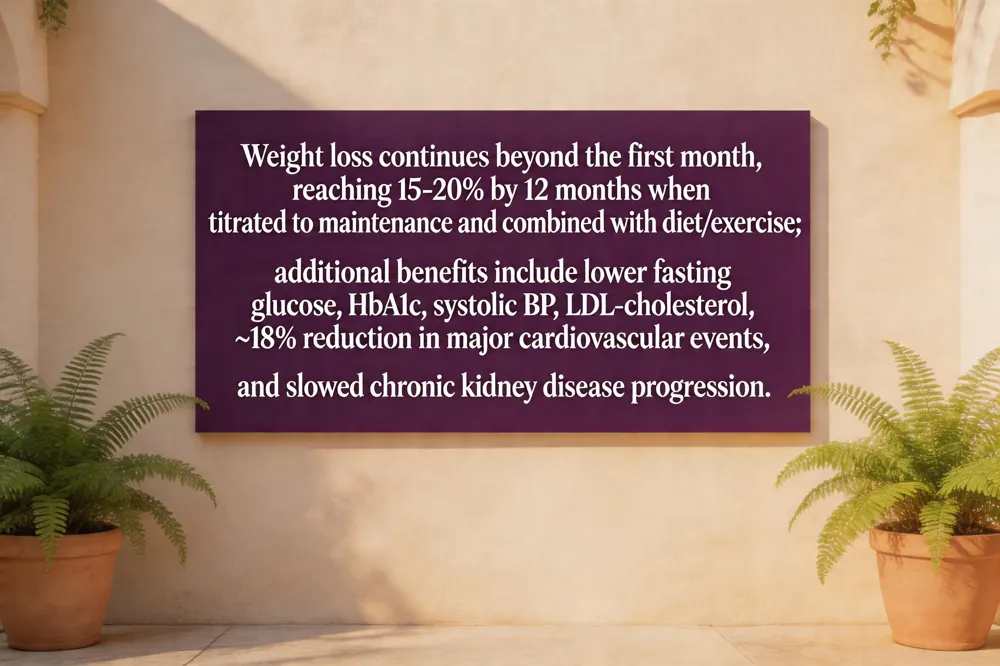 When a patient begins a GLP‑1 agonist, appetite typically drops within a few days, and a modest 1–2 lb loss per week follows as calories fall. By the end of the second month most people have shed 5‑10 % of their baseline weight; the pace slows but continues through months 3‑6, often reaching 15‑20 % loss by 12 months if the dose is titrated to the maintenance level and diet‑exercise habits are in place.
Beyond the scale, GLP‑1 therapy delivers durable metabolic gains: it improves fasting glucose and HbA1c, lowers systolic blood pressure, and reduces LDL‑cholesterol. Large cardiovascular outcome trials have shown an ~18 % relative risk reduction for heart attacks and strokes, while kidney‑protective data indicate slower progression of chronic kidney disease and fewer cases of end‑stage renal failure. These organ‑level benefits persist while the medication is continued; discontinuation can erode protection within months.
Long‑term side‑effects are generally mild and gastrointestinal—nausea, vomiting, constipation, diarrhea—which tend to wane after dose escalation. Some patients develop a modest increase in heart rate or gallbladder disease; rare events such as pancreatitis or thyroid C‑cell changes require vigilance.
For non‑diabetic adults, semaglutide and tirzepatide consistently produce 7‑11 % weight loss, with similar efficacy across ages, sexes, and ethnic groups. Personalized care—regular physician follow‑up, dietitian‑guided nutrition rich in protein and fiber, resistance training to preserve lean muscle, adequate hydration, and behavioral counseling—maximizes weight‑loss durability and sustains the cardiovascular, renal, and metabolic improvements over the long term.
Comparing GLP‑1 Options: Efficacy, Safety, and Oral Alternatives
 GLP‑1 receptor agonists have become a cornerstone of medical weight management, but not all agents are created equal.
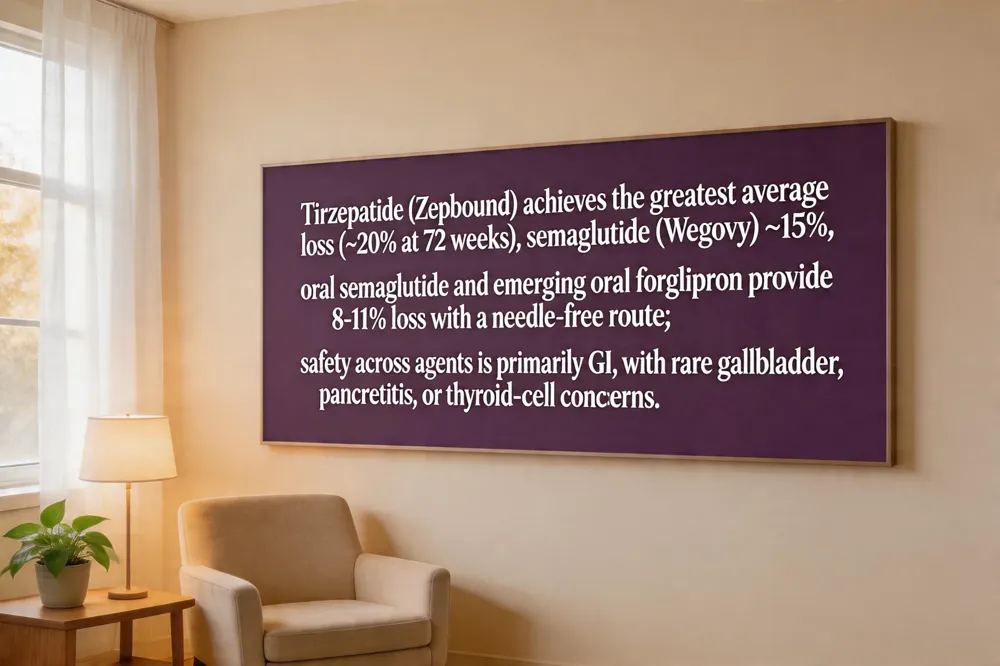
Efficacy – Clinical trials consistently show that tirzepatide, a dual GLP‑1/GIP agonist, produces the greatest average weight loss (≈20 % of baseline weight at 72 weeks in SURMOUNT‑5) compared with semaglutide (≈15 % loss with Wegovy/semaglutide). Oral semaglutide (Wegovy Oral) and the emerging small‑molecule oral forglipron achieve modest reductions of 8‑11 % after a year, offering a non‑injectable option for patients who prefer pills.
Safety – Across formulations, the most common adverse events are gastrointestinal (nausea, vomiting, constipation, diarrhea) and are most pronounced during dose escalation. Rare but serious risks include gallbladder disease, pancreatitis, and a boxed‑warning for medullary thyroid carcinoma in patients with a personal or family history of MEN 2. Large outcome trials have not demonstrated an increased overall cancer risk; some data even suggest a modest reduction in obesity‑related malignancies.
Real‑world expectations – Early‑phase data and patient reports indicate that a 20‑lb (≈9 kg) loss in two months on ozempic is possible but not typical; most individuals lose 8‑12 lb in that period when combined with diet, activity, and behavioral support.
Choosing the right therapy – For maximal weight‑loss results, tirzepatide is currently the most effective GLP‑1 agent. Oral semaglutide remains the preferred non‑injectable option for those who cannot or do not wish to self‑inject, offering a solid efficacy‑safety balance. Decision‑making should incorporate insurance coverage, dosing convenience, and individualized lifestyle counseling to sustain long‑term success.
Safety Monitoring, Cancer Concerns, and What Happens After Stopping
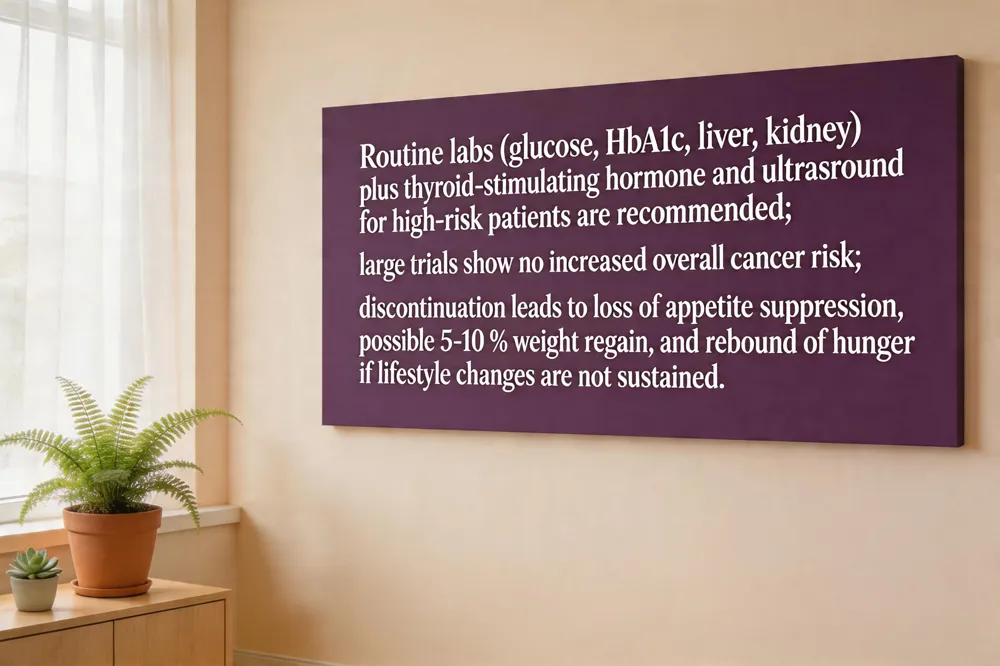 GLP‑1 receptor agonists are generally safe, but clinicians recommend regular labs and imaging to catch rare complications early. Routine blood work should include fasting glucose, HbA1c, liver enzymes, and kidney function; thyroid‑stimulating hormone and neck ultrasound are advised for patients with a personal or family history of medullary thyroid carcinoma (MTC) or MEN 2. Annual abdominal ultrasound can screen for gallbladder stones, especially in high‑dose users.
Cancer risk clarification – Large cardiovascular outcome trials and meta‑analyses have not shown an increased overall cancer incidence with GLP‑1 therapy. The FDA’s boxed warning for MTC reflects animal‑study findings; in humans the risk is extremely low, and some data suggest a modest reduction in obesity‑related cancers.
Side‑effects after stopping – Most gastrointestinal symptoms (nausea, vomiting, diarrhea) fade within weeks once the medication is discontinued. However, the appetite‑suppressing effect wanes, often prompting a rebound increase in hunger and weight regain of 5‑10 % within the first few months if lifestyle changes are not sustained. Blood‑glucose control may deteriorate in diabetics, and a temporary rise in insulin resistance can occur. Monitoring weight, diet, and activity, and scheduling follow‑up visits help mitigate these metabolic shifts.
Long‑term side‑effects – Persistent mild GI upset, occasional gallbladder disease, a slight rise in resting heart rate, and very rare pancreatitis are the main concerns. Ongoing surveillance and a balanced diet with adequate protein and regular exercise are key to maintaining health while on GLP‑1 therapy.
Integrative Lifestyle Support: Nutrition, Exercise, and Ongoing Care
 GLP‑1 agonists such as semaglutide (Wegovy®, Ozempic®) and tirzepatide (Zepbound®) jump appetite, slow gastric emptying, and improve insulin sensitivity, but sustained weight loss depends on a comprehensive lifestyle plan.
Protein‑rich, fiber‑dense meals – To preserve lean muscle while the body burns fat, patients should aim for 20‑30 g of protein per meal (≈1.0‑1.2 g/kg body weight daily) and fill the plate with fiber‑rich vegetables, whole‑grain carbs, and healthy fats. Adequate protein reduces muscle loss, which can account for up to 40 % of total weight loss, and fiber helps prevent constipation, a common gastrointestinal side effect of GLP‑1 therapy.
Resistance training and activity recommendations – Light to moderate aerobic activity (e.g., brisk walking 30‑60 minutes most days) combined with 2‑3 weekly resistance‑training sessions (body‑weight, bands, or free weights) supports muscle preservation, improves insulin sensitivity, and boosts metabolic health. The muscle encourages ramping up activity gradually, especially during the first month when nausea or fatigue may be present.
Role of dietitians, pharmacists, and holistic programs – Integrated care models—such as Intermountain Health’s GLP‑1 weight‑loss program—provide online health assessments, pharmacist consultations, home‑delivery of medication, and dietitian‑guided nutrition plans. Dietitians tailor calorie‑appropriate meals, monitor protein intake, and address nutrient gaps, while pharmacists ensure correct dosing, rotating injection sites, and managing side‑effects.
Behavioral health and long‑term adherence – Behavioral counseling helps patients address food cravings, “food noise,” and emotional eating, which often resurface after dose tapering or discontinuation. Regular follow‑up appointments, mindfulness practices, and stress‑management techniques reinforce the mind‑body connection and improve adherence to both medication and lifestyle changes.
By weaving together evidence‑based nutrition, structured physical activity, and a supportive multidisciplinary team, patients can maximize the weight‑loss benefits of GLP‑1 therapy while preserving lean mass and promoting lasting health.
Putting It All Together for Sustainable Success
When you start a GLP‑1 injection, expect a gradual drop in appetite, modest weight loss of 5‑10 % in the first month, and mild GI symptoms that usually settle after a few weeks. Your dose should be titrated slowly to match tolerance, with adjustments if nausea, vomiting, or constipation become bothersome. Pair the medication with balanced, protein‑rich meals, regular activity, and stress‑reduction practices. Ongoing collaboration with a physician, dietitian, pharmacist, and wellness coach helps manage side‑effects, track progress, and sustain results.