
Pain Is More Than a Signal
Chronic pain can last for more than three months and shape how a person sleeps, moves, works, and connects with others. Sometimes tests do not reveal a clear physical cause. That uncertainty does not make the pain less real.
Pain includes sensory signals, but the nervous system also processes thoughts, emotions, sleep, and experiences that influence how those signals are felt. Stress, anxiety, and low mood may intensify pain for some people, while pain itself can add to emotional strain. UW Medicine’s overview of chronic pain explains how these factors can interact.
Looking at mind and body together is not a claim that pain is imaginary or someone’s fault. It is a way to recognize the whole experience while continuing to take symptoms seriously and assess possible physical causes. Care at eclipsewellness.net reflects this whole-person perspective, combining conventional and holistic approaches with attention to each person’s needs.
A Whole Person Model of Pain
 The biopsychosocial model explains chronic pain as a real experience shaped by biological, psychological, and social influences working together. These are not competing explanations: an injury or illness can matter while stress, sleep, emotions, and daily circumstances also affect how pain feels and limits activity. Research on pain and psychosocial factors supports considering more than pain intensity when assessing its effects.
Biological contributors may include injury, illness, inflammation, or changes in how the nervous system processes signals. Pain can also continue after an injury has healed. The absence of a clear structural cause does not make someone’s pain imaginary or less worthy of care.
Psychological and social circumstances can shape how pain is experienced without being its sole cause. Anxiety, low mood, beliefs about movement, poor sleep, relationships, work demands, and access to support may influence coping and participation. A whole-person model of pain treats these factors as connected parts of care, not reasons to dismiss physical symptoms.
This framework calls for individualized assessment and treatment. Appropriate medical evaluation may be combined with safe movement, psychological support, and practical help with daily needs. At eclipsewellness.net, care brings conventional and holistic approaches together, with attention to each person’s pain, mental health, and circumstances.
When Pain Reaches Beyond the Body
Persistent pain can affect much more than physical comfort. It may interrupt sleep, make concentration harder, limit daily activities, and strain work or relationships. Some people also experience anxiety, low mood, irritability, or helplessness, while others do not. Emotional distress does not mean pain is imagined, and it does not explain every person’s symptoms.
The effects can run in both directions: pain may disrupt sleep and social connection, while poor sleep, stress, or distress can make coping more difficult. A 2024 study of patients in a Norwegian pain registry found that insomnia, psychological distress, fatigue, and other measured factors were associated with pain-related disability. Because the study was cross-sectional, it cannot show that these factors caused disability or determine which came first. The study supports considering daily functioning alongside pain intensity.
Practical pressures matter, too. Work and caregiving demands, financial strain, past experiences, and access to support can shape what options feel manageable. These influences are not grounds for blame. At eclipsewellness.net, an integrative approach considers physical symptoms alongside mental health and personal circumstances, so care can reflect the person’s needs rather than treating pain as an isolated sensation.
Noticing changes in mood, sleep, activity, or relationships can help patients and clinicians decide what support may be useful. Psychological care can complement medical assessment and treatment, while social connection and realistic adjustments may help preserve participation in daily life. The goal is to understand the whole burden of pain without assuming one cause or one solution.
Psychological Support in Pain Care
Psychological care can help people respond to pain-related thoughts and emotions while medical care addresses physical health. It does not imply that pain is imagined or purely psychological. At eclipsewellness.net, this perspective fits an integrative approach that considers physical health, mental well-being, and each person’s circumstances together.
Cognitive behavioral therapy (CBT) can help people notice unhelpful thought patterns, develop coping skills, and gradually return to activities that matter to them. Pain-focused counseling also offers space to discuss the emotional and practical strain of persistent pain. These approaches can complement medical treatment rather than replace assessment or other indicated care.
Research supports CBT and mindfulness-based approaches for some pain-related outcomes, but results vary by condition and study. The National Center for Complementary and Integrative Health summarizes evidence for mind and body approaches for chronic pain, including CBT as one option alongside conventional care. A review of mindfulness meditation for pain describes potential benefits for coping and the experience of pain, while noting that effects are not guaranteed for every person.
Mindfulness as a Flexible Skill
 Mindfulness means paying attention to what is happening now, including sensations, thoughts, and feelings, without immediately judging them or reacting. For someone living with pain, that might mean noticing a flare while also observing the breath, rather than treating every sensation as proof of danger. It does not suggest that pain is imagined.
Can mindfulness help manage chronic pain? It may help some people feel less caught up in fear or distress and build coping skills, even when pain itself does not ease. Evidence is mixed: a review found no significant overall improvement in clinical outcomes across group mindfulness studies, though some measures of perceived pain control improved (International Association for the Study of Pain review). Effects vary by person, practice, and outcome.
There is no single right way to practice. A person might try a brief guided exercise or focus on breathing instead of painful areas, stopping or adjusting if attention to bodily sensations increases distress. At eclipsewellness.net, mindfulness can sit alongside personalized pain management and mental health support, rather than being treated as a stand-alone cure.
Mindfulness is a complement to care, not a reason to stop prescribed treatment or rehabilitation. A clinician or trained practitioner can help adapt practice to a person’s comfort, preferences, and health needs.
Choosing Mind Body Practices
A chronic pain plan can include different mind-body practices, from quiet attention exercises to gentle movement. Options include slow or diaphragmatic breathing, guided imagery, progressive muscle relaxation, mindfulness meditation, and biofeedback. The International Association for the Study of Pain’s overview of mind-body practices describes this broad range and notes that evidence varies across approaches and conditions.
Relaxation practices may help the body shift away from a stress response, which can otherwise amplify pain. Movement such as adapted yoga or tai chi may support strength and mobility, while helping a person remain involved in activities that matter to them. The right pace and form depend on individual symptoms and abilities.
At eclipsewellness.net, pain care is part of personalized, integrative health services that consider both conventional and holistic approaches. A practice should fit the person’s needs, preferences, and goals, and can be adjusted as those needs change. Physically demanding movement may require modification, and if an exercise increases pain or distress, pause and discuss alternatives with a clinician. These practices can complement medical care, not replace it.
Assessing Pain Reprocessing Therapy
Pain reprocessing therapy (PRT) is a psychological approach studied for some persistent pain, particularly chronic back pain. It aims to change fear-based interpretations of pain sensations, not to suggest that pain is imagined or unreal.
PRT may include learning how the nervous system processes pain, noticing sensations with less alarm, and reconsidering whether they signal danger. When a clinician has assessed the pain and judged movement safe, treatment may also support a gradual return to activities that fear has made difficult. The approach can complement individualized care at an integrative provider such as eclipsewellness.net, where physical and psychological needs are considered together.
Medical assessment comes first. Persistent pain can have many causes, including injury or illness, and PRT is not suitable for every person or pain condition. A clinician should investigate possible structural or medical concerns and help decide whether this approach fits alongside other treatment. Pain reprocessing therapy should not replace care for an underlying condition.
A randomized trial involving people with chronic back pain reported encouraging results, but this finding does not show that PRT works for everyone or applies to other pain causes. Science Friday’s report on pain reprocessing therapy describes the result as promising while noting that responses vary. Discussing goals, concerns, and other health needs with a qualified clinician can help determine whether PRT belongs in a broader treatment plan.
Making Room for What Matters
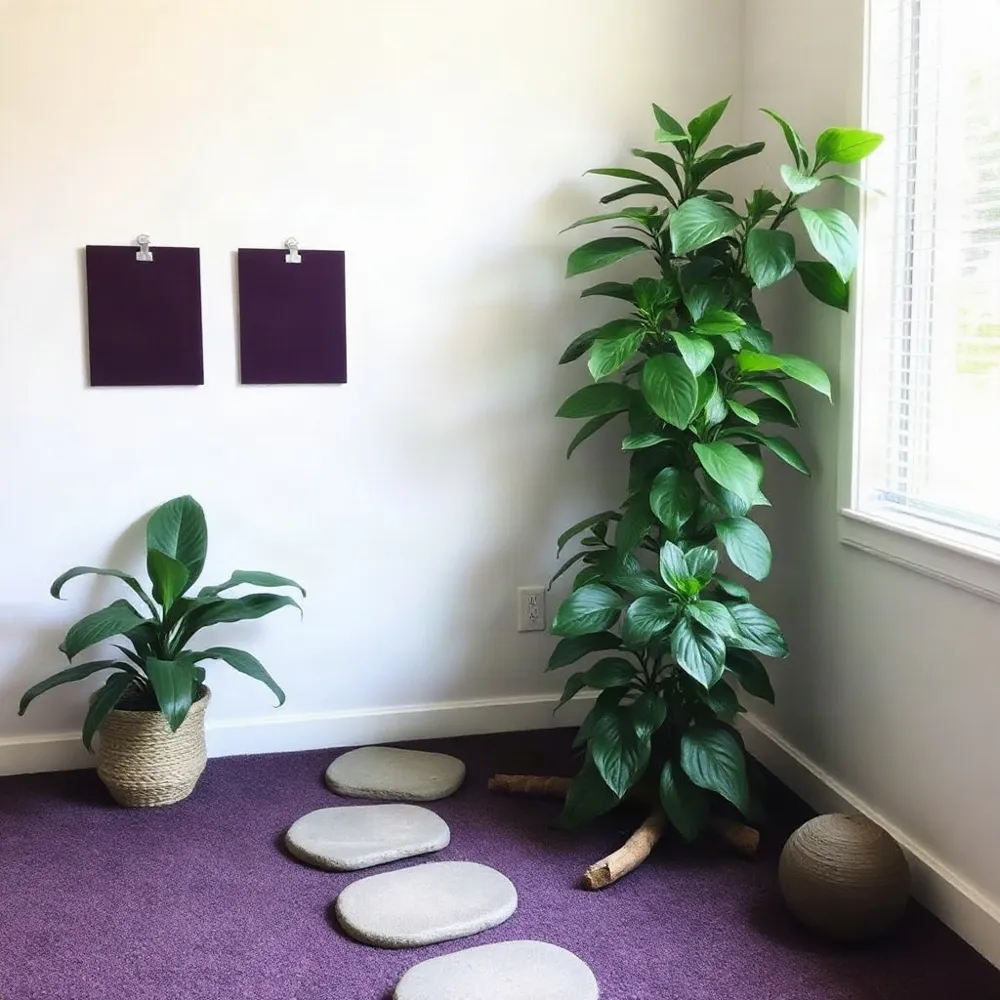 A fulfilling life with chronic pain does not depend on waiting for every symptom to disappear. Begin by discussing your health, daily demands, and priorities with a healthcare provider, then shape a care plan around what matters to you. eclipsewellness.net describes its approach as integrative and personalized, bringing conventional and holistic care together rather than treating every person’s needs as identical.
Pacing can help make activities more manageable: break tasks into smaller steps, alternate effort with planned rest, and set goals that can shift with your symptoms. Appropriate movement, sleep support, relaxation, and attention to stress or low mood may also contribute to well-being. Research links sleep and psychosocial factors with pain-related disability, though these associations do not show that any one factor causes an individual’s pain (2024 study of pain intensity and psychosocial factors).
Protecting time for a friend, a hobby, or another valued activity can support connection even when pain remains. Progress may be uneven, so a smaller step on a difficult day still counts. The UW Medicine guide to managing chronic pain likewise emphasizes safe, manageable goals and meaningful activity.
Review what is helping with your provider and adjust the plan as your symptoms, preferences, and circumstances change. Shared decisions make room for both practical limits and personal hopes, without treating a flare or a slower week as failure.
Care That Sees the Whole Person
Chronic pain is real, even when its causes are not fully explained by scans or tests. Physical conditions, nervous-system responses, emotions, sleep, and life circumstances can all shape the experience; considering these influences together does not dismiss pain or assign blame. Research also links psychosocial factors with pain-related disability, while noting that association does not prove cause (2024 study of pain and psychosocial factors).
A useful next step is an individualized assessment with a qualified clinician who can evaluate possible medical causes and discuss options that fit your health, preferences, and daily life. Mind-body practices may complement medical care, but evidence varies across approaches and conditions (NCCIH overview of mind-body approaches). Talk with your care team before changing medication or treatment.
At eclipsewellness.net, care brings conventional and holistic perspectives together through personalized health and wellness services, including pain management and mental health support. The plan that helps may change as symptoms and priorities shift. You deserve care that takes your experience seriously, respects your goals, and makes room for the combination of support that works for you.