The Shift Towards Personalized and Patient-Centered Healthcare
Overview of personalized healthcare
Personalized healthcare is an approach that tailors medical care to an individual's unique genetics, lifestyle, environment, and social factors. It involves collaborative health planning between patients and providers, leveraging tools such as genomic data, health risk assessments, and precision diagnostics. This approach fosters better patient engagement through shared decision-making and empowers patients with the knowledge and confidence to manage their health effectively.
Importance of patient empowerment
Patient empowerment means enabling individuals to actively participate in their healthcare decisions. It encompasses access to information, resources, and a supportive environment that fosters agency and self-determination. Empowered patients tend to adhere better to treatments, experience improved outcomes, and report greater satisfaction with care. Strategies include providing treatment options, guiding patients to credible educational materials, and encouraging use of digital health tools and patient portals.
Transition from reactive to proactive healthcare models
Traditional healthcare often focuses on reactive, disease-centered treatments once symptoms arise. Personalized care shifts this paradigm to proactive wellness and prevention, emphasizing early detection and intervention before disease progresses. This shift reduces complications, enhances quality of life, and lowers overall healthcare costs by preventing advanced disease states. Programs like Annual Wellness Visits and Chronic Care Management exemplify this transition, supporting continuous health monitoring and tailored interventions.
By integrating personalized care with patient empowerment, healthcare systems foster better outcomes, reduce disparities, and cultivate a more collaborative, patient-centered model of care.
Foundations of Personalized Healthcare Plans
What is personalized healthcare and what are its core pillars?
Personalized healthcare is a patient-centered approach that crafts health and wellness plans based on an individual's unique genetic makeup, lifestyle, environment, and social context. This proactive model moves beyond reactive disease treatment to emphasize early detection, prevention, and continuous engagement.
The core pillars of personalized healthcare include:
- Personalized: Tailoring treatment and prevention strategies to the patient's unique characteristics.
- Predictive: Using genetic testing and risk assessments to forecast potential health issues.
- Preventive: Focusing on early intervention and healthy lifestyle changes to avoid disease.
- Participatory: Engaging patients actively in decision-making and self-management.
This comprehensive framework helps providers and patients collaborate closely for optimized health outcomes.
How are genetics, lifestyle, and social determinants used in personalized care planning?
Healthcare providers integrate diverse data points such as genetic profiles, health history, environmental exposures, lifestyle habits, and social determinants to develop holistic and tailored care plans. Genetic testing can reveal predispositions to diseases, informing precise prevention or treatment strategies.
Lifestyle factors—like diet, physical activity, and stress levels—are addressed through personalized recommendations. Social determinants, such as access to care and community resources, are incorporated to overcome barriers and enhance adherence. This multidimensional approach ensures that care respects each patient’s context and needs.
How does early detection and prevention factor into personalized approaches?
Personalized healthcare leverages early detection tools and routine risk assessments to intervene during asymptomatic stages of disease development. By identifying risk factors early, such as elevated blood sugar or genetic vulnerabilities, providers can implement preventive measures that reduce disease burden and healthcare costs.
Preventive strategies include personalized diet and exercise plans, regular monitoring, and tailored screenings. Early intervention improves prognosis and often minimizes the need for invasive treatments. This proactive model aligns with reducing chronic disease impact and improving long-term quality of life.
How can personalized health and wellness plans improve patient outcomes?
Personalized health and wellness plans significantly enhance patient outcomes by aligning care with an individual's unique genetic, lifestyle, and social profile. This tailored approach:
- Enables early disease detection and targeted prevention
- Improves management of chronic conditions through customized strategies
- Encourages sustained patient engagement and adherence
- Addresses physical, mental, and emotional health in an integrated way
- Supports shared goal-setting and ongoing follow-up
By fostering a collaborative patient-provider partnership, personalized plans promote holistic wellness and more effective, lasting health benefits.
The Role of Patient Empowerment in Healthcare Engagement

What is Patient Empowerment and Why Does It Matter?
Patient empowerment is a philosophy centered on patients becoming active participants in their own healthcare journey. It involves equipping patients with the necessary information about their health conditions, providing access to resources, encouraging active engagement in decision-making, and fostering the agency to make informed health choices that align with their goals and values.
Empowerment is not just about knowledge but creating an environment where patients feel supported and capable of managing their care. This approach enhances medication adherence, which is crucial for managing chronic conditions and reducing hospital readmissions.
How Do Patient-Provider Partnerships Enhance Empowerment?
An essential feature of empowered care is the collaborative partnership between patients and healthcare providers. This relationship is built on trust, transparency, and mutual respect.
Shared decision-making allows patients to participate actively in their treatment plans, offering opportunities to explore various options with their providers. This process aligns health interventions with patient preferences and cultural backgrounds, reinforcing personalized care.
Ultimately, empowering patients promotes a sense of control and involvement, which motivates adherence to treatment and supports holistic healing.
What Is the Impact of Empowerment on Treatment Adherence and Outcomes?
Empowered patients generally exhibit better adherence to prescribed treatments, improving clinical outcomes and overall satisfaction with care. When patients understand their conditions and the rationale behind therapeutic choices, they are more likely to follow through with interventions and lifestyle changes.
This environment of engagement reduces the likelihood of complications, lowers healthcare costs, and supports proactive health management. Especially for chronic diseases like diabetes, empowered patients experience improved clinical results through better self-management.
Integrating patient empowerment strategies into personalized healthcare fosters a health system that is responsive to individual needs and contributes to equitable outcomes across diverse populations.
Core Principles of Integrative and Holistic Health and Wellness

What are the core principles of integrative and holistic health and wellness?
Integrative and holistic health prioritizes treating the whole person, considering the interconnectedness of mind, body, emotions, social life, and spirituality. It moves beyond just addressing symptoms to fostering overall well-being and self-healing.
This approach merges the strengths of conventional medicine with complementary therapies such as acupuncture, yoga, meditation, massage, nutritional counseling, and tai chi. These evidence-based therapies support natural healing processes and emphasize disease prevention alongside treatment.
A central tenet is the empowered partnership between patients and providers. This collaboration respects individual values and beliefs, encourages open communication, and tailors care to each person's lifestyle and preferences. It promotes active patient participation in managing their health, helping cultivate self-awareness and sustainable lifestyle changes.
Preventive strategies are integral, focusing on health promotion rather than reacting solely to illness. Providers trained in integrative approaches offer personalized plans that prioritize natural, non-invasive interventions aligned with scientific research. This fosters long-term health by teaching healthier habits and supporting emotional and mental well-being.
In sum, integrative and holistic healthcare combines comprehensive, culturally sensitive methods to empower patients, enhance quality of life, and support whole-person wellness.
Integrating Mental Health with Physical Wellness in Holistic Care
How does mental health integrate with physical wellness in holistic healthcare?
Mental and physical health are deeply interconnected in holistic healthcare approaches. Chronic stress and mental health disorders can disrupt physiological balance and weaken the immune system, leading to negative physical outcomes.
Mindfulness practices, such as meditation and yoga, alongside regular exercise, play a significant role in reducing stress and enhancing overall well-being. These methods calm the nervous system and promote resilience, which supports both mental and physical health.
Gut health is another vital component; through the gut-brain axis, a healthy digestive system influences mood and cognitive function. Maintaining optimal gut microbiome balance is an essential strategy within integrative care models.
Holistic healthcare emphasizes collaborative mental health screenings integrated with physical health evaluations to detect issues early. This approach ensures a comprehensive understanding of the patient’s condition, promoting personalized care that addresses emotional, psychological, and physical health simultaneously.
Combining these strategies fosters patient empowerment, helping individuals actively engage in their wellness journey and improving long-term health outcomes through a truly integrated mind-body approach.
Holistic Approaches for Effective Pain Management
What holistic approaches are effective for pain management?
Holistic pain management employs a variety of therapies that address the mind, body, and spirit to support healing and reduce discomfort.
Effective therapies include acupuncture, chiropractic care, and massage therapy. These hands-on techniques help relieve muscle tension, improve circulation, and promote relaxation.
Mind-body practices like yoga, Tai Chi, and mindfulness meditation reduce stress, enhance mental resilience, and improve pain tolerance.
Nutritional support, including dietary counseling and use of natural anti-inflammatory agents such as turmeric, complements these therapies to reduce pain related to inflammation.
These integrative methods empower patients by encouraging active participation in their care. Personalized pain plans combine holistic and conventional treatments, often lowering the need for medications.
Together, such approaches foster a collaborative patient-provider relationship, supporting long-term well-being and improved quality of life.
Detox Programs within Integrative Healthcare Settings
What methods are used in detox programs offered by integrative healthcare providers?
Detox programs in integrative healthcare often focus on a blend of dietary and physical interventions aimed at enhancing the body's natural cleansing processes. Dietary modifications typically emphasize the intake of organic fruits and vegetables while avoiding processed foods that can burden the body's detoxification systems. Herbal supplements, such as milk thistle and dandelion root, are commonly incorporated to support liver function and promote toxin elimination.
Physical therapies play a supportive role in detoxification by stimulating circulation and lymphatic flow. Practices like yoga and walking improve physical movement, while sauna sessions encourage sweating, an excretory route for toxins. Lymphatic drainage massages aid in flushing out waste products, and ensuring adequate rest facilitates the body's repair and cleansing mechanisms.
Because scientific evidence supporting many detox methodologies remains limited, safety and efficacy are best ensured through professional supervision. Integrative healthcare providers tailor detox programs to individual patient needs, carefully balancing benefits with potential risks. This collaborative approach fosters patient empowerment and supports patient-centered care, vital components of holistic health management within integrative medicine.
Holistic Strategies for Sustainable Weight Loss
What are effective holistic strategies for sustainable weight loss?
Sustainable weight loss is best achieved through a holistic approach that integrates personalized nutrition, regular physical activity, stress management, and lifestyle adjustments tailored to individual needs.
Personalized whole-food diets emphasize nutrient-rich options such as fruits, vegetables, lean proteins, and healthy fats. These diets are crafted collaboratively between patients and healthcare providers, respecting personal preferences and cultural considerations, fostering better adherence and patient empowerment. Exercise routines combining aerobic, strength, and flexibility training support metabolism and promote overall wellness.
Stress management is critical; techniques like mindfulness meditation, yoga, and integrative health modalities help regulate stress hormones, which otherwise can hinder weight loss. Quality sleep and proper hydration further optimize metabolism and hormonal balance. Empowered patients who actively engage in their care benefit from improved outcomes and sustained motivation.
Long-term lifestyle changes are essential for lasting results. Mindful eating practices, routine health assessments, and ongoing provider support create an environment that encourages steady, maintainable progress without reliance on quick-fix diets. Combining conventional medical guidance with integrative health modalities cultivates resilience, supports psychological well-being, and enhances physical health, ultimately leading to sustainable weight management.
Leveraging Technology to Enhance Personalized Care and Empowerment
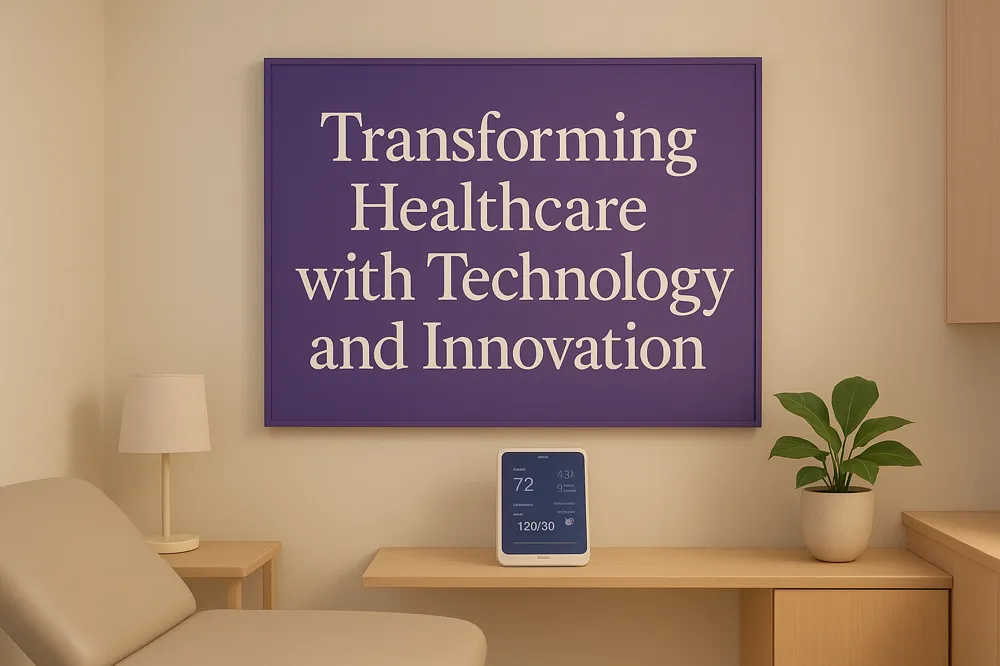
How are AI, EHRs, and wearable devices shaping personalized healthcare?
Technology forms the backbone of modern personalized healthcare by gathering and analyzing diverse individual data—genetics, lifestyle, environment, and social factors—to generate customized health plans. Electronic Health Records (EHRs) centralize patient information, allowing providers to create a holistic picture of health risks and ongoing care needs.
Artificial Intelligence (AI) complements this by processing large health datasets to identify patterns predicting disease progression or treatment response. This predictive capability supports earlier interventions and tailored therapies, shifting care from reactive to preventive.
Wearable devices continuously monitor vital signs and daily activity, enabling real-time health tracking and rapid detection of changes. This data empowers patients and providers to adjust treatments proactively.
What role do telepharmacy and virtual health coaching play?
Telepharmacy expands access to personalized medication management, especially in underserved or remote regions. Pharmacists offer detailed virtual consultations, adjusting therapies based on comprehensive patient data and improving medication adherence.
Virtual health coaches collaborate with patients to establish achievable wellness goals, provide education tailored to individual needs, and maintain consistent follow-up. This ongoing support nurtures active participation and self-management.
How do patient portals and digital tools empower patients?
Patient portals and digital health tools offer convenient access to electronic health records, test results, appointment scheduling, and secure messaging with care teams. They promote transparency, enabling patients to understand their health and engage in shared decision-making.
Digital health tools and apps help track chronic conditions, medication routines, and lifestyle changes. By providing reminders and educational content, these tools foster informed, confident healthcare choices.
Together, these technologies create a participatory environment where patients feel informed, supported, and in control, ultimately enhancing treatment outcomes and satisfaction.
Addressing Health Disparities through Culturally Tailored Personalized Care

What challenges do racial and ethnic minorities face regarding patient activation and empowerment?
Racial and ethnic minorities often experience lower levels of patient engagement in healthcare, influenced by systemic barriers and cultural differences. These challenges can lead to health disparities in patient activation, as patients may have less confidence or knowledge to manage their healthcare effectively.
How do community-based culturally sensitive programs help?
Culturally-tailored community health programs play a vital role in engaging minority populations by respecting unique cultural values and communication styles. These programs empower patients through education, support networks, and resources that align with their cultural background, enhancing understanding and active patient participation in healthcare decisions.
Why is the patient-provider relationship improvement important?
A trusting and respectful collaborative patient-provider relationship is crucial for all patients but especially for minorities who may face additional challenges in care access and communication. Improved relationships foster open dialogue, enhance shared decision-making in health systems, and build confidence, thereby promoting patient empowerment and activation.
Tailoring personalized healthcare strategies with cultural sensitivity not only improves individual health outcomes but also addresses broader health disparities in healthcare. Integrating community engagement with healthcare system reforms ensures that empowerment efforts are meaningful, patient-centered, and equitable.
The Transformative Impact of Personalized Healthcare on Patient Empowerment and Outcomes
Personalized and Integrative Approaches
Personalized healthcare tailors treatment plans to an individual's genetic profile, lifestyle, and environment, shifting the focus from reactive disease management to proactive wellness and prevention. Integrative medicine complements this by addressing the whole person—mind, body, and spirit—through coordinated conventional and complementary therapies like acupuncture, meditation, and nutrition counseling.
Importance of Empowerment for Improved Health
Patient empowerment plays a crucial role in achieving better health outcomes by fostering knowledge, active engagement, and shared decision-making between patients and providers. Empowered patients have greater control over their care, leading to improved adherence to treatment, reduced hospitalizations, and enhanced satisfaction. Tools such as patient portals and personalized digital resources support this empowerment.
Future Directions for Holistic and Patient-Centered Care
The future of healthcare is moving toward integrated, culturally sensitive models that combine precision medicine, community support, and holistic approaches. Emphasizing partnership and personalized strategies, these models aim to reduce health disparities while promoting wellness. Advances in technology, data analytics, and telemedicine will facilitate more inclusive, accessible, and effective patient-centered care.