

Why Real‑Time Dashboards Matter Today
The Expanding Role of RPM
The remote patient monitoring market reached $5.2 billion in 2023 and is projected to grow at 18.6% annually through 2030. Live data visualization delivers measurable benefits: 65% fewer hospital admissions, 72% fewer ER visits, and a 43% increase in nurse time for direct patient care. Color-coded dashboards help clinicians detect early signs of deterioration, enabling timely interventions that save lives.
For patients, seeing real-time trends in their vitals fosters engagement and self-confidence. They become active partners in their care journey.
These dashboards also align with integrative and holistic health models. Beyond conventional vitals, they can display sleep quality, stress levels, mindfulness practices, and social connection—supporting mind-body awareness and personalized treatment plans.
The Rise of Real‑Time Health Dashboards
 The remote patient monitoring (RPM) market reached $5.2 billion in 2023 and is projected to grow at 18.6% CAGR through 2030. Real‑time health dashboards are central to this expansion, providing clinicians immediate access to vital signs and trends. This speed enables early interventions—reducing hospital admissions by 65% and emergency visits by 72%—while supporting patient‑centered, holistic care.
Beyond clinical speed, dashboards integrate clinical, wellness, and lifestyle data to guide personalized treatment. Public‑health examples include the AHRQ Network of Patient Safety Databases and WHO dashboards (Global Digital Health Monitor, Tuberculosis platform), which offer interactive visualizations for tracking disease burdens and health system performance. Synthetic datasets on Kaggle further support education and predictive modeling. These resources empower practitioners and patients alike, fostering informed decision‑making and empathetic, integrative care.
Integrating Wearables and FDA‑Approved RPM Devices

Vitaliti™ and Other FDA‑Cleared Wearables
The Vitaliti™ wearable represents a new wave of FDA‑cleared devices that track five vital signs plus raw ECG, PPG, and accelerometer data—empowering patients and clinicians with continuous, real‑time insights. Unlike spot‑checks, these tools support early detection and personalized adjustments, aligning with integrative care that values mind‑body connection.
Categories of Monitoring Devices
Remote patient monitoring (RPM) devices fall into three categories: physiological monitors (blood pressure cuffs, glucometers, pulse oximeters), non‑invasive wearables (ECG patches, the Medtronic BioButton®), and implantable systems (CardioMEMS, pacemakers). Each serves chronic conditions like hypertension, diabetes, or heart failure, enabling holistic, home‑based care.
Regulatory Pathways
Most RPM devices gain FDA clearance through the 510(k) process, demonstrating substantial equivalence to a predicate device. During the COVID‑19 pandemic, Emergency Use Authorizations (EUAs) accelerated access to new tools—expanding remote monitoring for both acute and chronic care while maintaining patient safety.
Designing User‑Centric Dashboards
Healthcare Dashboard Examples
Usability studies guide effective design. RemoteHealthConnect, a dashboard integrating Vitaliti™ wearable data, achieved a System Usability Scale (SUS) score of 71.5—above the health‑tech average. Participants praised its radial charts for each vital sign and a 24‑hour radial bar chart, with 70% finding the color‑coding (green for normal, yellow for warning, red for danger) intuitive. This example shows how visual clarity reduces cognitive load and speeds clinical decisions.
Healthcare Executive Dashboard
An executive dashboard consolidates KPIs like patient satisfaction and revenue. Best practices include role‑based views, customizable alerts, and drill‑down into granular data. For integrative care, such dashboards can combine pain management, mental health, and detox metrics. Prioritizing clarity over complexity ensures leaders act on actionable insights without data overload.
Dashboard in Healthcare
At its core, a healthcare dashboard aggregates data from EHRs, wearables, and labs into a unified view. User‑centric principles—co‑design with clinicians, accessible interfaces, and integration with existing workflows—drive adoption. RemoteHealthConnect’s condition‑specific tabs (cardiovascular, respiratory) exemplify how personalization supports holistic, patient‑centered care.
Condition‑Specific Monitoring for Holistic Care
Patient monitoring dashboard
A patient monitoring dashboard provides a real‑time, unified view of vital signs, sleep, activity, lab results, and self‑reported symptoms. For integrative care, condition‑specific tabs—such as cardiovascular, respiratory, and activity—allow clinicians to focus on relevant data at a glance. By seamlessly integrating clinical metrics (e.g., blood pressure, HbA1c) with wellness data (sleep duration, step counts) and patient‑reported outcomes (pain scales, mood), the dashboard eliminates silos and supports personalized, whole‑person treatment plans for pain management, mental health, detox, and weight loss.
Patient experience dashboard
A patient experience dashboard tracks satisfaction scores, wait times, and visit duration across departments, often integrating HCAHPS survey data. For an integrative practice, it helps detect declining trust early and uncover operational bottlenecks. This real‑time insight enables care teams to make targeted improvements, fostering a healing environment that respects the mind‑body connection and supports long‑term patient relationships.
Operational and Management Dashboards
Healthcare Management Dashboard
A healthcare management dashboard aggregates real‑time data from electronic health records, billing systems, and patient check‑ins, offering a unified view of operations. For an integrative wellness provider, this dashboard tracks patient volume, staff utilization, bed occupancy, treatment costs, and readmission rates—allowing you to see how resources align with personalized care in pain management, mental health, detox, and weight‑loss programs. By surfacing capacity issues early, it helps improve patient flow and frees up time for meaningful interactions. This live command center supports patient‑centered decisions that balance clinical, financial, and administrative performance.
Healthcare Dashboard Templates Free Download
You can find free healthcare dashboard templates on platforms like UI Bakery, BootstrapDash, and Freepik. These cover patient data management, appointment scheduling, hospital performance, and resource utilization. UI Bakery offers a customizable template for healthcare data analysis; BootstrapDash provides clinic management options like Plus Admin and Star Admin 2. Freepik also hosts free vector and PSD designs for medical admin panels. Most templates are ready to adapt to your existing systems, making it easier to implement key performance indicators for staff and finance without starting from scratch.
Remote Monitoring Impact on Clinical Outcomes
Remote patient monitoring in healthcare
Remote patient monitoring (RPM) uses digital devices like wearables and blood pressure cuffs to track health data outside clinics. The RemoteHealthConnect system, tested with 30 participants, achieved a System Usability Scale score of 71.5—above the health-tech average. 70% found its radial chart intuitive, and 70% liked its color-coded alarms. Studies show RPM reduces hospital admissions by 65% and emergency room visits by 72%, enabling proactive, personalized care that aligns with integrative wellness goals.
What is remote patient monitoring
RPM collects real-time vitals such as heart rate, oxygen saturation, and temperature via sensors. It increases nurses’ direct patient care time by 43.11% and improves patient safety perceptions for 89% of healthcare professionals. Continuous monitoring helps detect deterioration early, supporting patient-centered management of chronic conditions like diabetes and heart disease without requiring in-person visits.
Remote patient monitoring companies
Leading RPM companies include Tenovi, HealthArc, and Bold BI, which provide secure dashboards for aggregating data from multiple devices. These platforms integrate with EHR systems, offer customizable alerts, and handle device logistics, empowering holistic providers to deliver continuous, data-driven care at scale.
Data Integration, Security, and Interoperability
Secure Data Integration and Standards
Healthcare dashboards gain their power by securely merging data from wearables, EHRs, and lab systems. Interoperability standards like HL7 FHIR ensure that vital signs, lab results, and patient history flow seamlessly into a single view, supporting personalized treatment plans. HIPAA compliance mandates encryption for all data transmission, whether over Wi‑Fi, Bluetooth, or cellular networks, safeguarding sensitive health information as it moves from patient devices to clinician dashboards.
Role-Based Security and Audit Logging
To protect patient privacy while enabling collaborative care, dashboards enforce row-level security—clinicians see only their assigned patients, while administrators manage broader trends. Every access and data change is recorded in audit logs, creating a transparent trail for compliance. This layered security empowers integrative providers to offer personalized dashboards that track not only vitals but also lifestyle metrics, fostering trust and patient engagement in holistic wellness journeys.
Future Trends: AI, Predictive Analytics, and Personalized Care
Patient monitoring devices examples
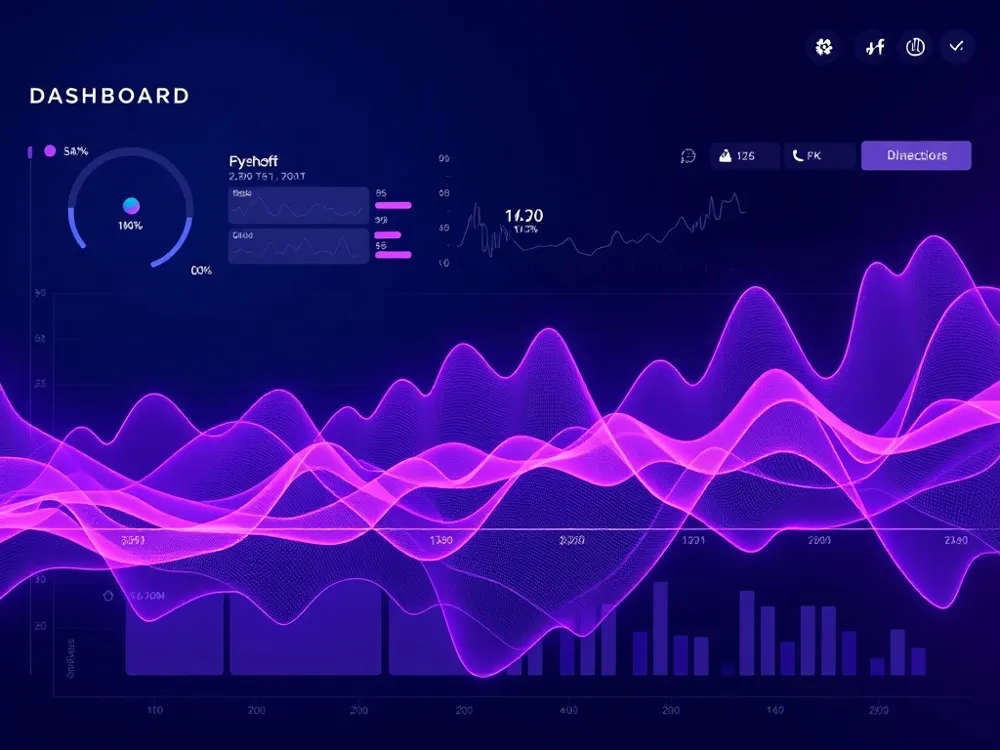
Blood pressure cuffs, glucometers, pulse oximeters, and ECG monitors are common tools for home-based health tracking. Future systems will enhance these with AI-driven predictive alerts that detect deterioration early. For emergency departments, ARIMA and LSTM forecasting models predict patient volumes, enabling proactive resource management. Generative AI will analyze unstructured clinical notes to uncover patterns and personalize care plans. Dashboards aggregating these data will use intuitive visualizations—such as radial charts and color-coded thresholds—to reduce cognitive load. This integration of conventional metrics with holistic, patient-centered strategies empowers individuals to manage chronic conditions proactively. By enabling early interventions, these innovations reduce hospitalizations and improve quality of life, aligning with integrative medicine's emphasis on mind-body connection and self-awareness. Patients gain confidence through real-time feedback, while clinicians deliver more personalized, effective care.
Implementing Dashboards in an Integrative Practice
Co‑design with clinicians and patients
Effective dashboards for integrative care emerge from collaboration. Clinicians from multiple disciplines—nursing, nutrition, movement therapy—co‑define KPIs that blend lab values with wellness metrics like sleep quality or emotional state. In a study with chronic care teams, a two‑level dashboard (summary and detailed views) proved essential for shared decision‑making. Patients also contribute by choosing which personal health trends (e.g., stress scores or steps) appear on their view, fostering engagement and mind‑body awareness. Free templates from platforms like UI Bakery or BootstrapDash can kick‑start prototyping, but the final interface should reflect the practice’s unique patient‑centered philosophy.
Step‑by‑step deployment roadmap
Start with a pilot focusing on one chronic condition (e.g., hypertension). Map data sources—wearables, EHRs, patient‑reported outcomes—and ensure HL7 FHIR interoperability. Select a HIPAA‑compliant platform (e.g., Tenovi or Bold BI) that supports role‑based views. Run a 4‑week test with 5–10 patients and collect feedback using the System Usability Scale (SUS). Refine visualizations like radial charts or color‑coded alerts before scaling to additional conditions and care teams.
Training, change management, and continuous improvement
Staff adoption hinges on hands‑on training that highlights time‑saving features—real‑time alerts, automatic documentation. Use co‑designed quick‑reference guides and dedicate super‑users for peer support. Address resistance by showing how dashboards reduce data entry burden and free up time for direct patient care. Establish a quarterly review cycle where clinicians and patients suggest new metrics (e.g., mindfulness scores or heart rate variability) and retire underused ones. Continuous improvement ensures the dashboard evolves with the practice’s holistic, personalized care model.
The Path Forward for Personalized, Real‑Time Care
Synergy of RPM, AI, and Dashboards
The fusion of remote patient monitoring (RPM), artificial intelligence, and real‑time dashboards creates a continuous feedback loop. Wearables transmit vital signs to cloud‑based platforms, where AI algorithms detect early warning trends. Custom visualizations—color‑coded ranges and radial charts—present this data intuitively, enabling clinicians to intervene before a crisis occurs. This integrated approach transforms raw biometric streams into actionable, holistic insights.
Empowering Patients and Clinicians Alike
Personalized dashboards put health data directly into patients’ hands, fostering self‑awareness and motivation. Studies show that patients who track their metrics, from sleep to blood pressure, adhere better to lifestyle changes. For clinicians, role‑based views reduce cognitive load, flagging only relevant alerts. This shared visibility strengthens the therapeutic partnership and supports informed, collaborative decision‑making.
Sustaining Integrative, Holistic Health Outcomes
By combining biomedical metrics with wellness data—stress levels, activity, sleep quality—dashboards support truly personalized care. Continuous monitoring reduces hospital readmissions and emergency visits while empowering patients to manage chronic conditions proactively. When paired with mindful self‑care tools and community support, real‑time dashboards help sustain long‑term improvements, honoring the mind‑body connection at the core of integrative health.