Why One‑On‑One Coaching Matters
One‑on‑one coaching translates evidence‑based behavior‑change tools—like motivational interviewing and goal‑setting—into a personalized plan that respects each client’s values and life context. By weaving nutrition, movement, stress‑reduction, and mindfulness into a single integrative framework, the coach helps break the inertia of old habits and build sustainable, mind‑body routines that support lasting health and overall well‑being today.
The Science Behind Personalized Health Coaching
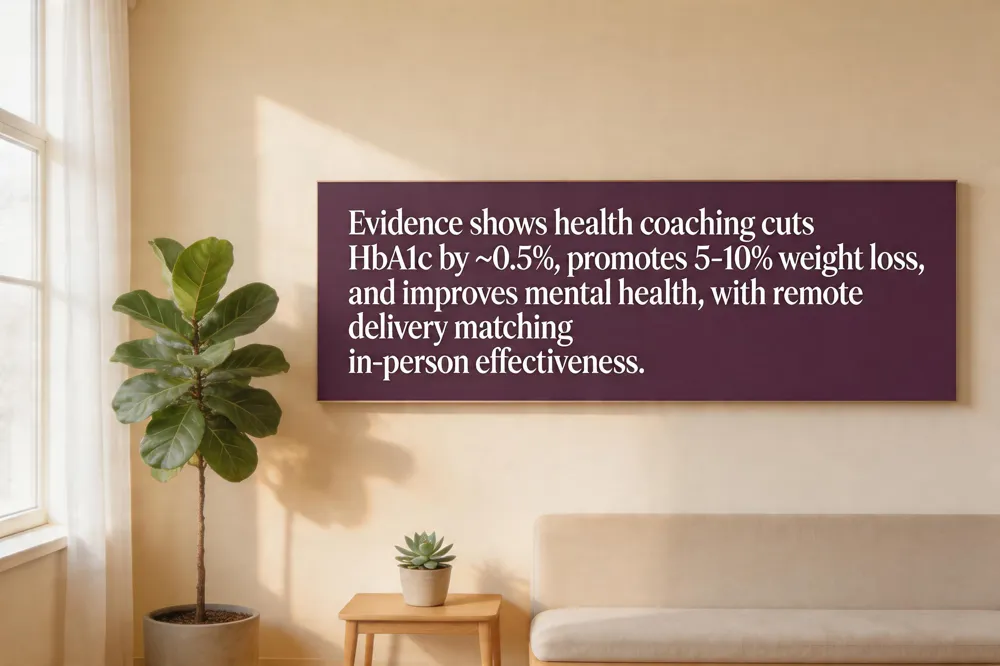 Personalized health coaching blends evidence‑based behavior‑change techniques with a whole‑person view of wellness. Systematic reviews of randomized trials consistently show clinically meaningful gains: coaching lowers HbA1c by ~0.5 % in type 2 diabetes, drives 5‑10 % body‑weight loss, and lifts mental‑health scores by 15 % in chronic‑pain cohorts. Over 100 studies reported in a 2025 scoping review confirm improvements in physical activity, diet adherence, and remote disease monitoring, with telephone or video delivery the most common modality.
Core methods such as motivational interviewing and positive‑psychology framing are key drivers. These approaches elicit personal reasons for change, resolve ambivalence, and focus on strengths, resulting in higher intrinsic motivation and sustained habit formation.
Digital and tele‑health platforms expand access. Remote coaching via phone, video, or mobile apps retains effectiveness comparable to in‑person sessions, allowing real‑time feedback, habit‑tracking, and continuous accountability—features highlighted by programs like EHE Health Coaching, Mindful Wellness, and the Mayo Clinic’s integrative model.
Health‑coaching legitimacy is underscored by rigorous research, professional certifications (e.g., NBHWC, IIN), and integration into clinical teams, ensuring that personalized coaching remains a trustworthy, patient‑centered pillar of modern integrative care.
Integrative Medicine & Holistic Care Explained
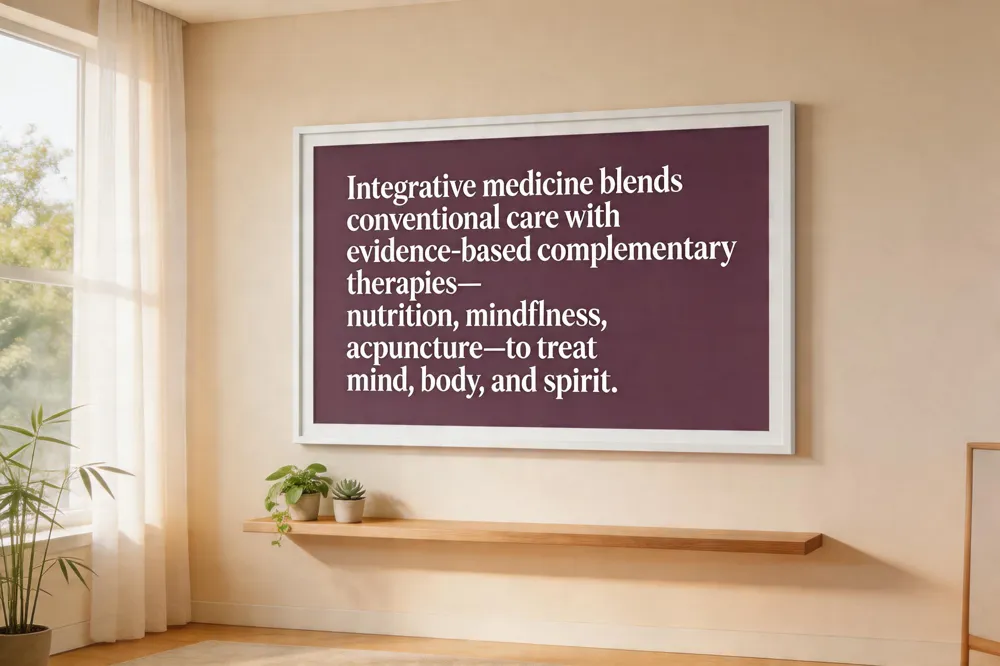 Integrative medicine embraces a whole‑person focus, blending conventional, evidence‑based treatments with complementary modalities such as nutrition counseling, mindfulness, acupuncture, and yoga. The goal is to treat the mind, body, and spirit as interconnected, addressing root causes of illness while supporting the patient’s values and lifestyle.
Specialist credentials and doctor status: An integrative medicine specialist is a licensed physician (MD or DO) who has completed additional fellowship training or board certification in integrative health, often through the American Board of Integrative Medicine (ABOIM). This extra certification confirms expertise in both conventional medicine and complementary therapies, allowing the doctor to prescribe medication, order tests, and integrate lifestyle‑focused interventions.
Key organizations and insurance considerations: Major U.S. bodies include the American Board of Integrative Medicine, the Institute for Functional Medicine, the National Center for Complementary and Integrative Health, and the Academy of Integrative Health and Medicine. Insurance coverage varies; many plans reimburse evidence‑based services such as acupuncture, massage, chiropractic, and nutritional counseling when provided by licensed clinicians and deemed medically necessary, while supplements and purely wellness‑oriented therapies are often excluded.
Integrative Medicine near me – Search directories like Healthgrades, Zocdoc, or the Integrative Medicine Network using your city or ZIP code. Verify each clinic’s services, patient reviews, and insurance acceptance before scheduling a brief consultation.
Is an integrative medicine specialist a doctor? – Yes. They are MDs or DOs with additional training and board certification in integrative health, allowing them to prescribe medication and order tests while also incorporating complementary therapies.
What does integrative wellness mean? – It is a personalized, whole‑person approach that combines conventional medicine with evidence‑based complementary therapies (nutrition, yoga, mindfulness, etc.) to prevent disease, manage chronic conditions, and promote healing across physical, mental, emotional, and social dimensions.
Integrative Medicine organizations – Key groups include the American Board of Integrative Medicine, the Institute for Functional Medicine, the National Center for Complementary and Integrative Health, and the Academy of Integrative Health and Medicine, all of which provide certification, education, and advocacy for holistic care.
Examples of integrative therapies – Acupuncture, aromatherapy, meditation, yoga, tai chi, mindfulness training, massage therapy, chiropractic, and herbal or nutritional supplementation are commonly integrated with standard medical care.
Is integrative medicine covered by insurance? – Coverage depends on the insurer and plan. Many major payers reimburse evidence‑based services (e.g., acupuncture, nutritional counseling) when medically necessary, but supplements and purely wellness‑oriented therapies are often excluded. Always confirm coverage and obtain pre‑authorizations to avoid unexpected costs.
Choosing a Health Coach: Cost, Credentials, and Certification
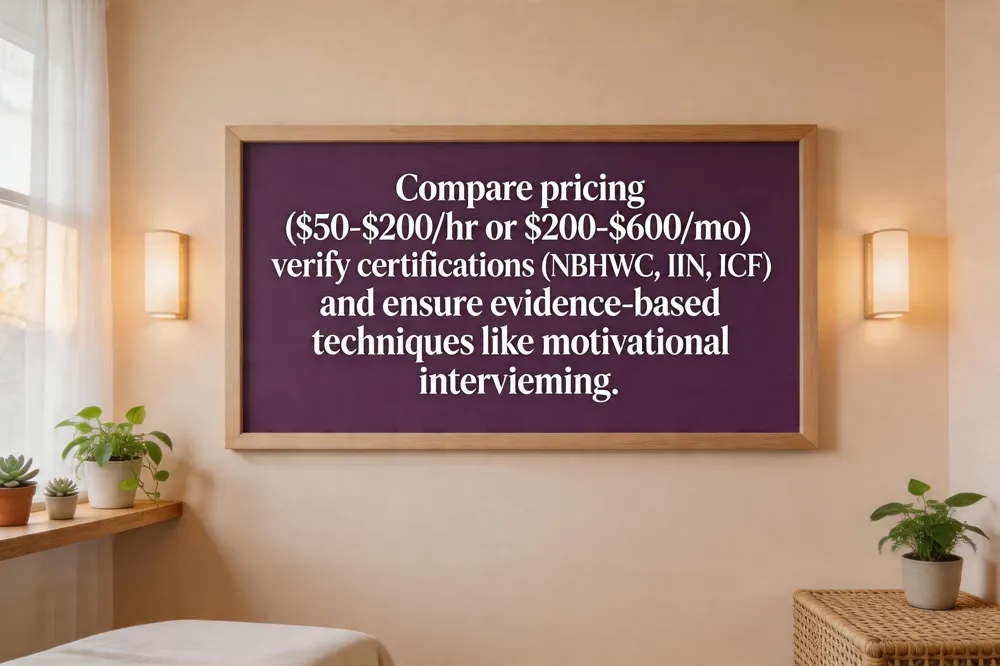 When you begin looking for a holistic health coach, start by comparing pricing models. Many coaches charge $50‑$200 per hour, while monthly packages—often 4‑6 sessions plus email support—run $200‑$600. Premium programs that span three to six months and include frequent check‑ins, personalized plans, and supplemental resources can cost $1,000‑$5,000. Prices vary by coach experience, specialty (e.g., pain management, weight loss), and delivery mode (in‑person vs. virtual).
Accredited certification pathways give you confidence in a coach’s training. Recognized credentials include the International Board for Health & Wellness Coaching (NBHWC) Certified Health and Wellness Coach, the Institute for Integrative Nutrition (IIN) Health Coach Certification, and the International Coaching Federation (ICF) Level 1/2 credentials offered through the Holistic Coach Training Institute. Programs approved by NBHWC—such as Toivoa Coaching Academy, Noom, and YogaX at Stanford Psychiatry—meet national standards and prepare coaches for the board exam.
To evaluate legitimacy and fit, verify the coach’s credentials, ask for client testimonials, and confirm that they use evidence‑based techniques like motivational interviewing and habit‑stacking. Ensure their philosophy aligns with your goals, whether you need stress‑reduction, nutrition guidance, or chronic‑pain support, and check that they practice within the scope of their training and any relevant state regulations.
Practical Strategies for Sustainable Lifestyle Change
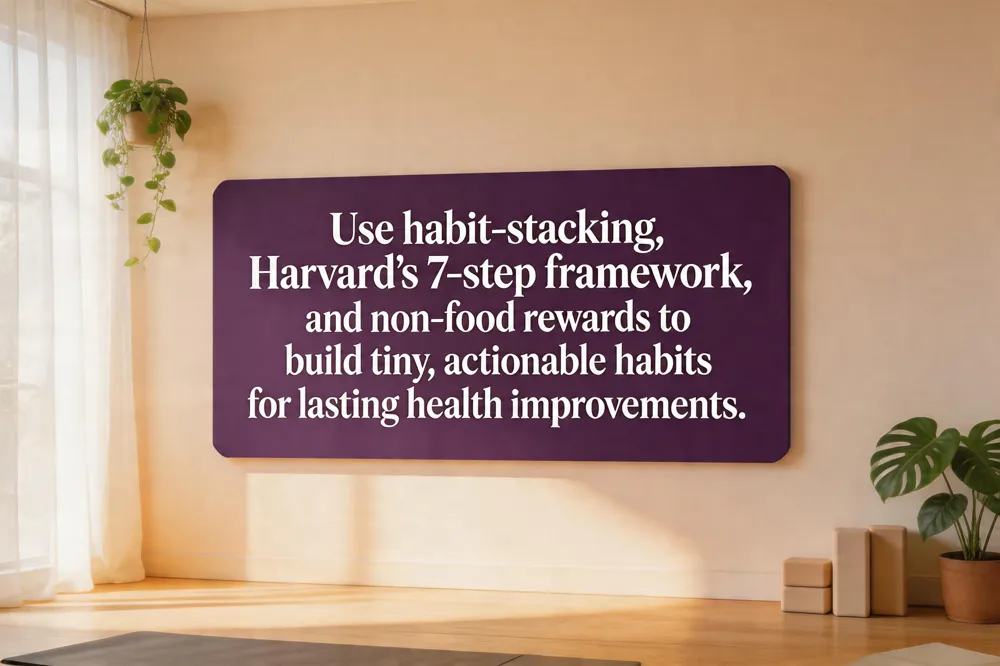 Successful long‑term health improvement begins with tiny, actionable steps that can be layered through habit‑stacking. For example, pairing a 10‑minute walk after lunch with a brief mindfulness breath‑focus creates a repeatable cue that reinforces both activity and stress reduction. Harvard Health’s seven‑step framework—select a meaningful goal, ask a big question, pick a specific change, commit, scout obstacles, brainstorm solutions, and plan a reward—provides a clear roadmap for turning large aspirations into daily actions.
Accountability and non‑food rewards keep momentum alive; a short‑term journal entry, a supportive text from a coach, or a new workout‑gear treat after a milestone all reinforce progress. The seven pillars of coaching—active listening, goal setting, questioning, feedback, confidentiality, adaptability, and continual development—guide coaches in delivering personalized, evidence‑based support that aligns with integrative, holistic models.
10 ways to maintain a healthy lifestyle
- Eat a plant‑rich, balanced diet; 2. Limit added sugars, salt, and processed foods; 3. Stay well‑hydrated; 4. Get 7‑9 hours restorative sleep; 5. Exercise ≥150 minutes moderate activity weekly; 6. Practice mindfulness or meditation; 7. Foster social connections and break up sitting; 8. Schedule routine health check‑ups; 9. Avoid tobacco and limit alcohol; 10. Protect skin with sunscreen and maintain oral hygiene.
Integrative Medicine organizations
Key U.S. bodies include the American Board of Integrative Medicine, Integrative Medicine for Mental Health, Society for Integrative Oncology, National Center for Complementary and Integrative Health, Academy of Integrative Health and Medicine, Institute for Functional Medicine, and academic centers such as Jefferson Health’s Marcus Institute of Integrative Health.
Integrating Coaching Into Clinical Programs
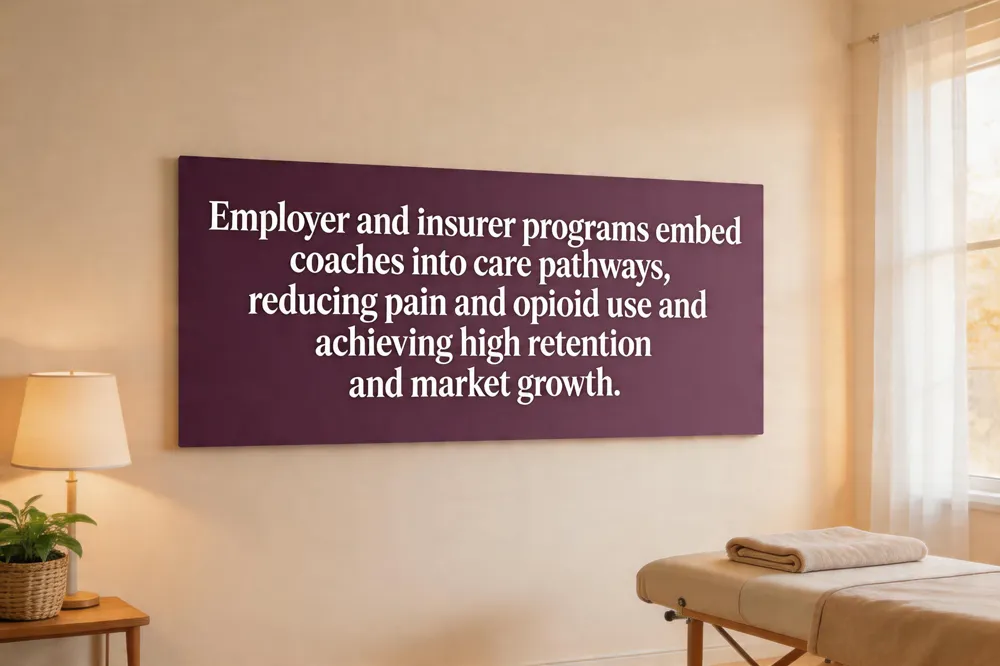 Employer‑ and insurer‑backed coaching programs such as EHE Health Coaching, Atrium Health’s Lifestyle Coaching, and Personify Health’ member‑driven service illustrate how organizations embed personalized support into routine care. EHE offers unlimited one‑on‑one video or phone sessions with registered dietitians and mental‑health professionals at no extra cost, while Atrium Health pairs biometric screening with custom health plans and a personal portal. Personify’s NCQA‑certified coaches deliver on‑demand guidance that blends nutrition, stress‑reduction, and work‑life balance.
Multimodal pain‑management and chronic‑disease pathways increasingly rely on health coaches to coordinate nutrition, mindfulness, gentle movement (yoga, tai chi), and behavior‑change techniques. Studies show a 20‑30 % reduction in pain intensity and a 15 % drop in opioid use when coaching is combined with conventional therapy.
Real‑world outcomes reinforce these benefits. EHE members report a 46 % improvement in stress scores after three calls, and Atrium Health participants have collectively lost 1,630 lb while lowering glucose and blood pressure. Personify’s data indicate 56 % of members maintain or improve BMI after three or more coaching interactions. Industry data report 78 % client‑retention and a projected $1.2 billion U.S. market by 2028, highlighting rapid growth.
Your Next Steps: Finding Support and Staying On Track
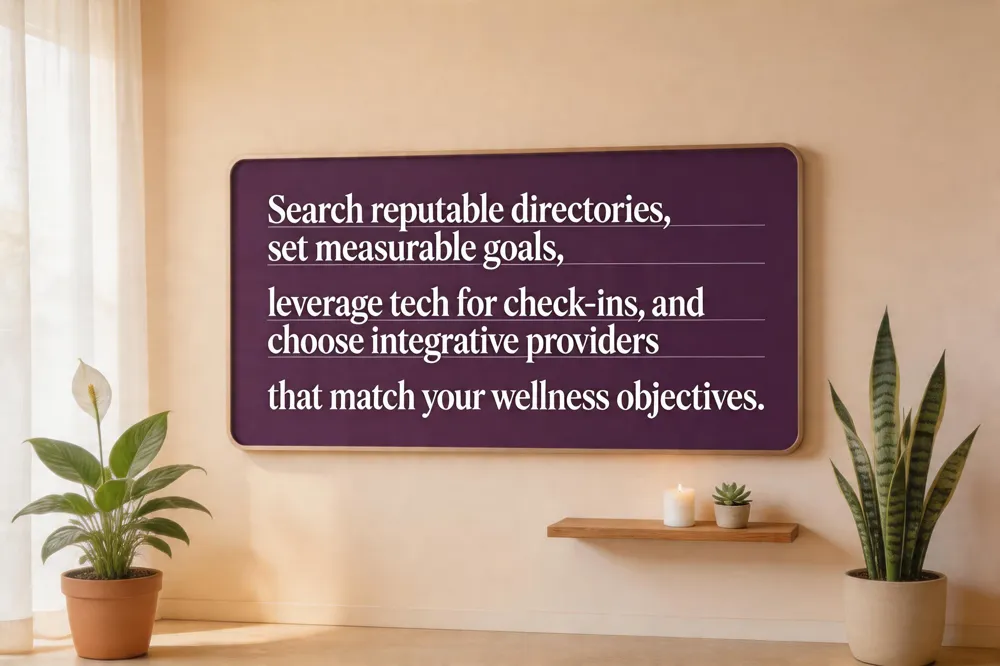 Finding an integrative provider begins with reputable online directories—search the Integrative Medicine Network, the American Board of Integrative Medicine, or platforms like Healthgrades and Zocdoc for “integrative medicine” plus your city or ZIP code. Review each clinic’s service list (e.g., acupuncture, yoga, nutrition counseling, stress‑reduction), read patient testimonials, and confirm insurance or payment options before scheduling a brief introductory visit to ensure alignment with your goals.
Setting measurable, time‑bound goals – Use the evidence‑based framework championed by Harvard Health and the Clinical Effectiveness of Lifestyle Health Coaching: pick a clear, personally meaningful goal, break it into tiny actions (e.g., a 10‑minute walk), write it down, and assign a deadline. Track progress with simple metrics (weight, step count, sleep hours) and reward yourself with non‑food incentives to reinforce habit formation.
Leveraging technology and follow‑up – Many programs (EHE Health Coaching, Mindful Wellness, Transform) offer phone/video sessions, mobile apps for daily check‑ins, and wearable sync for real‑time feedback. Regular virtual or in‑person check‑ins provide accountability, enable adaptive goal revision, and sustain long‑term adherence, as shown in multiple systematic reviews.
Integrative Medicine near me Start by searching online directories such as the Integrative Medicine Network, the American Board of Integrative Medicine, or health‑care platforms like Healthgrades and Zocdoc, entering “integrative medicine” plus your city or ZIP code. In Oklahoma City you’ll find INTEGRIS Health Cancer Institute’s Integrative Medicine program, which blends conventional care with acupuncture, yoga, nutrition counseling and stress‑reduction techniques. Nearby in Lawton, providers such as Balance Hormone Center, The Holistic Center, and Functional Medicine Center offer personalized, whole‑person services that include detoxification, hormone therapy, and chronic‑pain management. Check each clinic’s website for specific services, read patient reviews, and verify that they accept your insurance or offer flexible payment options. Finally, schedule a brief consultation to ensure the practitioner’s approach aligns with your wellness goals and preferred modalities.
Health coaching articles Recent peer‑reviewed research on health coaching can be found in journals such as American Journal of Lifestyle Medicine and Journal of Integrative Medicine. Large systematic reviews—like the 2023 rapid review in American Journal of Lifestyle Medicine—summarize evidence on sustained behavior‑change gains after coaching interventions. The Department of Veterans Affairs’ “Effectiveness of Health Coaching” report (2017) and the International Coach Federation blog also provide valuable summaries and practical insights. For the latest studies, search PubMed or the NCBI Bookshelf using keywords “health coaching,” “wellness coaching,” and “behavior change.” These sources offer both clinical outcomes (e.g., HbA1c, weight) and behavioral measures (e.g., physical activity, diet adherence) relevant to integrative, holistic care.
Putting It All Together
Evidence‑based coaching yields measurable gains—weight loss, better blood pressure, and improved mood. Integrative whole‑person programs blend medicine, nutrition, mindfulness, and movement, now widely available. Begin with tiny steps, track progress, and let a qualified coach keep you accountable for success.