Introducing a Path to Wellness
In this spotlight we meet a patient whose journey illustrates the power of integrative, personalized care. After years of chronic fatigue and mold‑related symptoms, she turned to a functional‑medicine clinic that combined conventional diagnostics with gut‑microbiome testing, detox protocols, nutrition counseling, acupuncture, and mindfulness training. The collaborative team—nurse practitioner, dietitian, and mental‑health therapist—crafted a tailored plan that addressed environmental toxins, hormonal balance, and stress resilience. By sharing her story, we aim to show how a whole‑person approach can restore health, empower patients, and inspire others to seek balanced, evidence‑based wellness.
The Journey Begins: Understanding Chronic Disease and the 5 C’s
Key Frameworks
| Framework | Core Elements |
|---|---|
| 5 C’s (Disease Impact) | Complexity, Chronicity, Comorbidity, Cost, Caregiver Burden |
| 4 C’s (Primary Care) | First Contact, Continuity, Comprehensive Care, Care Coordination |
| 7 Domains (Integrative Health) | Sleep, Resiliency, Environment, Movement, Relationships, Spirituality, Nutrition |
| 3 C’s (Integrative Care) | Communication, Coordination, Collaboration |
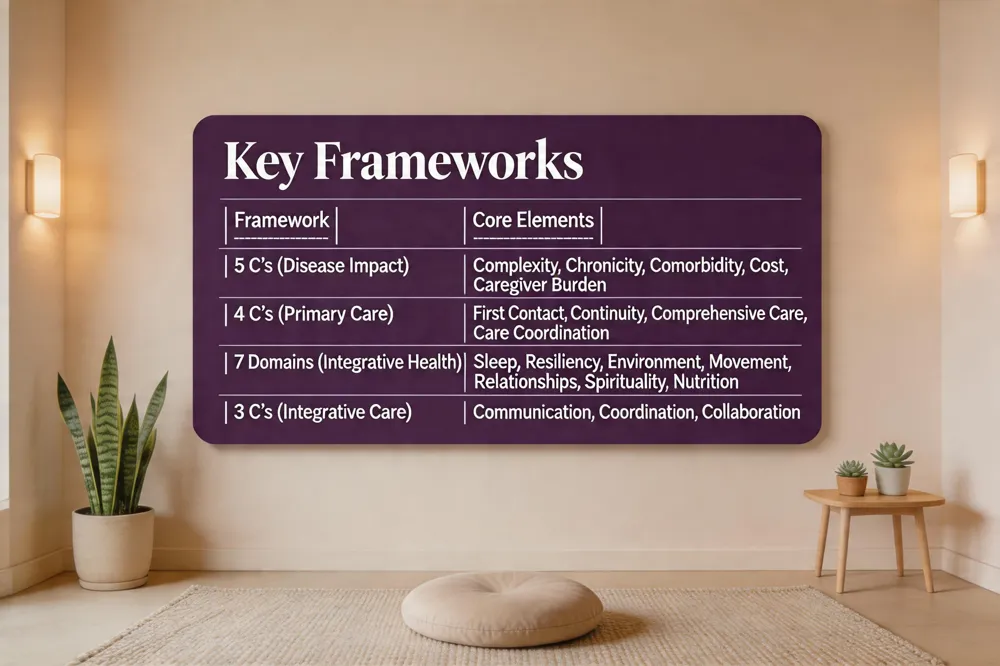 Chronic disease refers to long‑lasting health conditions—such as diabetes, heart disease, or arthritis—that last for months or years and often require ongoing management. Its impact is captured by the 5 C’s: complexity (multiple symptoms, treatments, and specialists), chronicity (persistent, lifelong nature), comorbidity (co‑existing health problems), cost (financial strain of care), and caregiver burden (emotional and physical load on family or professional supporters). Effective management follows the 4 C’s of primary‑care: first contact (timely access), continuity (ongoing coordinated follow‑up), comprehensive care (preventive, curative, rehabilitative, and palliative services), and care coordination (linking providers and community resources). Integrative health expands the view to seven domains—sleep, resiliency (stress management), environment, movement, relationships, spirituality, and nutrition—recognizing that each influences overall well‑being. Finally, the 3 C’s of integrative care—communication, coordination, and collaboration—ensure that all members of a patient’s care team share information, align goals, and work together to deliver truly whole‑person, personalized treatment.
Empowerment in Action: Why Patient Empowerment Matters
Patient Empowerment Benefits
| Benefit | How It Improves Outcomes |
|---|---|
| Better Adherence | Patients follow treatment plans more consistently |
| Lower Anxiety | Knowledge and control reduce stress |
| Higher Satisfaction | Shared decision‑making fosters trust |
| Reduced Hospital Visits | Proactive self‑management prevents complications |
| Cost Savings | Fewer unnecessary procedures and admissions |
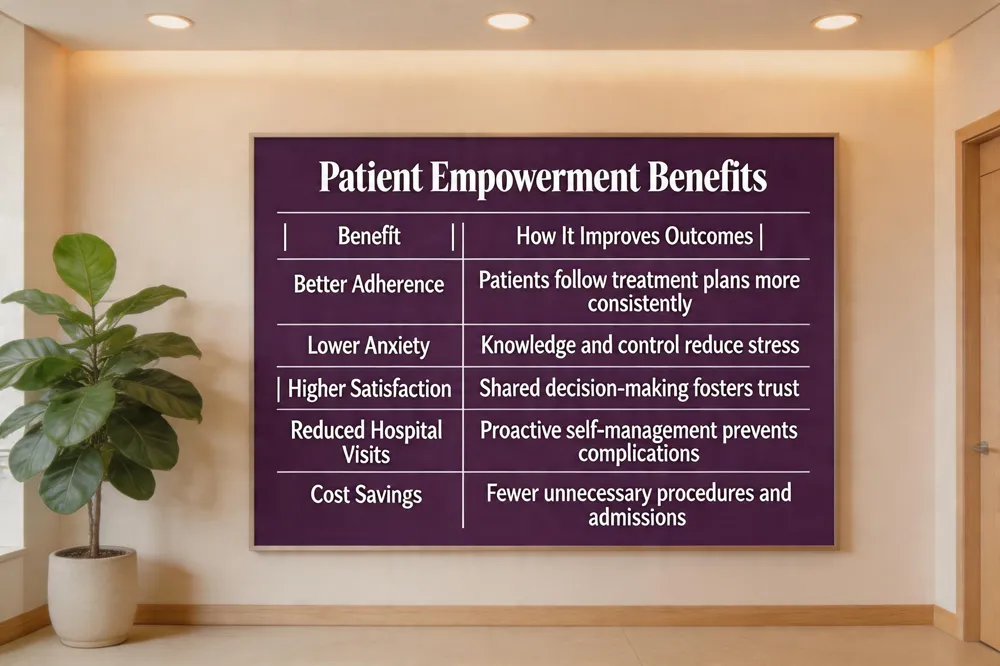 Patient empowerment means turning individuals from passive recipients of care into active partners who understand their conditions, ask informed questions, and make shared decisions with clinicians. Health empowerment theory explains that when people gain knowledge, confidence, and supportive environments, they achieve better outcomes through self‑efficacy and control over health choices. The benefits are clear: empowered patients adhere more closely to treatment plans, experience lower anxiety, and enjoy higher satisfaction. Shared decision‑making improves communication, reduces unnecessary hospital visits, and cuts overall costs. In chronic disease management, this collaborative, holistic approach fosters personalized care, builds trust, and supports long‑term wellness.
Personalized Care: From Genomics to Daily Tools
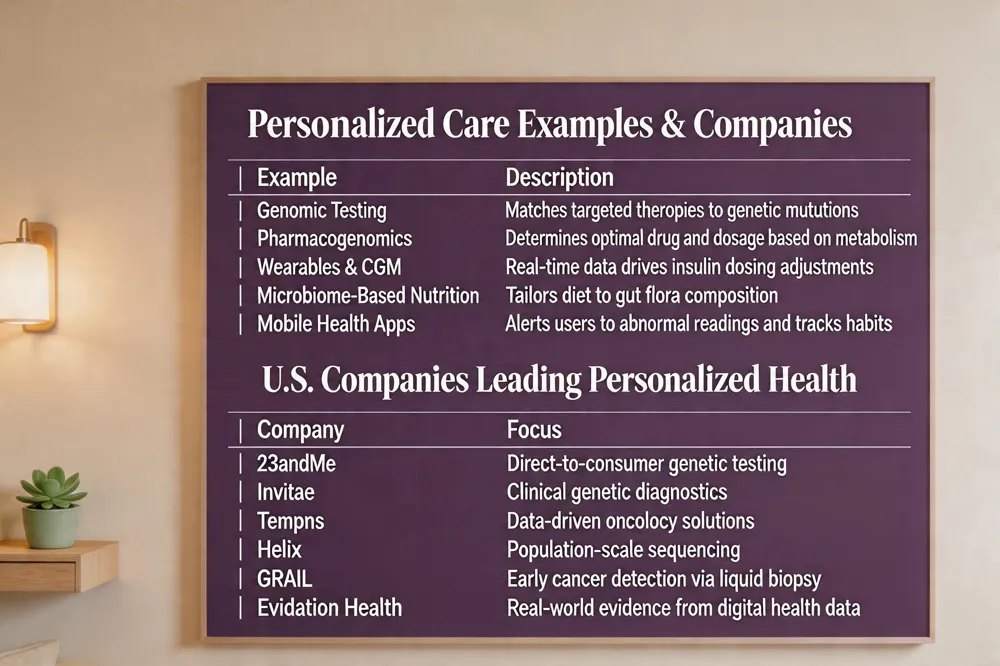
Personalized Care Examples & Companies
| Example | Description |
|---|---|
| Genomic Testing | Matches targeted therapies to genetic mutations |
| Pharmacogenomics | Determines optimal drug and dosage based on metabolism |
| Wearables & CGM | Real‑time data drives insulin dosing adjustments |
| Microbiome‑Based Nutrition | Tailors diet to gut flora composition |
| Mobile Health Apps | Alerts users to abnormal readings and tracks habits |
U.S. Companies Leading Personalized Health
| Company | Focus |
|---|---|
| 23andMe | Direct‑to‑consumer genetic testing |
| Invitae | Clinical genetic diagnostics |
| Tempus | Data‑driven oncology solutions |
| Helix | Population‑scale sequencing |
| GRAIL | Early cancer detection via liquid biopsy |
| Evidation Health | Real‑world evidence from digital health data |
 What does personalized care mean?
Personalized care means tailoring prevention, diagnosis, and treatment to each individual’s unique genetic makeup, lifestyle, environment, and personal preferences. It draws on precision‑medicine principles that integrate genomic data, electronic health records, and real‑time health information to create a comprehensive view of the patient. By using standardized health‑IT APIs and interoperable data, clinicians can access richer, more accurate information to guide decision‑making. This approach enhances patient‑centered outcomes, as therapies and wellness plans are customized rather than one‑size‑fits‑all. Ultimately, personalized care aims to improve effectiveness, safety, and satisfaction by aligning medical interventions with the specific needs of each person.
What does personalized care mean?
Personalized care means tailoring prevention, diagnosis, and treatment to each individual’s unique genetic makeup, lifestyle, environment, and personal preferences. It draws on precision‑medicine principles that integrate genomic data, electronic health records, and real‑time health information to create a comprehensive view of the patient. By using standardized health‑IT APIs and interoperable data, clinicians can access richer, more accurate information to guide decision‑making. This approach enhances patient‑centered outcomes, as therapies and wellness plans are customized rather than one‑size‑fits‑all. Ultimately, personalized care aims to improve effectiveness, safety, and satisfaction by aligning medical interventions with the specific needs of each person.
Provide examples of personalized healthcare. Examples include genomic testing to match targeted cancer therapies, pharmacogenomic screening to select the right medication and dosage, wearable devices and continuous glucose monitors that adjust insulin dosing in real time, and individualized nutrition plans based on microbiome analysis. Mobile health apps track daily habits and alert users to abnormal readings, enabling timely, customized follow‑up care.
List some personalized healthcare companies in the United States. Notable U.S. companies include 23andMe, Invitae, Tempus, Helix, GRAIL, and Evidation Health.
What are the 27 chronic diseases? Addison’s disease; asthma; bipolar mood disorder; bronchiectasis; cardiac dysrhythmias; cardiac failure; diabetes insipidus; type 1 diabetes; type 2 diabetes; epilepsy; glaucoma; haemophilia; hyperlipidaemia; hypertension; inflammatory bowel disease; multiple sclerosis; osteoarthritis; osteoporosis; Parkinson’s disease; chronic obstructive pulmonary disease (COPD); chronic kidney disease; chronic liver disease; chronic pain syndromes; mental‑health disorders; obesity; rheumatoid arthritis; and stroke.
Integrative Health in Practice: A Real‑World Example
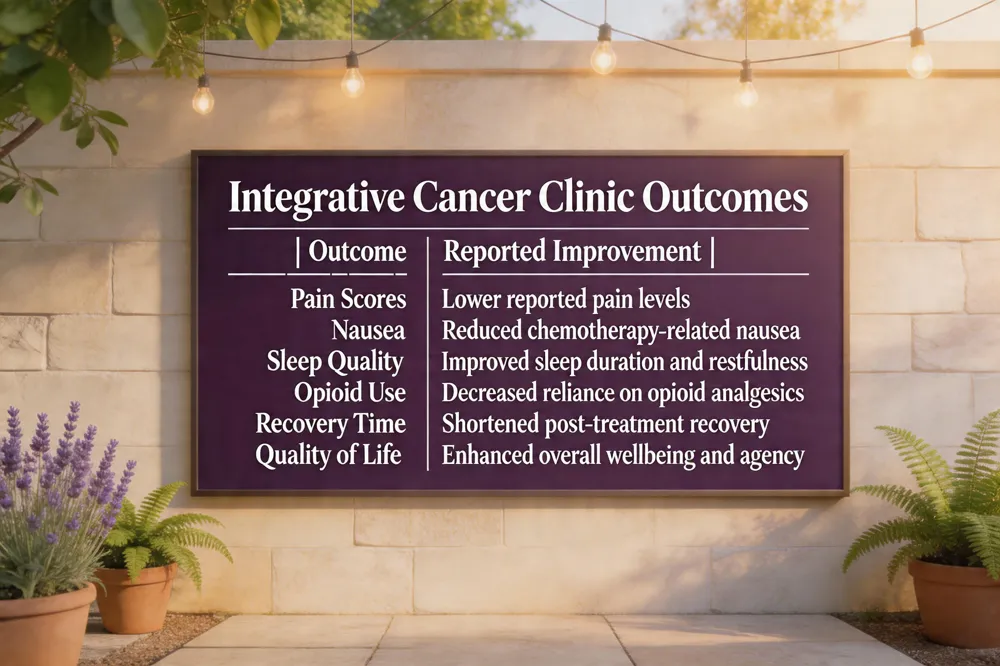
Integrative Cancer Clinic Outcomes
| Outcome | Reported Improvement |
|---|---|
| Pain Scores | Lower reported pain levels |
| Nausea | Reduced chemotherapy‑related nausea |
| Sleep Quality | Improved sleep duration and restfulness |
| Opioid Use | Decreased reliance on opioid analgesics |
| Recovery Time | Shortened post‑treatment recovery |
| Quality of Life | Enhanced overall wellbeing and agency |
 A compelling illustration of integrative health comes from the boutique cancer clinic at MD Anderson’s Integrative Medicine Center. In this setting, patients receive standard chemotherapy, radiation, or surgery while simultaneously accessing evidence‑based complementary therapies such as acupuncture, massage, nutrition counseling, and yoga. The oncologist leads the medical regimen, but a licensed acupuncturist, certified yoga instructor, and registered dietitian are incorporated into the same care team. All providers share electronic health records and hold weekly case conferences, ensuring that each modality is safe, coordinated, and timed to avoid drug‑herb interactions.
What is an example of integrative healthcare? An integrative‑health program example is a cancer treatment clinic that provides standard chemotherapy together with evidence‑based complementary therapies such as acupuncture and yoga. In this setting, the oncologist coordinates the medical regimen while a licensed acupuncturist helps reduce nausea and a certified yoga instructor offers gentle movement to improve fatigue and mood. The clinic’s team shares patient records and communicates regularly to ensure that the complementary practices are safe and do not interfere with prescribed drugs. This coordinated, patient‑centered approach blends conventional medicine with proven holistic modalities, exemplifying integrative healthcare.
The benefits are striking: patients report lower pain scores, reduced chemotherapy‑related nausea, improved sleep, and a stronger sense of agency in their healing journey. By addressing the physical, emotional, and spiritual dimensions of illness, the clinic reduces reliance on opioids, shortens recovery time, and enhances overall quality of life, demonstrating the power of a truly whole‑person care model.
Practical Steps: Encouraging Self‑Management and Building a Supportive Plan
Practical Self‑Management Strategies
| Strategy | Tools / Examples |
|---|---|
| Education & Goal‑Setting | Plain‑language explanations, shared‑decision aids |
| Digital Self‑Monitoring | PatientSpot, wearable apps for sleep, activity, meds |
| Community Support | Patient‑led groups (Body Politic, Patients Rising), workshops |
| Regular Check‑Ins | Virtual or in‑person follow‑ups, two‑way messaging |
| Peer Encouragement | Online forums, support circles, mentorship programs |
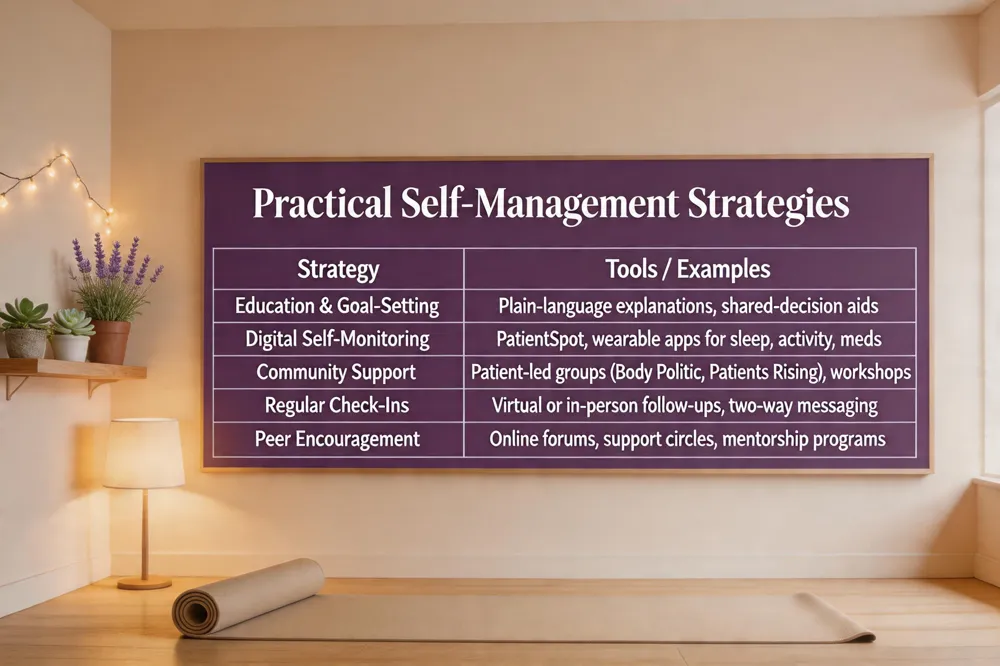 Helping patients take charge of their health starts with a trusting, empathetic relationship. Listen actively, respect preferences, and explain conditions in plain language. Use shared‑decision‑making tools—pamphlets, short videos, or digital decision aids—to illustrate options and set realistic, measurable goals together.
Technology makes self‑monitoring easier. Platforms like PatientSpot let users log symptoms, treatments, and outcomes, generating de‑identified data for research and personalized feedback. Mobile health apps can track sleep, activity, nutrition, and medication adherence, sending reminders and enabling two‑way communication with the care team.
Community support amplifies empowerment. Join patient‑led groups (e.g., Body Politic, Patients Rising) or local workshops that provide peer encouragement, education, and coping strategies. Regular virtual or in‑person check‑ins reinforce progress, allow plan adjustments, and reduce feelings of isolation.
By combining clear education, digital tools, and a supportive network, patients become empowered partners who actively manage chronic disease and improve long‑term outcomes.
A New Chapter of Empowered Wellness
After months of chronic pain, anxiety, and feeling unheard, the patient embraced a holistic plan that combined acupuncture, mindfulness meditation, personalized nutrition, and guided therapy. Within weeks, sleep improved, pain faded, and confidence grew as she learned self‑regulation tools. Now she invites others to discover integrative, personalized services that blend conventional care with mind‑body healing. Take the first step: track your symptoms, join a supportive community, and speak up for the care you deserve. Empower yourself and help shape a healthier future together. Join the movement for lasting wellness today.