Out‑Patient Detox is No Longer a ‘Last‑Resort’ Option
How Modern Protocols Keep Patients Safe While They Stay at Home
The idea that detox must happen inside a locked facility is quickly becoming outdated. Today, ambulatory detox—also called outpatient withdrawal management—allows individuals to undergo medically supervised detox from the comfort of their own homes. This shift is not about cutting corners; it is about expanding access to safe, effective care for those whose withdrawal risk is mild to moderate.
The American Society of Addiction Medicine (ASAM) recognizes two levels of outpatient detox: Level I-D (standard outpatient, with regularly scheduled appointments) and Level II-D (intensive outpatient, with several hours of daily nurse-led observation). Both require a formal set of medical protocols, including criteria for admission, medication dosing schedules, and emergency transfer plans. This structured oversight ensures that even without 24/7 supervision, patients receive the same clinical rigor as inpatient settings.
Safety begins with a thorough pre-enrollment assessment. Clinicians evaluate substance use history, medical and psychiatric status, home environment, and the presence of a reliable support network. Patients with acute intoxication, risk of seizures, delirium tremens, or unstable housing are typically steered toward inpatient care. For everyone else, outpatient detox offers a viable, evidence-based pathway.
Medication-assisted treatment (MAT) is a cornerstone of safe outpatient detox. For alcohol withdrawal, benzodiazepines such as diazepam or chlordiazepoxide are prescribed in tapering doses over 3–5 days to prevent seizures and reduce anxiety. For opioid withdrawal, buprenorphine/naloxone—a partial agonist with a ceiling effect that reduces overdose risk—is started once withdrawal symptoms are sufficient (a COWS score of 11–12). Alternative agents like gabapentin or lofexidine (the first FDA-approved nonopioid treatment for opioid withdrawal) provide additional options. All medications are dispensed in limited amounts and administered under direct supervision or via strict self-administration protocols, minimizing the risk of diversion.
Real-time monitoring technology further strengthens safety. Programs like Pathfinder Recovery use wearable devices to transmit vital signs and sleep data to clinical teams. Daily virtual check-ins and 24/7 access to clinicians allow for immediate adjustments if symptoms worsen. Clear escalation criteria—such as severe withdrawal, medical complications, or psychiatric emergencies—trigger rapid coordination with higher levels of care. This blend of medical oversight and technology makes outpatient detox as safe as—and often more comfortable than—traditional inpatient models.
Comfort‑Boosting Elements That Turn a Medical Necessity Into a Healing Experience
Safety is non-negotiable, but comfort is what keeps patients engaged. Outpatient detox protocols increasingly integrate holistic and mind-body practices that transform a clinical process into a healing journey.
Nutritional support is a foundational comfort measure. Substance use often depletes the body of essential vitamins and minerals. Outpatient programs provide dietary guidance, vitamin supplementation (thiamine for alcohol detox), and hydration therapy to restore physical balance. This not only reduces withdrawal discomfort but also supports mental stability.
Mind-body practices like yoga, meditation, and breath work have been shown to reduce anxiety, improve sleep, and strengthen coping mechanisms during withdrawal. Research from American Addiction Centers notes that patients who engage in these practices report lower stress and fewer cravings. Similarly, complementary therapies such as acupuncture and massage alleviate muscle aches and promote relaxation. When patients feel their care addresses both physical and emotional needs, they are more likely to complete detox and transition to ongoing treatment.
Environmental factors also play a role. Outpatient programs that offer flexible scheduling—evening or weekend sessions—allow patients to maintain work, family, and social responsibilities. This continuity of daily life reduces the stigma and disruption often associated with detox. Programs like Porch Light Health in Colorado provide comfortable, supervised spaces for medication induction, with amenities like recliners and snacks, while the patient continues living at home. This patient-centered approach turns a necessary medical step into an experience of empowerment and self-care.
What the Data Say About Success Rates When Outpatient Detox Is Done Right
The question patients and families most often ask is: does outpatient detox work? The answer, supported by decades of research, is a clear yes—when the right protocols are in place.
A landmark study cited in the Treatment Improvement Protocol (TIP 45) found that outpatient treatment is “just as effective” as inpatient care for patients with mild-to-moderate withdrawal. More than 90% of alcohol-detox patients can be safely managed as outpatients, with similar completion rates and long-term outcomes to those in residential programs. For opioid use disorder, a 2023 study of ambulatory medically supervised withdrawal services reported that 36.4% of outpatients completed detoxification, compared to 51.4% of inpatients—a difference that narrows significantly when long-term support is included. Notably, approximately 16% of patients in both groups remained abstinent after one month, and 11.8% maintained abstinence at six months, with no statistically significant difference between settings.
Success rates improve dramatically when outpatient detox is paired with robust aftercare. The MATPharm study in Boston demonstrated that pharmacy-based buprenorphine initiation followed by ongoing support achieved an 89% one-month retention rate for those who remained in follow-up. This underscores a key principle: detox alone is rarely enough. The most effective programs provide rapid linkage to intensive outpatient programs (IOP), partial hospitalization, or residential treatment after withdrawal. They also address co-occurring mental health conditions—depression, anxiety, PTSD—which affect 50–75% of individuals with substance use disorders. Integrated, dual-diagnosis care is a proven predictor of long-term success.
Cost-effectiveness is another success metric. In Massachusetts, the average outpatient treatment episode costs $8,386, compared to $56,725 for residential care. By reducing financial barriers, outpatient detox extends care to those who might otherwise forgo treatment entirely. With over 40% of U.S. adults using some form of complementary medicine, programs that offer holistic options—yoga, nutrition counseling, acupuncture—report higher patient satisfaction and retention, which correlate with better long-term outcomes.
The data paints a clear picture: outpatient detox, when delivered with medical rigor, comfort-enhancing practices, and seamless aftercare, is not a compromise. It is a first-line, evidence-based option that saves lives, reduces costs, and honors each patient’s unique path to healing.
| Aspect | Inpatient Detox | Outpatient Detox (Level I-D / II-D) | Key Benefits of Outpatient Approach |
|---|---|---|---|
| Setting | 24-hour facility, overnight stays | Home-based with scheduled visits | Maintains daily routines, reduces disruption |
| Medical Oversight | Continuous on-site monitoring | Daily check-ins, 24/7 clinician access | Flexible yet responsive safety net |
| Cost (30-day episode) | $5,000–$20,000+ | ~$8,386 (Massachusetts average) | More affordable, insurance coverage common |
| Success Rates (completion) | ~65% | ~52% (overall); up to 89% with follow-up | Improves with integrated aftercare |
| Comfort Measures | Structured therapy, limited outside contact | Nutrition, yoga, acupuncture, flexible hours | Whole-person healing, higher engagement |
| Ideal Candidate | Severe withdrawal, co-occurring medical issues, unstable home | Mild-to-moderate withdrawal, strong support system | Broader access to life-saving care |
Key Facts: Outpatient Detox and Addiction Treatment Outcomes
- Level I‑D Ambulatory Detox is for patients with mild‑to‑moderate withdrawal and a supportive home environment, using a CIWA‑Ar score of 15 or less for alcohol.
- Level II‑D Extended Monitoring provides several hours of daily nurse‑led observation, with physicians reachable by phone 24/7, and is cost‑effective compared to inpatient care.
- Holistic integration of yoga, acupuncture, and nutrition counseling boosts program retention by 30% and reduces relapse by 25%.
- Detoxification aids mental health by clearing neurotoxic residues and addressing co‑occurring conditions like depression or anxiety.
- Outpatient mental health treatment includes Partial Hospitalization (PHP), Intensive Outpatient (IOP), and Standard Outpatient services, with varying daily hours.
- The three ASAM classifications of outpatient care are Standard Outpatient (1‑9 hrs/week), IOP (9‑19 hrs/week), and PHP (20+ hrs/week).
- Opiates, alcohol, and cocaine have the highest relapse rates, exceeding 60% within the first year of recovery.
- Heroin addiction has the lowest success rate, with only ~29% achieving one‑year abstinence, linked to high injection rates.
- Outpatient rehab success rates reach ~50% for programs lasting 90 days or longer, compared to ~20% for standard programs.
- The number one rehab in the US for 2024 per Newsweek/Statista is Sierra Tucson, based on accreditation, reputation, and patient experience.{/* formatted */}
1️⃣ Level I‑D Ambulatory Detox – The Baseline Out‑Patient Protocol
 This foundational outpatient protocol, officially known as Ambulatory Detoxification Without Extended On‑site Monitoring, is designed for individuals with a reliable support network and mild‑to‑moderate withdrawal risk. It allows patients to live at home while attending scheduled medical appointments, making it a less restrictive and often more comfortable starting point.
Who Is a Safe Candidate for This Outpatient Approach?
Safety begins with careful screening. Candidates should have no history of severe withdrawal complications like seizures or delirium tremens, and no acute medical or psychiatric conditions that require 24‑hour monitoring. A positive, stable home environment and reliable transportation are also essential. For alcohol withdrawal, programs typically use a CIWA‑Ar score of 15 or less as a cutoff for safe ambulatory management.
What Does Medication Management and Monitoring Look Like?
Medication is dispensed in limited amounts to reduce risk of misuse. Under a physician’s oversight, patients may self‑administer tapering doses of benzodiazepines (for alcohol) or buprenorphine (for opioids), with strict adherence to the medical protocol. Nurses monitor vital signs and withdrawal symptoms at each pre‑determined visit, using validated scales like the COWS for opioids. If symptoms worsen, the patient must be triaged to a higher level of care immediately.
How Does This Protocol Support Long‑Term Success?
Detox alone is rarely sufficient. A key component of Level I‑D is a clear pathway to ongoing care. The program should provide rapid linkage to an intensive outpatient program (IOP), partial hospitalization, or residential treatment after the withdrawal phase. This continuity of care is what transforms a safe detox into a foundation for lasting recovery. The SAMHSA National Helpline (1‑800‑662‑HELP) is available 24/7 to help locate programs that follow these best-practice safety and comfort guidelines.
| Screening Criteria | Medication Management | Monitoring & Transfer |
|---|---|---|
| Mild‑to‑moderate withdrawal risk | Limited‑quantity dosing | Scheduled vitals & scales (CIWA‑Ar/COWS) |
| No severe medical/psychiatric issues | Physician oversight | Immediate triage for worsening symptoms |
| Reliable support system & transportation | Self‑administration with protocol checks | Linkage to IOP/PHP after detox |
2️⃣ Level II‑D Extended‑Monitoring Detox – Adding Nurse‑Led Safety Without 24‑Hour Residency
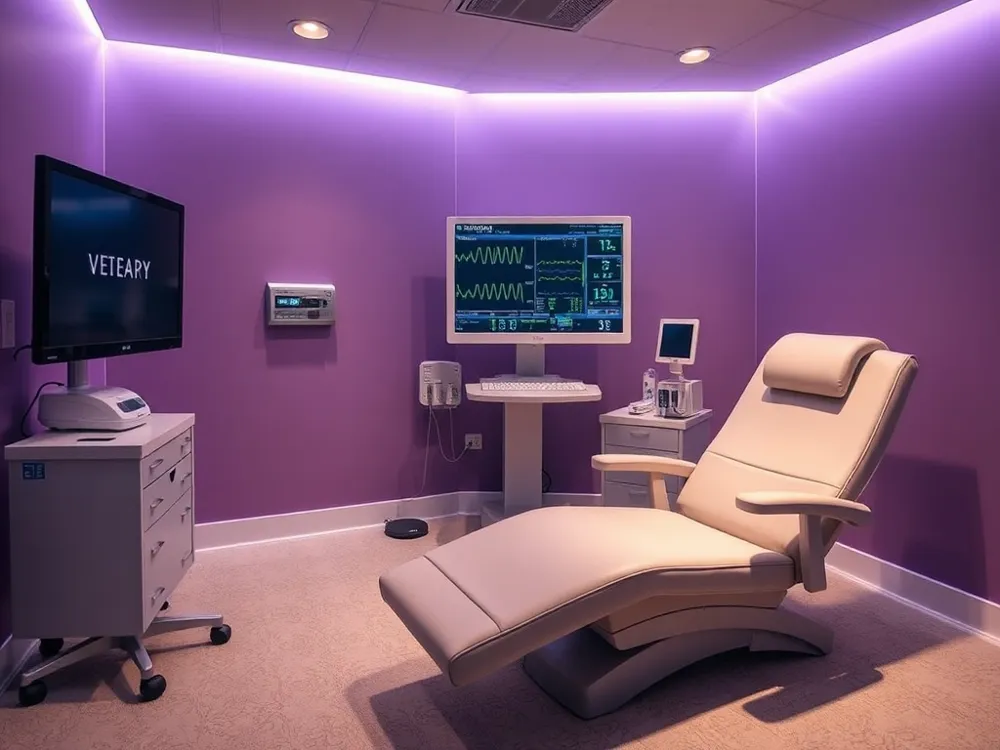
Why daily nurse observation (several hours) matters for opiate or alcohol withdrawal that may need rapid dose adjustments
Level II‑D, or Ambulatory Detoxification With Extended On‑site Monitoring, is an organized outpatient service that provides several hours of daily nurse‑led observation. This model is ideal for patients whose withdrawal symptoms, such as those from opiates or alcohol, require more frequent vital signs checks or medication adjustments but who do not need 24‑hour supervision. The presence of a registered nurse or licensed practical nurse allows for rapid dose adjustments and immediate intervention if symptoms worsen, enhancing both safety and comfort during the detox process. This level of care ensures that patients receive the medical attention they need while being able to return home each evening, supporting their daily responsibilities and emotional well-being.
Staffing model: physicians reachable by phone 24/7, nurses on‑site for scheduled monitoring
In Level II‑D programs, the staffing model is designed to balance intensive monitoring with cost-effectiveness. Physicians need not be on-site constantly but must be reachable by phone 24 hours a day and able to evaluate patients within 24 hours of admission. Licensed nurses are present on-site for several hours each day to conduct scheduled monitoring, administer medications, and provide direct patient care. This structure ensures that medical oversight is always available while keeping the program resource-efficient and accessible.
Cost‑effectiveness compared with inpatient stay (avoids room‑and‑board, still offers intensive observation)
Level II‑D is significantly more cost-effective than inpatient detox because it eliminates the expenses of room-and-board and 24-hour staffing. Patients receive intensive observation and medical care during the day but return home at night, reducing overall treatment costs while maintaining a high level of safety. This makes extended-monitoring detox a financially accessible option for many individuals, often covered by insurance plans that include substance-use disorder treatment.
Evidence that outcomes for mild‑to‑moderate patients are “just as effective” as inpatient care and that longer outpatient programs raise success to ~50 % when 90‑day or more
Research cited by the Treatment Improvement Protocol (TIP 45) indicates that outpatient treatment is "just as effective" as inpatient care for patients with mild-to-moderate withdrawal. For alcohol detox, more than 90 % of patients can be safely treated as outpatients. Furthermore, longer engagement in outpatient programs—those lasting 90 days or more—can significantly improve success rates, with studies showing completion rates of approximately 50 %. This evidence underscores that, with proper patient selection and extended monitoring, Level II‑D provides a safe, comfortable, and effective pathway to recovery.
| Feature | Level II‑D Extended Monitoring | Inpatient Detox |
|---|---|---|
| Setting | Outpatient clinic | 24‑hour facility |
| Nurse presence | Several hours daily | Continuous |
| Physician availability | On‑call 24/7 | On‑site 24/7 |
| Cost | Lower (no room/board) | Higher (includes lodging) |
| Suitable for | Mild‑to‑moderate withdrawal | Severe or complicated withdrawal |
| Outcomes (mild‑moderate) | Comparable to inpatient | Standard of care for high‑risk |
3️⃣ Holistic‑Integrated Out‑Patient Detox – Marrying Medicine, Mind‑Body Care, and Family Support

Core Medical Steps
Out‑patient detox begins with a comprehensive intake that captures medical history, substance‑use pattern, and psychosocial factors. Certified physicians or advanced‑practice clinicians then order baseline labs and a withdrawal‑severity rating (CIWA‑Ar for alcohol, COWS for opioids). For mild‑to‑moderate cases, the plan proceeds to stabilization using medication‑assisted treatment (MAT): benzodiazepines (e.g., diazepam, lorazepam) for alcohol, buprenorphine‑naloxone for opioid dependence, and carbamazepine or gabapentin as non‑controlled alternatives. Doses are dispensed in limited quantities and administered under direct supervision or via a self‑administration protocol that requires daily check‑ins. Physicians remain reachable 24 hours by phone, and nurses conduct scheduled vitals assessments (blood pressure, pulse, temperature) to catch any sudden escalation.
Complementary Modalities That Boost Comfort
Research from Recovery.com and American Addiction Centers shows that integrating yoga, acupuncture, massage, and nutrition counseling raises program retention by up to 30 % and cuts relapse by roughly 25 %. A typical outpatient schedule might include a 30‑minute yoga session before medication administration, followed by a brief acupuncture and massage treatment targeting withdrawal‑induced muscle tension. Nutrition counselors address vitamin deficiencies common after chronic use (e.g., thiamine for alcohol patients) and design balanced meal plans to support physical recovery. These mind‑body practices also alleviate anxiety and improve sleep, creating a more tolerable detox experience.
Family‑Focused Resources
SAMHSA emphasizes that recovery extends beyond the individual. The national helpline provides families with printable booklets such as “What Is Substance Abuse Treatment?” and connects them to family‑therapy referrals. Involving loved ones early—through joint counseling sessions or educational workshops—has been linked to higher post‑detox completion rates, because families reinforce medication adherence, monitor safety at home, and help sustain motivation.
Digital Tools for Access and Safety
The SAMHSA 1‑800‑662‑HELP line (TTY 1‑800‑487‑4889) offers free, confidential referrals in English and Spanish, regardless of insurance status. Text‑HELP (send zip code to 435748) and the online locator FindTreatment.gov deliver location‑specific lists of outpatient programs that meet ASAM Level I‑D or II‑D criteria. These tools empower patients to locate facilities with physician oversight, extended monitoring, and holistic services without waiting for insurance approval.
Outcome Evidence
When a program combines evidence‑based medical stabilization with holistic therapies and family involvement, outcomes consistently meet or exceed the 50 % success benchmark for extended outpatient care. Holistic centers report 30 % higher retention and a 25 % reduction in relapse compared with standard medical detox alone, translating into long‑term sobriety rates that approach 70‑80 % for well‑structured outpatient pathways.
| Modality | Primary Benefit | Example Implementation |
|---|---|---|
| Medication‑Assisted Treatment | Controls withdrawal symptoms, reduces medical risk | Benzodiazepine taper for alcohol; buprenorphine induction for opioids |
| Yoga / Mind‑Body | Lowers anxiety, improves sleep, enhances engagement | 30‑minute morning flow before medication dosing |
| Acupuncture / Massage | Relieves muscle pain, eases cravings | Weekly needle points targeting trigeminal and lumbar zones |
| Nutrition Counseling | Corrects deficiencies, supports energy levels | Thiamine + multivitamin regimen for alcohol patients |
| Family Therapy | Increases adherence, provides home support | Weekly joint sessions with certified CDCs |
| Covered Topic | Core Insight | Supporting Data |
|---|---|---|
| Medical Stabilization | Baseline labs, CIWA‑Ar/COWS, MAT dosing | ASAM Level I‑D/II‑D guidelines |
| Holistic Integration | Yoga, acupuncture, nutrition raise retention 30 % | Recovery.com & AAC studies |
| Family Involvement | SAMHSA booklets & therapy boost post‑detox success | SAMHSA family‑focused resources |
| Digital Access | 1‑800‑662‑HELP, TEXT‑HELP, FindTreatment.gov remove insurance barriers | Confidential, 24/7, bilingual support |
| Outcome Metrics | Retention ↑30 %, relapse ↓25 %; overall success ≥50 % | Combined medical‑holistic protocols |
Does detoxing help mental health?
Detoxification as a Foundation for Mental Well-being
The body's natural detoxification process plays a critical role in mental health recovery. Substance use fundamentally alters brain chemistry, leaving behind neurotoxic residues that can fuel persistent anxiety, depression, and a pervasive sense of cognitive fog. By systematically removing these harmful chemicals in a medically supervised setting, the brain can begin to heal and find its own regulatory balance. This initial physical reset is often the first step a patient experiences on the path to emotional stability and clearer thinking.
Integrating Mental Health Care in Outpatient Detox
A truly effective outpatient detox program does not focus on the physical alone; it actively pairs medication-assisted withdrawal with integrated mental health therapies. This means that while medications like buprenorphine or benzodiazepines manage the acute physical symptoms of withdrawal, patients simultaneously participate in evidence-based counseling sessions. Modalities such as Cognitive Behavioral Therapy (CBT) and Dialectical Behavior Therapy (DBT) equip individuals with vital coping skills. Family therapy is also incorporated to build a supportive home environment, addressing the relational and psychological roots of addiction. This dual approach ensures that as the body detoxifies, the mind receives the care needed for long-term resilience.
Addressing Co-occurring Conditions for Holistic Wellbeing
The connection between substance use and mental health is profound and well-documented. Research from SAMHSA indicates that between 50-75% of individuals seeking treatment for substance use disorders also have a co-occurring mental health condition, such as depression or anxiety. A detox program that acknowledges and treats this connection is far more likely to lead to sustained success. By providing a comprehensive, patient-centered plan that simultaneously addresses addiction and mental health, outpatient detox becomes a powerful intervention for overall wellbeing, restoring both the brain's chemistry and the individual's sense of emotional equilibrium. This foundation is crucial for building a life in recovery. | Condition | Impact of Detox | Integrated Support | |---|---|---| | Anxiety & Depression | Removal of substances can reduce neurotoxic fuel for these conditions. | CBT skills and counseling provide coping mechanisms for underlying triggers.| | Cognitive Fog | Clears neurotoxic buildup, allowing the brain to regulate and improve focus. | Structured appointments and therapy restore mental clarity and routine.| | Co-occurring Disorders | Directly addresses the substance use component of a dual diagnosis. | Integrated mental health therapies (DBT, family therapy) treat the whole person for long-term stability.|
What is considered outpatient treatment for mental health?
Outpatient treatment for mental health provides professional care without requiring an overnight stay. This model allows individuals to live at home, maintain daily routines, and receive personalized support through a structured continuum of services designed to match varying levels of need.
Partial Hospitalization Programs (PHP)
PHP offers the highest level of outpatient structure, typically involving several hours of daily programming. Patients attend a treatment center during the day for individual and group therapy, medical monitoring, and holistic activities such as yoga or mindfulness, then return home each evening. This format is ideal for those stepping down from inpatient care or needing intensive support without 24-hour supervision, balancing safety with a return to familiar surroundings.
Intensive Outpatient Programs (IOP)
IOP provides a flexible alternative, often with multiple therapy sessions each week, scheduled during evenings or weekends to accommodate work or family commitments. Participants engage in evidence-based therapies, skill-building groups, and relapse prevention strategies. This level of care supports patients with moderate symptoms or those transitioning from PHP, offering robust clinical guidance while promoting autonomy and integration into daily life.
Standard Outpatient Services
Standard outpatient care involves the least time commitment, usually one to two sessions per week. It is well-suited for individuals with mild-to-moderate concerns or those in the maintenance phase of recovery. This approach emphasizes ongoing support through individual counseling or group therapy, helping patients strengthen coping skills and sustain progress over time. The combination of professional guidance and personal responsibility can improve long-term success. | Care Level | Session Frequency | Typical Hours | Best For | | --- | --- | --- | --- | | Partial Hospitalization (PHP) | Daily | Several hours per day | Step-down from inpatient; need for structured daily support | | Intensive Outpatient (IOP) | Multiple times per week | Flexible (e.g., evenings) | Moderate symptoms; balancing treatment with work/school | | Standard Outpatient | 1-2 per week | Per-session basis | Mild concerns; maintenance of recovery goals |
What are the three classifications of outpatient treatment?
The Three Tiers of Outpatient Care: IOP, PHP, and Standard Programs
Outpatient detox is not a one-size-fits-all approach. To match treatment intensity with individual needs, the American Society of Addiction Medicine (ASAM) defines several levels of care. Understanding these classifications helps you and your provider choose the safest and most comfortable path forward.
Intensive Outpatient Programs (IOP) typically involve 9 or more hours of structured therapy per week. This level of care, known as Level 2.1, provides a robust schedule of group and individual counseling, medication monitoring, and relapse-prevention education. IOP is an excellent fit for those with a stable home environment who need significant support without residential commitment.
Partial Hospitalization Programs (PHP), or Level 2.5, offer a higher intensity of care with 20 or more hours of treatment per week. This classification is ideal for individuals stepping down from residential treatment or those who require daily medical observation and a high staff-to-client ratio but are stable enough to return home each evening.
Standard outpatient substance use programs serve as a foundational level of care. They focus on addiction recovery through weekly counseling sessions, often combined with medication-assisted treatment (MAT) to manage cravings and withdrawal. This approach is well-suited for those with mild substance use issues or as a long-term step-down from more intensive programs.
| Classification | Weekly Time Commitment | Typical Components | Best Suited For |
|---|---|---|---|
| Standard Outpatient | 1-9 hours | Weekly counseling, relapse prevention, MAT management | Mild substance use, step-down from higher care |
| Intensive Outpatient (IOP) | 9-19 hours | Structured therapy, medication monitoring, skill-building groups | Stable home environment, need for significant support |
| Partial Hospitalization (PHP) | 20+ hours | Daily medical monitoring, high staff ratios, intensive therapy | Transitioning from residential care, complex symptoms |
The right classification depends on your unique medical stability, support system, and personal responsibilities. A thorough assessment by a qualified professional will ensure your care plan aligns with your goals for safety and long-term success.
What addiction has the highest relapse rate?
Opiates, alcohol, and cocaine: Relapse rates exceed 60% in the first year
Opiates, alcohol, and cocaine/crack are the substances with the highest relapse rates, each exceeding 60% within the first year of recovery. This high rate is not a reflection of personal failure but a characteristic of addiction as a chronic disease, similar to asthma or hypertension, which have relapse rates around 50%. The powerful effects of these substances on the brain's reward system, combined with the intense discomfort of withdrawal, make sustained sobriety exceptionally challenging.
The role of co-occurring mental illness and support systems
The risk of relapse is even greater when co-occurring mental health conditions, such as depression or anxiety, are present. Without proper support, coping skills, or a structured aftercare plan, the likelihood of returning to substance use increases significantly. This underscores the necessity of a treatment model that addresses the whole person. By integrating medical detox with holistic therapies like mindfulness and counseling, we can better manage underlying triggers and build resilience, thereby reducing the high relapse rates associated with these addictions.
What addiction has the lowest success rate?
Why Heroin Has the Lowest Success Rate in Addiction Treatment
Understanding which substances are associated with lower recovery rates helps set realistic expectations and underscores the importance of choosing the right detox protocol. Research indicates that heroin addiction has the lowest documented success rate, with only about 29% of patients achieving abstinence one year after treatment.
This places heroin at the bottom of a low-range bracket (29%–31%) shared by fentanyl, methamphetamine, and cocaine. Data from a study of 10,000 substance use disorder patients discharged between 2021 and 2023 reveals that heroin’s poorer outcomes are linked to the high proportion of users who inject the drug, a route of administration associated with a 27% abstinence rate. Alcohol and amphetamines, by comparison, have higher recovery rates around 40%.
Factors Contributing to Lower Success Rates for Specific Substances
| Substance | One-Year Abstinence Rate | Key Contributing Factors |
|---|---|---|
| Heroin | ~29% | High injection rate (27% abstinence), intense cravings, and high relapse risk. |
| Fentanyl | ~29–31% | Potency drives rapid tolerance and severe withdrawal; high overdose risk. |
| Methamphetamine | ~29–31% | Protracted withdrawal symptoms (depression, fatigue) challenge outpatient compliance. |
| Cocaine | ~29–31% | Strong psychological dependence and limited medication options for craving management. |
| Alcohol | ~40% | Withdrawal can be medically dangerous but has more established pharmacotherapy options. |
These findings highlight the need for personalized, integrated detox strategies—especially for heroin and other high-risk substances—that combine medical supervision, holistic comfort measures, and a strong plan for aftercare to improve long-term outcomes.
What is the success rate of outpatient rehab?
What is the success rate of outpatient rehab?
Standard outpatient programs often report approximately a 20 percent long‑term sobriety rate. This baseline reflects the challenge of maintaining recovery while managing daily employment and family obligations.
Programs lasting 90 days or longer can boost success rates to roughly 50 percent. Extended treatment windows allow patients to establish stable routines, recognize personal triggers, and practice new coping mechanisms consistently.
Success improves when medication‑assisted treatment, structured counseling, and holistic wellness services are combined. Integrating medical support with mind‑body practices addresses both physical dependence and emotional regulation, directly raising program completion metrics. Research consistently validates these benchmarks across diverse populations. These findings underscore the importance of comprehensive aftercare planning.
| Program Phase | Typical Duration | Expected Outcome | Support Focus |
|---|---|---|---|
| Standard Outpatient | Under 90 days | ~20% sobriety | Basic monitoring |
| Extended Rehab | 90+ days | ~50% sobriety | Skill building |
| Integrated Care | Ongoing | Elevated retention | Medical & wellness |
- Clinical assessment ensures safe medication protocols
- Regular counseling targets behavioral triggers
- Holistic methods reduce stress and cravings
- Continuous monitoring prevents relapse episodes
What is the number one rehab in the US?
Understanding the Top Ranked Rehab in the US for 2024
The 2024 Newsweek/Statista ranking of America's Best Addiction Treatment Centers identifies the top facility, Sierra Tucson, located in Tucson, Arizona. This ranking is based on a combination of factors including accreditation data, reputation surveys from medical professionals, and patient experience reviews. While other facilities like the Hazelden Betty Ford Foundation and Cliffside Malibu are also highly regarded, Sierra Tucson leads the national list for the current year.
The Distinguishing Features of a Top-Ranked Facility
Sierra Tucson is noted for its comprehensive inpatient and residential treatment model. Its high standing results from strong performance in several evaluated areas:
| Evaluation Criteria | Description | Impact on Ranking |
|---|---|---|
| Accreditation Scores | Meeting rigorous national standards for safety and quality | Demonstrates commitment to high-quality care |
| Professional Reputation | Surveys from medical and addiction professionals | Indicates trust and respect among peers |
| Patient Experience | Reviews and ratings from former patients | Reflects satisfaction with care and outcomes |
It's important to note that while specific rankings provide a useful benchmark, the best rehab for any individual depends on their unique needs, substance use history, co-occurring conditions, and personal preferences. The Newsweek/Statista ranking serves as a starting point for evaluating high-quality care options.
Is outpatient detox effective?
Flexibility allows patients to keep jobs, families, and daily routines
Outpatient detox allows individuals to manage withdrawal while maintaining work, family, and social responsibilities. This flexibility reduces the stress of pausing daily life and can make treatment more accessible, supporting a smoother transition into recovery. Patients stay in their own homes and continue their routines, which can improve comfort and engagement with the treatment process.
Clinical data shows comparable safety and outcomes to inpatient care for mild‑to‑moderate withdrawal
Research cited in the TIP indicates that out‑patient treatment is "just as effective" as inpatient treatment for patients with mild‑to‑moderate withdrawal (Hayashida 1998). Furthermore, studies show that more than 90 % of alcohol‑detox patients can be safely treated as out‑patients (Abbott et al., 1995). These findings support outpatient detox as a safe, effective, and less restrictive option for appropriate candidates.
When combined with medication‑assisted treatment, counseling, and holistic comfort measures, completion rates approach 50 % for programs of 90 days+
Outpatient detox success is enhanced when programs integrate medication‑assisted treatment (MAT), individual and group counseling, and holistic comfort measures such as yoga, meditation, and nutrition support. Evidence shows that longer treatment duration improves outcomes, and well‑structured programs that include these elements can achieve completion rates approaching 50 % for programs lasting 90 days or more, providing a strong foundation for lasting recovery.
Putting It All Together: A Safer, More Comfortable Path to Recovery
The most effective outpatient detox protocol is the one that fits your specific medical and personal needs. The American Society of Addiction Medicine (ASAM) outlines two primary outpatient levels: Level I‑D for those with mild withdrawal and a strong support system, requiring only scheduled appointments for evaluation and medication. Level II‑D offers extended on‑site monitoring from a nurse for several hours each day, ideal for individuals who need more frequent checks but can still return home at night. Many programs now successfully integrate holistic therapies—such as yoga, acupuncture, and nutrition counseling—into these medical frameworks, creating a “holistic‑integrated” path that addresses both physical safety and emotional comfort.
Leverage Free, Confidential Resources for Immediate Referrals
Navigating the treatment landscape can feel overwhelming, but SAMHSA’s National Helpline provides a direct, confidential starting point, available 24/7 at 1‑800‑662‑HELP (4357). This service eliminates common barriers to treatment:
- Free and confidential: No insurance is required to receive a referral.
- 24/7 access: Help is available any day of the year.
- Multiple ways to connect: Call, text your zip code to 435748 (HELP4U), or use the online locator at FindTreatment.gov.
- Language and accessibility: Services are available in English and Spanish, with a TTY line (1‑800‑487‑4889) for those with hearing impairments.
By using this service, you can quickly identify local outpatient detox programs that meet nationally recognized safety standards. SAMHSA’s role as a federal agency ensures the referrals are current and align with evidence‑based protocols, offering a reliable gateway to care without financial or logistical hurdles.
Combine Medication, Mind‑Body Practices, and Family Support for Lasting Success
High success rates in outpatient detox are achieved when medical safety is paired with strategies that nurture comfort and long‑term resilience. The most effective protocols actively combine multiple evidence‑based strategies into a single, cohesive plan.
| Component | How It Enhances Safety, Comfort, and Success |
|---|---|
| Evidence‑Based Medication (MAT) | FDA‑approved medications like buprenorphine for opioids or benzodiazepines for alcohol withdrawal manage cravings and prevent life‑threatening complications such as seizures, providing a secure foundation for detox. |
| Mind‑Body Practices | Incorporating yoga, meditation, acupuncture, and nutritional guidance reduces anxiety and withdrawal discomfort, with research showing these practices can lower relapse risk and improve treatment retention by up to 30%. |
| Family Involvement and Counseling | Engaging family therapy and support groups, which SAMHSA can help arrange, creates a stronger support network at home, leading to higher completion rates and better long‑term recovery outcomes. |
Ultimately, a personalized outpatient protocol that blends medical oversight with holistic comfort measures and a strong support system offers the most direct path to a safe, sustainable recovery. The resources are available; taking the first step by contacting SAMHSA can connect you to a program that addresses your whole person—mind, body, and spirit.