Why Mind‑Body Matters for Immune Health
Chronic inflammation in children and adolescents is a silent driver of future cardiovascular disease, type 2 diabetes, mental‑health disorders, and autoimmune conditions. Immune health depends not only on the number of cells but on a balanced mix of pro‑inflammatory markers (CRP, IL‑6, TNF‑α) and anti‑inflammatory signals (IL‑10, TGF‑β). ‑body therapies—yoga, meditation, Tai Chi, Qi Gong, acupuncture, and relaxation techniques—have repeatedly shown modest reductions in CRP (Hedges’ g ≈ 0.58) and modest boosts in natural‑killer activity, salivary IgA, and vaccine antibody titers. An integrative health plan that pairs these low‑risk, patient‑centered practices with good nutrition, sleep hygiene, and regular gentle movement offers a personalized roadmap to lower stress‑induced cortisol, restore immune balance, and reduce long‑term disease risk.
Foundations of Immune Health and Mind‑Body Integration
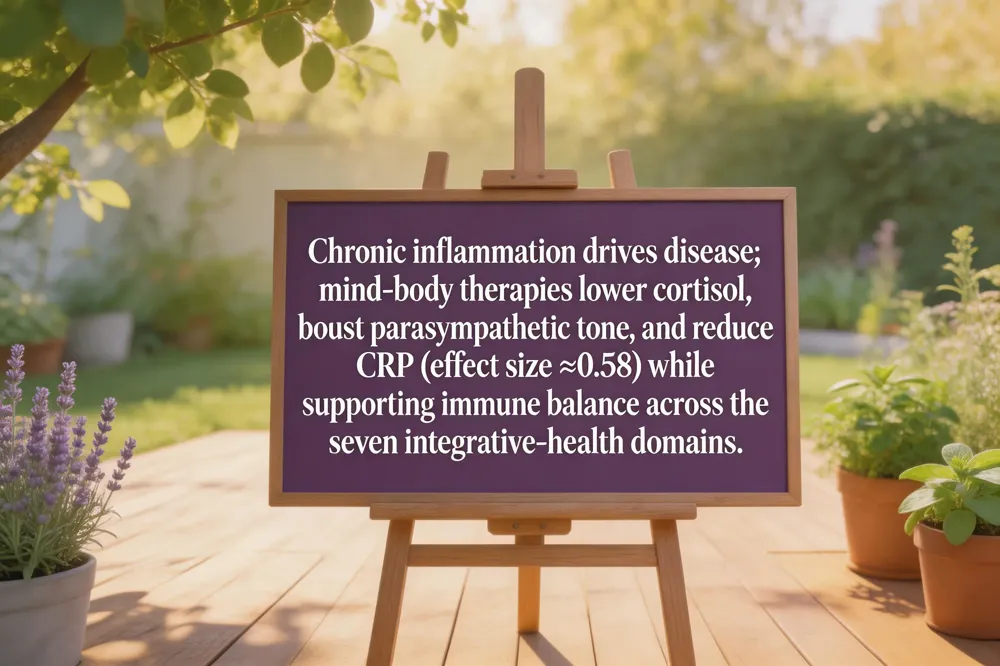 Chronic inflammation in youth and adults is a silent driver of long‑term disease. In children and adolescents it raises the risk of cardiovascular disease, type 2 diabetes, mental‑health disorders, and autoimmune conditions such as type 1 diabetes and juvenile idiopathic arthritis. Key immune markers that signal this inflammatory state include C‑reactive protein (CRP), interleukin‑6 (IL‑6), tumor‑necrosis‑factor‑α (TNF‑α), and chemokines like CXCL8. Mind‑body therapies (MBTs)—yoga, meditation, Tai Chi, Qi Gong, acupuncture, relaxation, and deep‑breathing—modulate neuro‑endocrine‑immune pathways by lowering HPA‑axis cortisol, enhancing parasympathetic tone, and improving vagal activity. These changes can reduce CRP (meta‑analysis effect size ≈ 0.58) and modestly lower IL‑6 and TNF‑α, while also boosting anti‑inflammatory cytokines (IL‑10, TGF‑β) and natural‑killer cell function. Core immunology principles are: (1) detecting and eliminating pathogens, (2) self‑recognition to prevent auto‑attack, (3) memory of past infections, and (4) resolution after clearance. Integrative health rests on seven domains—sleep, resiliency, environment, movement, relationships, spirituality, and nutrition—each influencing immune balance.
What are 5 signs of a weak immune system? Frequent or severe infections (e.g., repeated pneumonia or sinusitis), chronic gastrointestinal upset, unexplained low blood counts or anemia, delayed growth in children, and the emergence of autoimmune diseases such as lupus or type 1 diabetes.
What are the 4 principles of immunology? The immune system must (1) detect and fight infection, (2) recognize self to avoid self‑damage, (3) remember past pathogens, and (4) limit the response once the threat is gone.
What are the 7 domains of integrative health? Sleep, resiliency (stress management), environment, movement (exercise), relationships, spirituality, and nutrition.
How to boost immune system naturally? Eat a nutrient‑dense diet rich in fruits, vegetables, whole grains, lean protein, and nuts to supply vitamins C, D, zinc, and antioxidants. Engage in moderate‑intensity exercise (≈150 min/week). Prioritize 7‑9 hours of quality sleep nightly. Use mind‑body practices—mindfulness, deep breathing, yoga, meditation—to lower cortisol and inflammation. Avoid smoking, limit alcohol, maintain a healthy weight, and keep vaccinations up‑to‑date.
Nutrition and Lifestyle Strategies to Strengthen Immunity
 Immune‑boosting foods** Berries (blueberries, blackberries, goji) are packed with vitamin C and antioxidants that protect immune cells. Fatty fish (salmon, mackerel, sardines) supply omega‑3 fatty acids that enhance white‑blood‑cell activity. Dark leafy greens (spinach, kale, collard greens) provide beta‑carotene, vitamin C and polyphenols that reduce inflammation. Nuts and seeds (almonds, walnuts, sunflower seeds) offer zinc, magnesium and vitamin B6, all essential for a balanced immune response. Garlic, ginger and turmeric add anti‑inflammatory compounds, while fortified dairy, eggs and vitamin D‑rich foods support immune regulation.
What can I drink to boost my immune system – Fresh citrus juice (orange, lemon, grapefruit) delivers a rapid dose of vitamin C. Herbal teas infused with ginger, turmeric or garlic provide polyphenols that modulate immunity. Probiotic beverages (kefir, kombucha, unsweetened yogurt drinks) nurture gut bacteria, a cornerstone of immune health. Green tea supplies catechins that protect cells from oxidative stress, and warm bone broth supplies zinc, magnesium and amino acids.
Morning drink to boost immune system – Mix half a lemon’s juice with a teaspoon of raw or Manuka honey in warm water, add a slice of fresh ginger or a pinch of turmeric, and optionally blend with fortified almond milk or a quick green smoothie (spinach, orange, berries) for a vitamin‑rich start.
Which foods boost immunity faster – Vitamin‑C‑rich berries, bell peppers and broccoli give an immediate lift; omega‑3‑rich fish and fish‑oil supplements amplify immune‑cell activity; nuts and seeds provide zinc, selenium and vitamin E; garlic, ginger and turmeric deliver fast‑acting anti‑inflammatory agents.
How can I boost my immune system in 24 hours – Eat colorful vegetables, berries, leafy greens, nuts and fatty fish; stay hydrated with water, herbal teas or bone broth; get 7‑9 hours of quality sleep; take a brisk 30‑minute walk or light yoga; practice deep‑breathing or meditation; avoid alcohol and tobacco.
How to boost immunity at home – Follow a nutrient‑dense diet rich in fruits, vegetables, healthy fats and protein; exercise regularly; prioritize sleep; manage stress with mindfulness, breathing or yoga; stay hydrated; maintain good hygiene.
How to boost immune system quickly – Focus on vitamin C, zinc and beta‑carotene sources; add moderate‑intensity activity; ensure 7‑9 hours of sleep; reduce stress with meditation or deep‑breathing; stay current on vaccinations and limit tobacco and excess alcohol.
Mindfulness, Meditation, and Brain‑Immune Connectivity
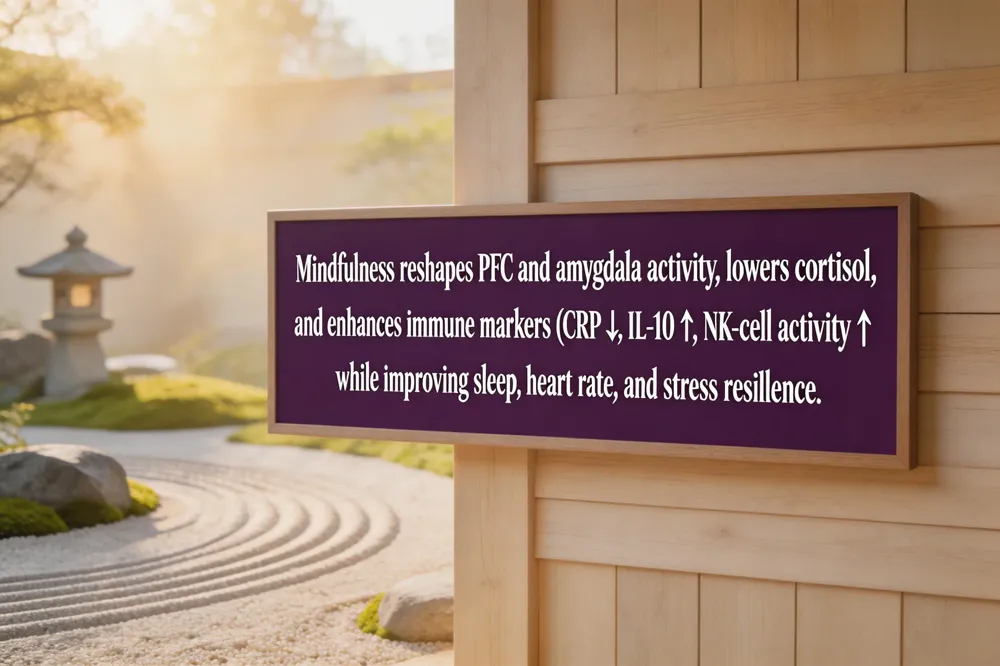 Mindfulness meditation reshapes brain structure and function, especially in the prefrontal cortex (PFC) and anterior cingulate cortex, enhancing attention, emotion regulation and pain modulation. MRI studies show increased gray‑matter density in these regions and reduced amygdala activation, which together lower chronic stress and improve mood. These neural shifts are linked to measurable immune changes: an eight‑week program reported heightened left‑sided anterior EEG activity together with influenza‑vaccine antibody titers, indicating a brain‑immune connection. Mindfulness‑based stress reduction (MBSR) consistently lowers cortisol, dampening the HPA‑driven cascade that fuels IL‑6, TNF‑α and CRP; meta‑analyses of adult trials find a reduction in CRP (Hedges’ g ≈ 0.58). Physical benefits include lower resting heart rate, reduced blood pressure, improved sleep quality and diminished perception of chronic pain. Immune markers respond positively—CD4+ T‑cells, NK‑cell activity and anti‑inflammatory cytokine IL‑10 rise, while telomerase activity increases, supporting cellular longevity. The PFC’s enhanced connectivity with the amygdala underlies these effects, providing top‑down regulation of stress responses. For clinicians, a “Meditation and Mental Health” PDF summarizing these mechanisms and offering beginner‑friendly practices (breath focus, body‑scan, mantra) can be a handout for wellness plans.
Somatic Practices for Trauma Release and Immune Support
 Somatic therapy near me
If you’re looking for somatic therapy nearby, start with local therapist directories such as Psychology Today. Filter by “Somatic Experiencing” or “Body‑Focused Trauma” and enter your city or ZIP code. Many clinicians offer both in‑person and virtual sessions, and a brief consultation can confirm insurance, fees, and therapeutic style.
Somatic healing exercises
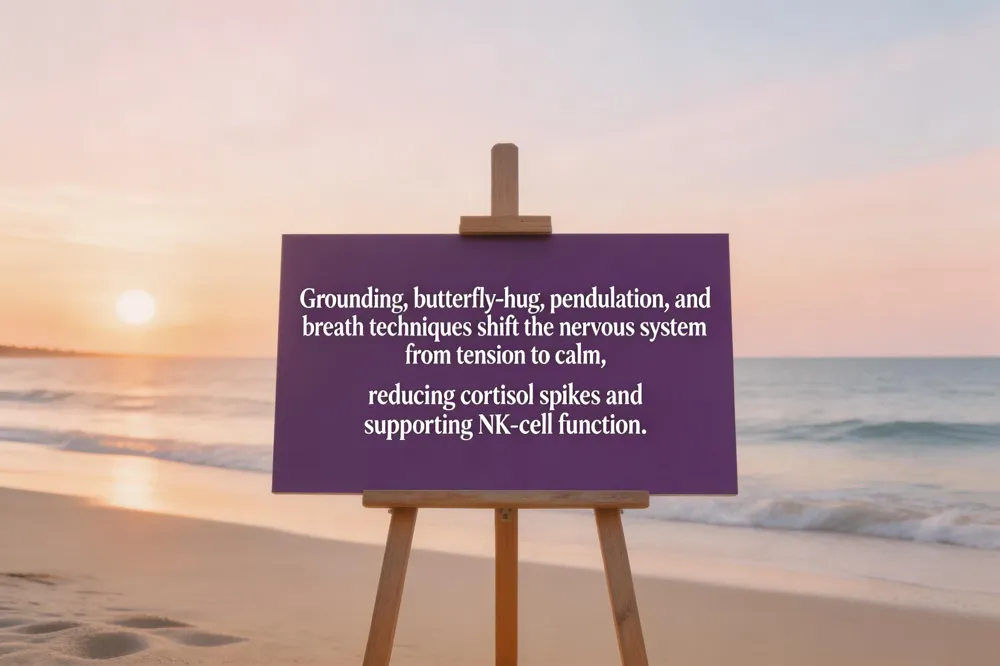
Gentle, body‑focused movements like a grounding foot‑awareness scan, butterfly‑hug bilateral tap, pendulation between comfort and discomfort, and a resonant “vooo” sound help shift the nervous system from tension to calm. These practices can be done anywhere without equipment, supporting emotional regulation and immune balance.
Somatic therapy exercises PDF
A free guide titled Reconnect with Your Body: Somatic Exercises (PDF) includes grounding techniques, body‑scan meditations, and visualization scripts. The companion Somatic Psychotherapy Toolbox PDF offers worksheets for clinicians and clients. Both are downloadable from integrative‑health websites.
Free somatic exercises to release trauma
Try grounding through your feet, the butterfly‑hug, pendulation, a full‑body scan, and humming or “Om” vibration. These low‑cost tools can be incorporated daily to reduce stress‑induced cortisol spikes and bolster natural‑killer cell activity.
12 guided Somatic Experiencing exercises
The sequence includes foot grounding, orient‑head movements, a 4‑count breath, hand‑to‑heart touch, tension‑release shaking, butterfly‑hug, figure‑8 eye‑tracking, full‑body scan, yawning‑stretching, humming, safe‑place visualization, and pendulation. Regular practice promotes resilience, improves sleep, and supports immune homeostasis.
Integrative Mind‑Body Therapies in Clinical Care
 Mind body healing Therapy
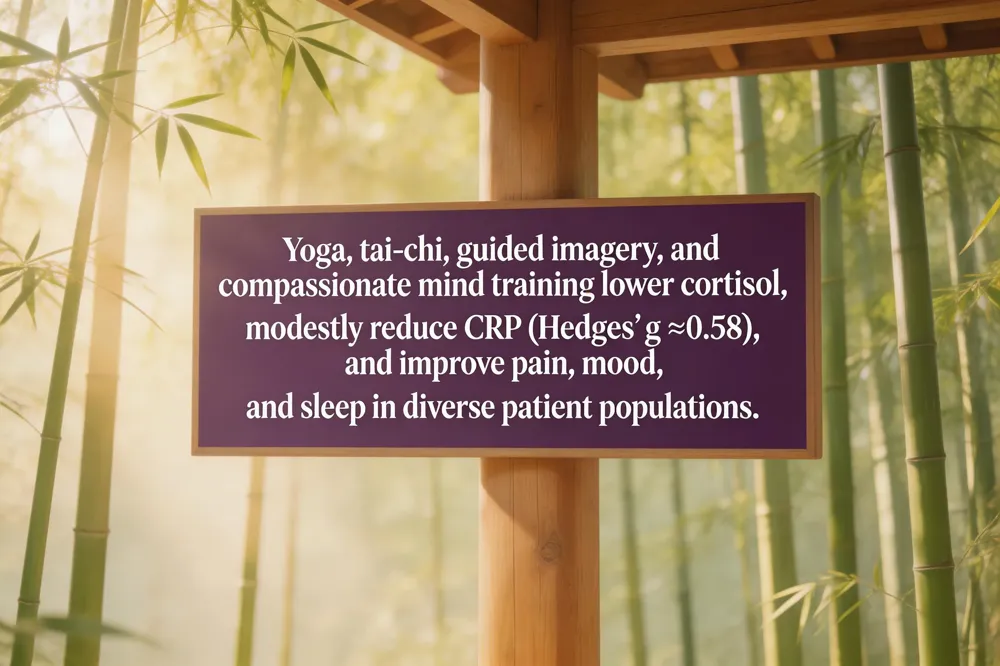
Mind‑body healing therapy harnesses the powerful link between thoughts, emotions, and physiology. Practices such as yoga, meditation, tai chi, qigong, guided imagery, and deep‑breathing lower cortisol, improve coping, and support immune and endocrine balance. Regular, low‑cost, non‑invasive sessions reduce anxiety, depression, chronic pain, fatigue, and sleep disturbances—key concerns for patients seeking holistic pain‑management and mental‑health support. Personalizing these techniques to complement detox, weight‑loss, or wellness programs empowers individuals to take an active role in their health.
Mind body healing Therapy
Mind‑body healing therapy harnesses the powerful link between thoughts, emotions, and physiology. Practices such as yoga, meditation, tai chi, qigong, guided imagery, and deep‑breathing lower cortisol, improve coping, and support immune and endocrine balance. Regular, low‑cost, non‑invasive sessions reduce anxiety, depression, chronic pain, fatigue, and sleep disturbances—key concerns for patients seeking holistic pain‑management and mental‑health support. Personalizing these techniques to complement detox, weight‑loss, or wellness programs empowers individuals to take an active role in their health.
Compassionate Mind training Compassionate Mind Training (CMT) teaches self‑compassion, compassion for others, and receiving compassion through weekly group sessions that explore the brain’s affective systems, identify self‑criticism patterns, and provide soothing inner‑state exercises. Research shows CMT reduces anxiety, depression, and distress while increasing resilience and well‑being, with benefits lasting months after completion. In a clinical setting, CMT can reinforce pain‑management, mental‑health, and detox strategies by fostering emotional regulation and a kinder self‑relationship.
Mind body healing techniques Common techniques—meditation, guided imagery, deep‑breathing, yoga, tai chi, and qigong—combine focused attention, controlled breath, and gentle movement. They lower stress hormones, enhance sleep, and have been linked to modest reductions in inflammatory markers (CRP, IL‑6 and increased natural‑killer‑cell activity, supporting immune resilience and pain relief.
Evidence for immune and pain benefits Meta‑analyses of adult studies report a moderate CRP reduction (Hedges’ g ≈ 0.58) and small, non‑significant declines in IL‑6 and TNF‑α after 7‑16 weeks of mind‑body practice. Randomized trials in pediatric populations suggest low adverse‑event rates (<5 %) and dropout (<10 %). These findings underscore the safety and potential of mind‑body therapies as adjuncts to conventional care.
Research Evidence and Safety of Mind‑Body Practices
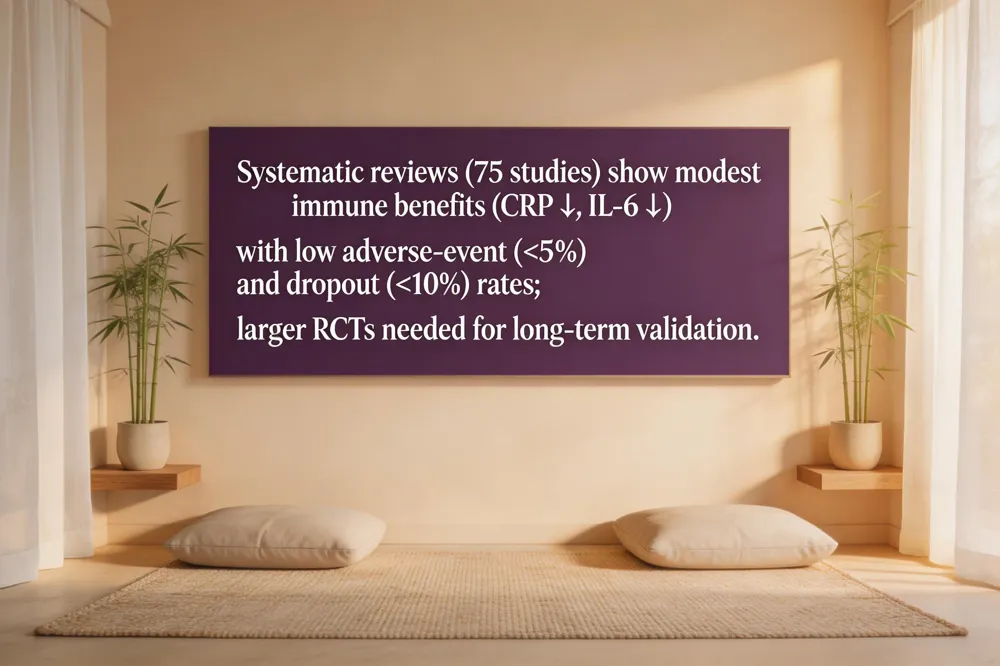 Systematic reviews of mind‑body interventions (MBIs) in children, adolescents, and adults consistently show modest immune benefits. A 75‑study review (2003‑2023) reported that meditation, yoga, and CBT lower cortisol , IL‑6, TNF‑α and CRP, while relaxation training showed the strongest evidence for enhancing natural‑killer (NK) cell activity and salivary IgA. Meta‑analyses of 34 adult trials found a moderate reduction in C‑reactive protein (Hedges’ g = 0.58, 95 % CI 0.04‑2.12) and smaller, non‑significant effects on IL‑6 (g = 0.35) and TNF‑α (g = 0.21). Pediatric safety data are reassuring: adverse‑event rates are <5 % and dropout rates <10 % for non‑invasive MBIs such as yoga, mindfulness meditation, and breathing exercises. Methodologically, studies vary in modality, dosage, and immune outcomes; risk‑of‑bias assessments (Cochrane RoB 1, ROBINS‑I, NOS highlight the need for larger, well‑controlled RCTs with standardized biomarkers and long‑term follow‑up to confirm durability of immunomodulatory effects.
Putting It All Together: A Personal Plan
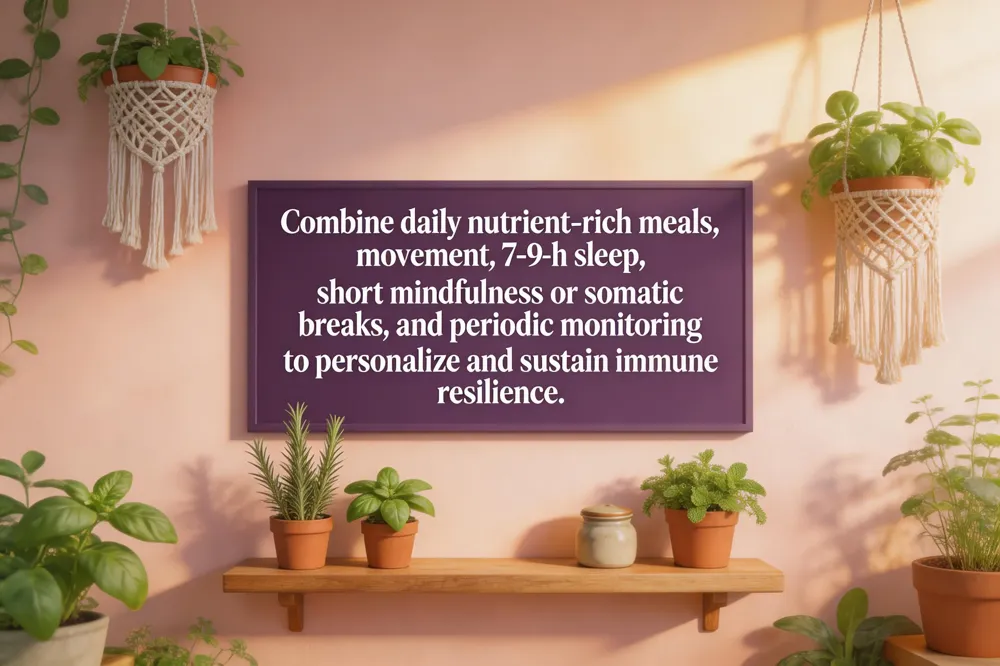 A balanced immune‑support plan weaves nutrition, movement, restorative sleep, mind‑body practice and somatic awareness into a daily rhythm that feels sustainable and personal.
Integrating nutrition, movement, sleep, mind‑body, and somatic work – Start each morning with a nutrient‑dense breakfast (e.g., berries, leafy greens, a source of vitamin D and zinc) to supply the vitamins and minerals that fuel immune cells. Follow with gentle movement—20‑30 minutes of yoga , tai chi , or a brisk walk—to boost circulation, stimulate NK‑cell activity , and improve vagal tone. Prioritize 7‑9 hours of quality sleep; dim lights an hour before bedtime and practice a short progressive‑muscle‑relaxation or guided‑imagery session to calm the nervous system. Throughout the day, incorporate brief somatic breaks: 5‑minute diaphragmatic‑breathing or a body‑scan to lower cortisol and keep the autonomic balance in check.
Practical daily routine suggestions – Example schedule:
- 07:00 – Hydration + vitamin‑C‑rich smoothie
- 07:30 – 10‑minute mindfulness meditation
- 08:00 – yoga flow (sun salutations + breath work)
- 12:30 – Balanced lunch (lean protein, colorful vegetables, probiotic yogurt)
- 15:00 – Somatic stretch + 3‑minute box‑breathing
- 18:00 – Light dinner, evening walk
- 20:00 – Progressive muscle relaxation or guided imagery
- 22:00 – Screen‑free wind‑down, sleep hygiene routine
Monitoring progress and adjusting – Keep a simple journal: note sleep hours, stress levels (0‑10), any aches, and immune‑related outcomes (e.g., frequency of colds, CRP if measured). If inflammation markers remain high, consider adding a longer meditation session or a weekly acupuncture visit. Conversely, if fatigue appears, evaluate nutrition gaps (vitamin D, zinc and adjust exercise intensity.
Resources for continued learning – Trusted sources include the NIH Mind‑Body Research portal, the NCCIH website, and peer‑reviewed systematic reviews (e.g., PROSPERO CRD42024546585. Apps such as Headspace or Calm offer guided meditations; yoga platforms (Yoga International) provide age‑appropriate sequences. For nutritional guidance, the USDA MyPlate and reputable integrative‑medicine clinics (e.g., Kaiser permanente’s wellness center) supply evidence‑based recommendations.
By personalizing each component and revisiting the plan every 4–6 weeks, patients can cultivate a resilient immune system while honoring their unique lifestyle and preferences.
Your Path to a Resilient Immune System
Mind‑body therapies such as yoga, meditation, tai chi, deep breathing and progressive muscle relaxation help lower chronic stress hormones, especially cortisol, which in turn reduces pro‑inflammatory markers like CRP, IL‑6 and TNF‑α. Adult meta‑analyses show moderate CRP reductions (Hedges’ g ≈ 0.58) and modest improvements in natural‑killer cell activity and secretory IgA, while pediatric studies suggest similarly low rates of adverse events (<5 %) and dropout (<10 %). To build a resilient immune system, start with 10‑15 minutes of daily mindfulness or diaphragmatic breathing, add a gentle yoga or tai chi session two times per week, and practice progressive muscle relaxation before bedtime. Complement these practices with balanced nutrition, adequate sleep, and regular moderate exercise. If you have chronic health concerns or autoimmune risk, consult an integrative health professional who can personalize a mind‑body program and coordinate care with your primary clinician today for optimal health.