Why Mind‑Body Practices Matter After Surgery
Post‑surgical recovery benefits from mind‑body practices that are both evidence‑based and patient‑centered. Research shows that gentle walking, focused breathing (e.g., 4‑7‑8), guided imagery, and gratitude journaling reduce pain, lower cortisol, improve circulation, and shorten hospital stays. These interventions complement conventional care such as early ambulation, multimodal analgesia, and physical therapy, enhancing pain control while decreasing opioid use. The article first outlines the physiological mechanisms—autonomic regulation, lymphatic flow, and immune modulation—then presents practical strategies for integrating breathing, meditation, and gentle movement into daily postoperative routines. Finally, it offers a roadmap for clinicians and patients to personalize a holistic recovery plan that aligns with ERAS protocols and individual goals, and supports long‑term well‑being by fostering resilience, optimism, and active participation in care.
Foundations of Mind‑Body Healing
 Mind‑body interventions are purposeful practices that engage both mental processes (attention, emotion, cognition) and physiological responses to promote health. Common modalities include yoga, tai‑chi, qigong, meditation, guided imagery, hypnosis, biofeedback, Acupuncture, massage, and expressive arts such as music or dance. Scientific studies show these techniques lower cortisol and other stress hormones, activate the parasympathetic nervous system, improve circulation, reduce pain, and enhance immune function, thereby speeding wound healing and recovery. Mind‑body healing therapy specifically harnesses the connection between thoughts, emotions, and body to lower anxiety, improve sleep, and support pain management. Techniques range from gentle movement‑based practices (yoga, tai‑chi) to breath‑focused methods (diaphragmatic breathing, 4‑7‑8 breathing) and mental visualizations. Powerful affirmations for post‑surgery recovery include statements like “I will wake up easily and feel refreshed after surgery” and “My body will work quickly to heal.” The five C’s of mindfulness—consciousness, compassion, confidence, courage, and community—guide a compassionate, patient‑centered approach to holistic healing.
Healing Phases and Physical Support
 ### What are the 4 C's of healing?
The 4 C’s are Cellular Response, Coagulation, Contamination, and Closure. Cellular Response mobilizes immune cells, fibroblasts and epithelial cells to rebuild tissue. Coagulation forms a fibrin plug that stops bleeding and provides a scaffold. Contamination is managed by infection control and debris removal. Closure creates a stable, epithelialized barrier that restores skin integrity.
### How mind‑body practices support each phase
Focused breathing and guided imagery lower cortisol, improving immune function during Cellular Response. Gentle ambulation and visualization enhance circulation, aiding Coagulation and Contamination control. Gratitude journaling and affirmations foster a positive mindset that speeds Closure and tissue remodeling.
### Isometric exercise training (IET) and bone healing
Isometric exercise training (IET) builds muscle strength and vascular maturation, accelerating bone‑specific alkaline phosphatase rise and improving graft‑to‑bone integration after orthopedic procedures.
### Herbs and natural agents that aid bone repair
Comfrey (topical or tea), horsetail (silica‑rich), and turmeric (curcumin) reduce inflammation, swelling, and support collagen formation for stronger bone healing.
### Natural pain‑relief strategies after bone surgery
Combine prescribed analgesics with cold compresses, TENS, gentle range‑of‑motion exercises, acupuncture, deep‑breathing (4‑7‑8), progressive muscle relaxation, and guided imagery to lower pain perception and opioid need.
Pre‑Surgery Mind‑Body Preparation
 Mindfulness before surgery calms the nervous system, lowers blood pressure and heart rate, and reduces anxiety, helping the body enter relaxed state that supports faster wound healing and shorter hospital stays. Practicing 20‑40 minutes of guided breathing or body‑scan meditation a few days before the operation improves sleep and mood.
Kaiser’s pre‑surgery meditation program offers a CD or podcast of guided imagery and affirmations; listening twice for two‑to‑three days before surgery promotes relaxation, reduces perceived pain and can shorten recovery.
Guided imagery before surgery uses visualizations—such as a peaceful beach or a healing light—to lower cortisol, improve sleep and prepare mind for procedure. Sessions of 20‑minute audio recordings twice a day are effective.
Pre‑surgery hypnosis briefly induces calm state, decreasing anxiety, opioid needs and postoperative nausea, thus speeding recovery.
YouTube hosts videos like Northwell Health’s “Guided Imagery for a Successful Surgery” and Abigail Morrissey’s “Meditation for Surgery,” which provide breathing and visualizations for practice.
Post‑Surgery Mind‑Body Practices
 Pre‑operative meditation calms the nervous system and eases the intense fear that often precedes surgery. Sitting comfortably, breathing slowly, and observing chest or shoulder tension allows worries to surface without judgment; a simple mantra—“I am safe, I trust my surgeon, I am calm”—repeated with an 8‑second inhale‑hold‑exhale pattern reduces anxiety and improves sleep. After the operation, a gentle guided meditation with deep breathing and a full‑body scan lowers pain perception, blood pressure, and encourages restorative parasympathetic activity; visualizing warm light flowing to the surgical site supports tissue regeneration and, combined with gratitude and positive affirmations, speeds recovery. Non‑pharmacological pain relief includes cold‑pack or heat therapy, TENS, acupuncture, guided imagery, music distraction, and early ambulation; education and realistic expectations further diminish perceived pain. Natural pain control also relies on hydration, protein‑rich anti‑inflammatory foods, and mind‑body practices that lower cortisol and inflammation. Mind‑body techniques such as yoga, Tai Chi, and progressive muscle relaxation modulate the brain’s pain matrix, while CBT reframes pain thoughts. Daily gratitude journaling and “I intend” affirmations boost optimism, resilience, and adherence to rehab, contributing to faster functional milestones.
Integrative Pain Management and Medication Strategies
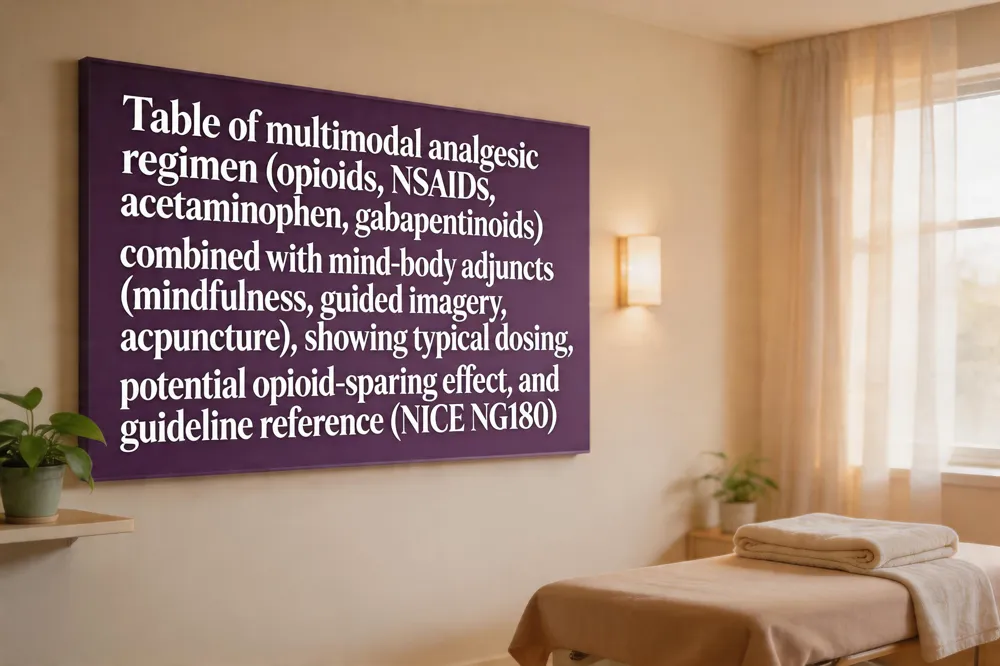 List of pain medication after surgery
Post‑operative regimens typically combine opioids (e.g., oxycodone, hydromorphone, tramadol) for moderate‑to‑severe pain with NSAIDs (ibuprofen, naproxen, celecoxib) and acetaminophen to reduce inflammation and opioid needs. Topical anesthetics, muscle relaxants, gabapentinoids, and low‑dose antidepressants may be added for localized or neuropathic discomfort.
Pain management post‑surgery NICE guidelines
NICE NG180 advises a multimodal approach: paracetamol ± NSAIDs as first‑line, reserving the lowest effective opioid dose, using patient‑controlled delivery when needed, and integrating enhanced‑recovery pathways that include pre‑operative education and regular pain reassessment.
Postoperative pain management journal articles
Recent trials and meta‑analyses show that mindfulness‑based stress reduction , guided imagery , deep‑breathing , and gentle movement lower pain scores, opioid consumption (by ≈ 30 %), and hospital stay length, supporting a holistic, patient‑centred protocol.
What are the top 5 worst surgeries to recover from?
Open calc‑bone surgery, spinal fusion, myomectomy, proctocolectomy, and complex spinal reconstruction rank highest for postoperative pain and prolonged recovery.
Pain control after surgery
Begin with clear,‑operative dialogue, employ a multimodal medication plan, and augment with mind‑body techniques (breathing, visualization, acupuncture) to reduce anxiety, promote circulation, and accelerate healing.
Holistic Lifestyle, Nutrition, and Long‑Term Recovery
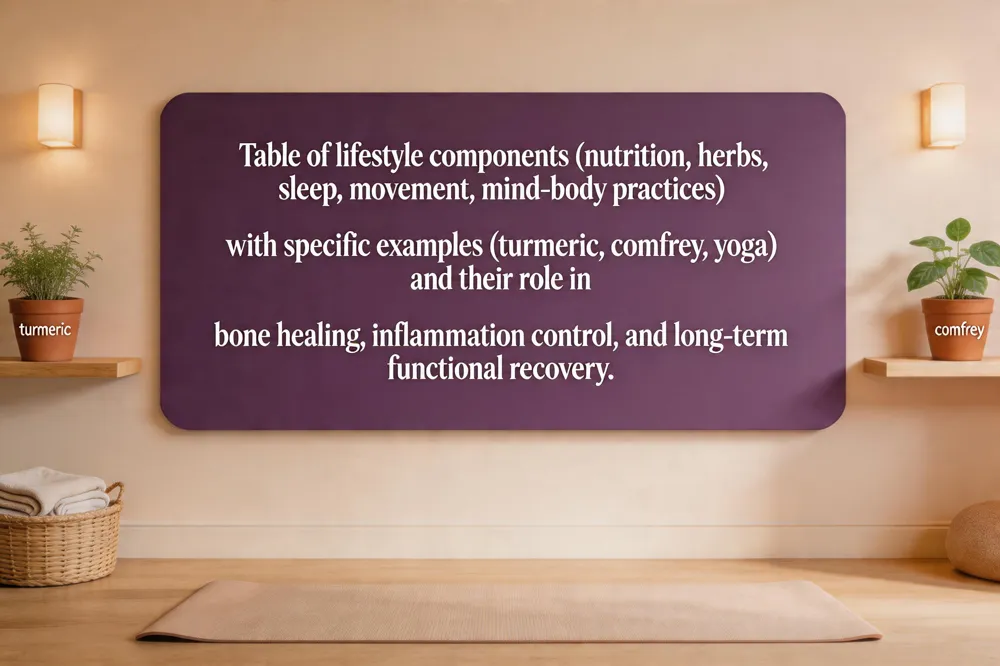 A holistic lifestyle after surgery blends targeted nutrition, gentle movement, sleep, gratitude, and mind‑body practices to promote lasting recovery.
Subconscious mind healing techniques
Guided meditation](https://shop.healfaster.ca/blogs/news/how-mind-body-techniques-can-enhance-healing-processes?srsltid=AfmBOooT7ToqEiiOz_Ra2eP3SPmTzlHp9eSNH_3NoAxthoFEqA3ZgyxZ), self‑hypnosis](https://austinpaindoctor.com/home-remedy-treatments-that-can-support-your-postoperative-pain), and inner‑child visualizations release trauma; affirmations and journaling re‑program beliefs, easing pain.
Herbs to help bones heal
Comfrey tea, silica‑rich horsetail, and turmeric support collagen, mineralization, and reduce swelling for bone repair.
Health journeys surgery
Health Journeys' guided‑imagery audio visualizes a calm OR and post‑op affirmations, cutting anxiety and opioid need.
Mind‑body practices examples
Meditation, yoga, tai‑chi, qigong, acupuncture, massage, guided imagery, music, and dance blend breath and movement to lower stress.
What causes pain after 3 months of surgery?
Persistent pain stems from lingering inflammation, nerve injury, central sensitization, scar tissue, or complications like infection or hardware irritation.
Herbal reality arthritis
Herbal Reality uses turmeric, Boswellia, willow bark, nettle, and ginger plus diet, gentle movement, and stress reduction to support joint health.
Putting It All Together for a Faster, Healthier Recovery
Successful recovery hinges on a balanced blend of evidence‑based medicine and holistic care. Begin by pairing early ambulation—walking as soon as safely possible—with guided breathing (4‑7‑8) that lowers heart rate, improves oxygen delivery, and reduces cortisol. Add gentle movement such as ankle pumps, seated marching, or chair‑based yoga to keep circulation flowing and prevent clots. Support these practices with a nutrient‑dense diet rich in protein, vitamin C, zinc and omega‑3s, and stay hydrated to aid tissue repair. Adjust pain medication to the lowest effective dose, using opioid‑sparing options like NSAIDs or regional blocks while mind‑body techniques further blunt pain signals. Tailor the schedule to the patient’s surgery type, age, and baseline mindfulness score, reviewing labs and functional milestones weekly. Finally, encourage a lasting routine of gratitude journaling, meditation, and progressive stretching, empowering patients to sustain well‑being long after discharge.