Why Integrative Mental Health Matters Today
Mental‑health disorders affect roughly half of the population over a lifetime, and recent surveys show that 60‑70 % of patients already turn to complementary therapies to manage anxiety, insomnia, and depression. While medication can relieve acute symptoms, it often leaves residual side‑effects, offers limited support for emotional regulation, and may not address the lifestyle factors that fuel distress. This has spurred rapid growth in integrative and holistic care models that blend evidence‑based psychotherapy, pharmacology, and patient‑centered interventions such as yoga, mindfulness, acupuncture, art therapy, and nutrition counseling. These models prioritize the mind‑body connection, tailor treatment to each person’s preferences and clinical history, and foster therapeutic alliances that enhance engagement and outcomes. In the sections that follow, we will explore the scientific evidence supporting key integrative modalities, describe how professional supervision and collaborative teams ensure safety, and outline practical steps for embedding personalized, whole‑person care into everyday mental‑health practice.
Defining Integrative Mental Health
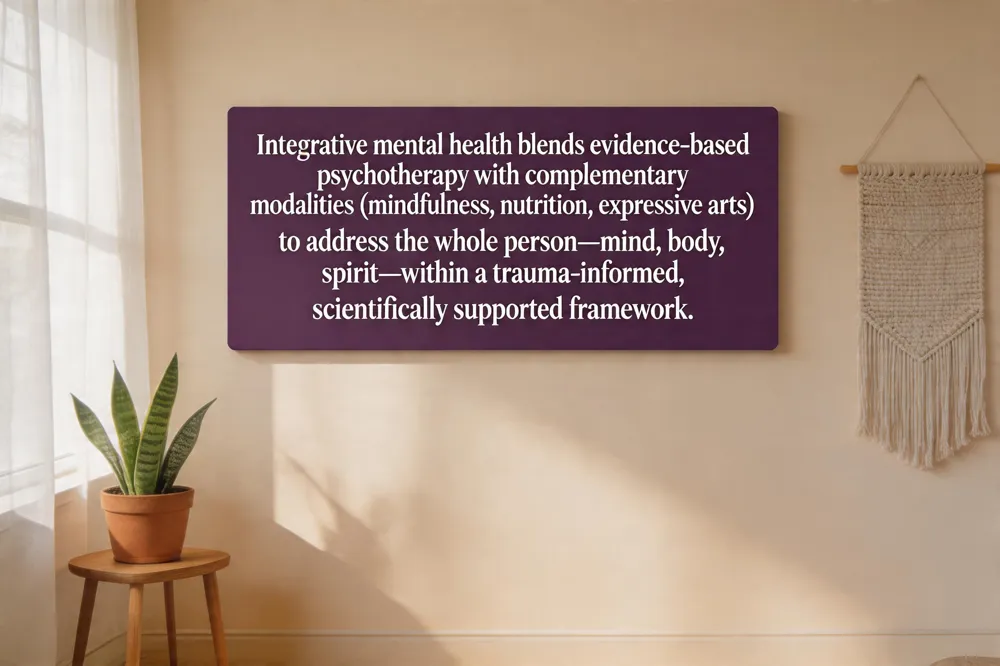 Integrative mental health blends conventional evidence‑based therapies with complementary modalities to treat the whole person—physically, emotionally, mentally, and spiritually. Practitioners first assess an individual’s comprehensive needs, then create a personalized plan that may include talk therapy, mindfulness, nutrition or gut‑brain support, and expressive arts. This model uses conventional counseling as the clinical anchor while incorporating holistic practices that promote overall well‑being and resilience. It rests on an evidence‑based framework, ensuring each component is scientifically supported and tailored to the client’s unique situation. Trauma‑informed care is central, fostering safety, empowerment, and collaborative decision‑making. The approach emphasizes whole‑person care, integrating mind‑body connection, lifestyle factors, and social determinants to achieve lasting wellness rather than merely treating isolated symptoms.
Professional Credentials and Certifications
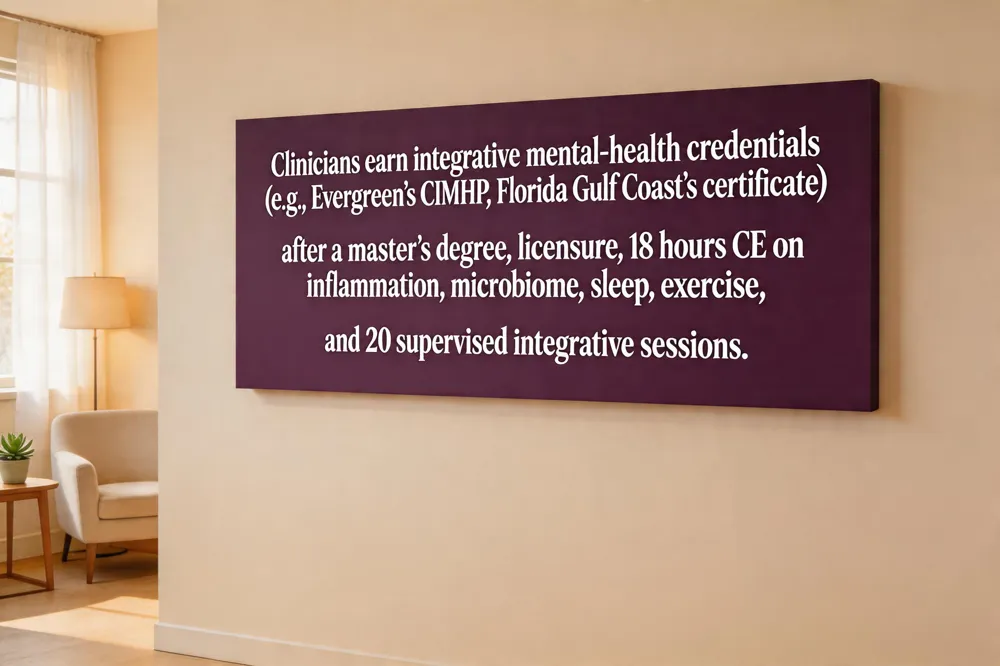 Integrative mental‑health certification equips clinicians to blend psychotherapy with evidence‑based complementary therapies—nutrition, herbal medicine, mind‑body practices, and lifestyle interventions. Eligibility includes a master’s‑level degree and a current license; candidates must complete at least 18 hours of CE covering inflammation, microbiome, sleep, exercise, and non‑pharmaceutical planning, plus 20 integrative clinical sessions. Programs such as Evergreen Certifications’ CIMHP or Florida Gulf Coast University’s Certificate in Integrative Behavioral Health provide the required coursework and recognized credentials.
The Integrative Psychiatry Institute (IPI) receives strong praise for its evidence‑based curriculum, culturally‑sensitive environment, and expert faculty. Alumni report practical skills for integrating psychedelic‑assisted therapy, reduced burnout, and enhanced patient outcomes, underscoring IPI’s solid reputation among mental‑health professionals.
Clinical Evidence and Patient Experiences
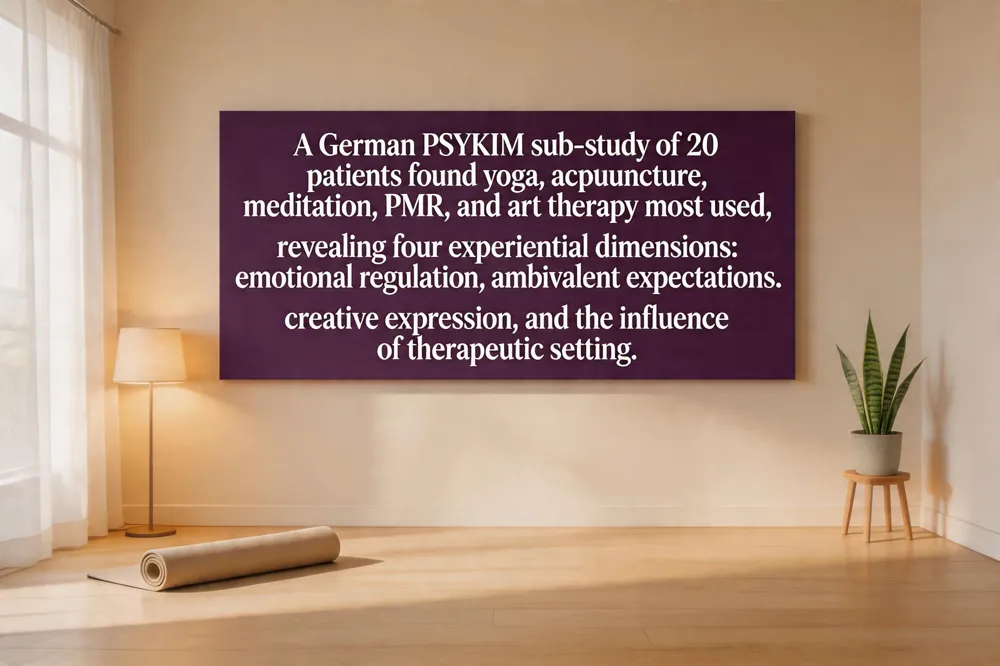 The Qualitative sub‑study of PSYKIM interviewed 20 mental health patients in Germany about their use of complementary and integrative medicine (CIM). Most frequently used CIM therapies: yoga, acupuncture, meditation, progressive muscle relaxation, art therapy were reported. Across these modalities participants described Four experiential dimensions: emotional regulation, individual prerequisites, creative expression, therapeutic setting: (1) CIM helped calm anxiety, reduce tension, improve sleep, increase body awareness – practices such as yoga, meditation and PMR helped quiet anxious thoughts, lower tension, improve sleep and increase body awareness; (2) Ambivalent experiences: unmet expectations, emotional distress, physical discomfort, perceived lack of effect – some patients felt frustration when expectations were unmet, experienced emotional distress during meditation or physical discomfort in yoga, or perceived no benefit from certain treatments; (3) Art therapy enabled emotional processing and self‑exploration – art therapy enabled non‑verbal exploration of distress, turning painful feelings into tangible forms; and (4) Therapeutic setting (professional guidance, group dynamics, environment) shaped benefits and harms – professional guidance, group dynamics, physical environment and a sense of safety significantly shaped whether CIM was perceived as beneficial or harmful. The study underscores that Conclusion: CIM experiences are highly individualized, requiring personalized implementation and supervision, highlighting the need for personalized implementation, professional supervision, and open communication about both potential benefits and risks.
Integrative Care Models and Outcomes
 Integrative care models unite psychiatrists, primary‑care doctors, nutritionists, physical therapists and complementary‑medicine providers in teams. Frameworks like the Collaborative Care Model embed mental‑health specialists in primary clinics, enabling PHQ‑9 and GAD‑7 screening, shared records and handoffs. When anxiety or depression co‑exists with diabetes, heart disease or chronic pain, the team treats both mental and physical conditions, lowering readmissions, medication side‑effects and costs. Meta‑analyses show 20‑30 % reductions in depressive scores and anxiety improvement, while improving sleep and activity. Community hubs and tele‑health extend services to underserved groups, addressing equity barriers.
An integrative collaborative care model for people with mental illness and physical comorbidities – A team combines pharmacotherapy with nutraceuticals, lifestyle coaching, mindfulness and exercise, using shared records and regular case meetings to adjust treatment, improving symptoms and lowering costs.
Integrative psychiatry near me – In Houston, Integrated Psychiatry (5444 Westheimer Rd Suite 1535) and Texas Holistic Psychiatry offer medication, TMS, Spravato®, mindfulness and tele‑medicine.
Holistic mental health near me – Search “holistic therapy” on Zencare; Colorado providers such as Owl & Eagle Health and Wellness combine medication, nutrition, yoga and counseling, offering in‑person and tele‑health care.
Integrative Clinics and Local Resources
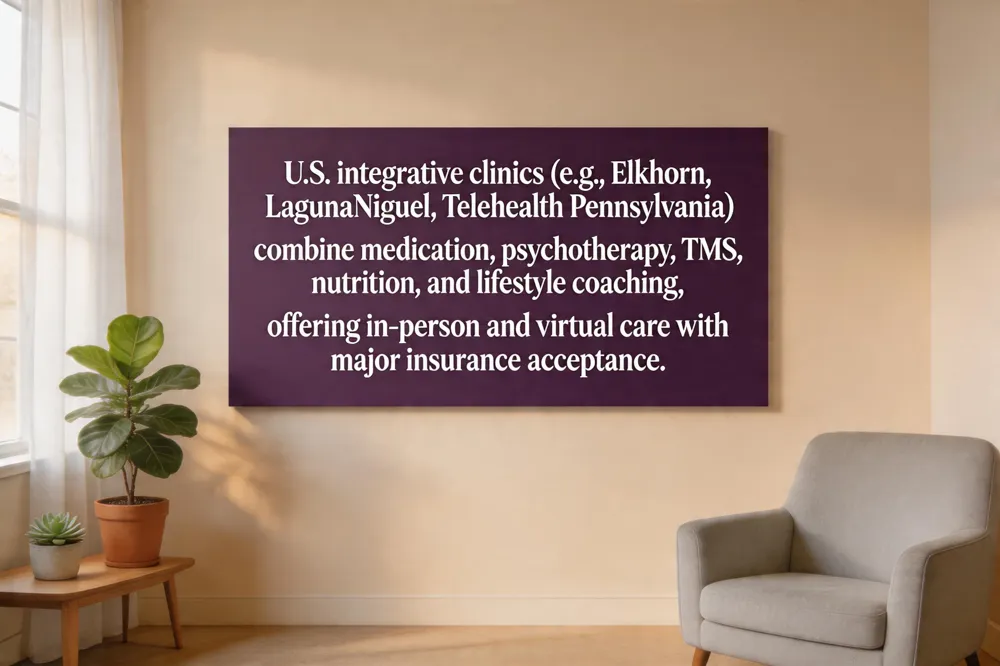 Integrative clinics across the U.S. blend conventional psychiatry with mind‑body therapies, nutrition counseling, and lifestyle coaching. Most locations offer on‑site pain‑management, detoxification, and weight‑loss programs that are coordinated with medication management and psychotherapy, creating seamless, patient‑centered pathways.
Integrative Psychiatry Elkhorn (20324 Veterans Drive, Suite 104, Elkhorn, NE) provides psychiatric evaluations, medication management, psychotherapy, and NeuroStar TMS. Led by psychiatric nurse practitioner Macy Kasperbauer, the practice tailors each plan to emotional, physical, and spiritual health, accepting major insurances and cash.
Integrative Psychiatry Laguna Niguel (29982 Ivy Glenn Dr Ste 203, Laguna Niguel, CA 92677) delivers medication management, CBT, and TMS for treatment‑resistant mood disorders. Dr. Vitaliy Shaulov’s team uses neuro‑transmitter and genetic panels to uncover root causes, offering flexible in‑person and telehealth visits and comprehensive insurance support.
Integrative Psychiatry of America (telehealth, Pennsylvania) combines medication, psychotherapy, nutritional counseling, exercise education, hormone therapy, and genetic labs under board‑certified PMHNP Christopher Clark, MSN. The virtual model expands access, integrates pain, detox, and weight‑loss services, and works with most major insurers. This approach ensures comprehensive, compassionate care for diverse populations.
Research on Holistic Practices
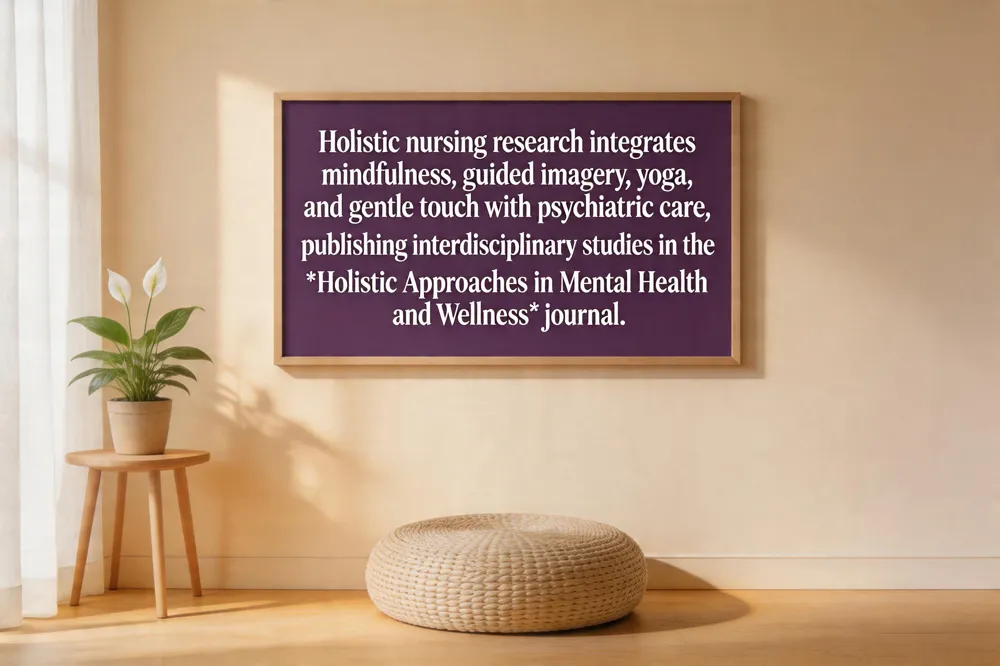 Holistic care in mental‑health nursing treats each client as a whole person, blending evidence‑based psychiatric interventions with complementary practices such as mindfulness, guided imagery, breathwork, yoga, or gentle touch therapies. By fostering a therapeutic presence and safe, trusting relationships, nurses uncover lifestyle, nutrition, or trauma‑related factors that contribute to distress, promoting resilience, empowerment, and lasting quality of life.
The peer‑reviewed Holistic Approaches in Mental Health and Wellness journal showcases interdisciplinary research on mind‑body, spiritual, and community‑based interventions. Led by Dr. Nikolaos Andreas Chrysanthakopoulos, the journal publishes original studies, systematic reviews, and case reports that integrate yoga, meditation, acupuncture, expressive arts, and nature‑based therapies with conventional care, reflecting a commitment to evidence‑based holistic strategies.
A holistic approach to mental health addresses mental, emotional, physical, spiritual, and social dimensions. By examining nutrition, movement, stressors, and relational factors, practitioners can reduce anxiety, insomnia, and mood swings—often matching or enhancing medication effects—while strengthening self‑esteem and overall wellness.
Practical Tools and Techniques
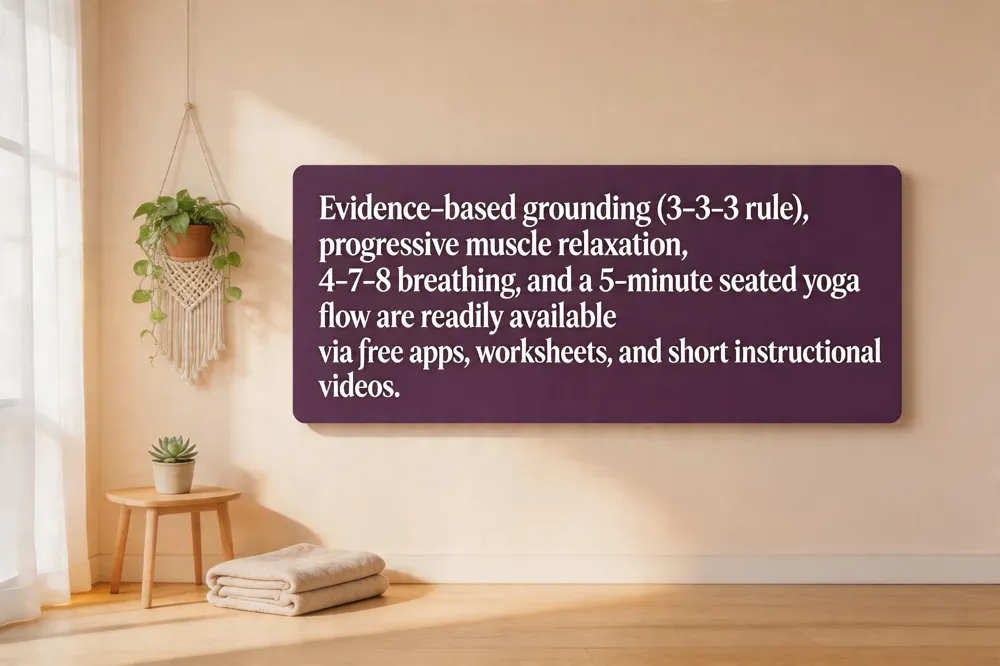 Grounding strategies are simple, evidence‑based ways to pull the mind out of spiraling thoughts and into the present. One of the most accessible is the 3‑3‑3 rule, a quick grounding technique used to interrupt panic or anxiety by anchoring your attention in the present moment. First, pause and name three objects you can see around you, then shift to noticing three distinct sounds you hear. Next, move three parts of your body—such as squeezing your shoulders, pressing your feet into the floor, and tapping your fingertips—while paying attention to the sensations. By engaging visual, auditory, and tactile senses, the exercise helps calm the nervous system and reduces the intensity of overwhelming thoughts. Mind‑body exercises for daily use include brief progressive muscle relaxation, mindful breathing (4‑7‑8), and a 5‑minute seated yoga flow that combines gentle spinal twists and diaphragmatic breathing. Resources for self‑guide are plentiful: free apps like Insight Timer, printable grounding worksheets, and short video series from reputable integrative health centers that demonstrate these techniques step‑by‑step.
Future Directions, Conferences, and Emerging Therapies
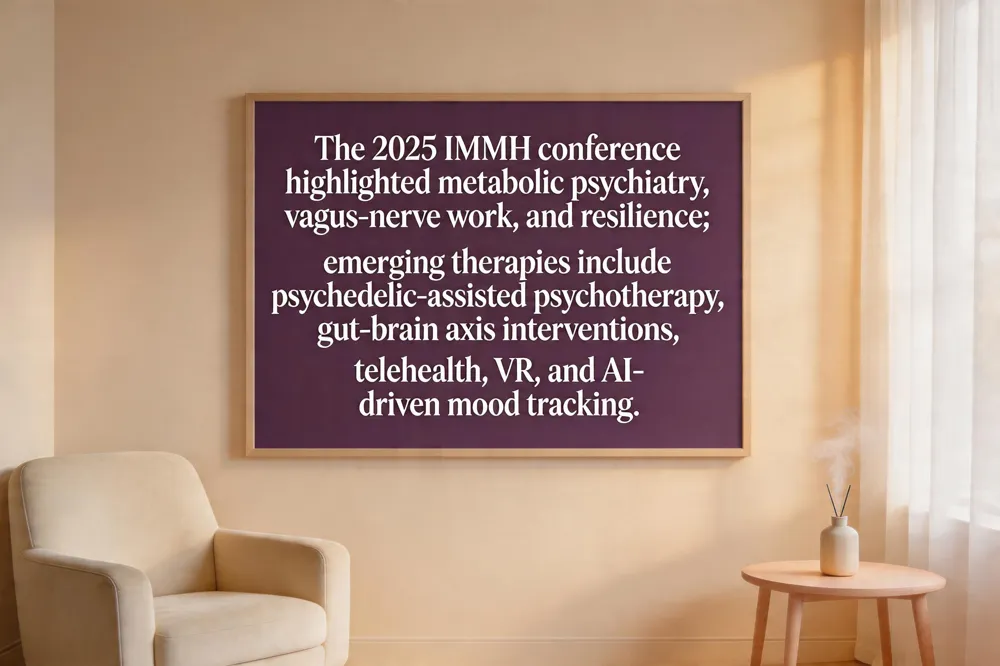 The 2025 IMMH conference for Mental Health (IMMH) conference, held Sept 11‑14 at San Diego’s Town and Country Resort, blended biochemistry, psycho‑spiritual care, nutrition and lifestyle. Highlights featured Dr Lustig on metabolic psychiatry, Dr Winters on the vagus nerve, and Dr Maté on resilience, plus hands‑on workshops in breathwork, nutrition and neuroplasticity. The event underscored personalized, root‑cause strategies for anxiety, depression, ADHD and chronic mental‑health conditions.
Psychedelic‑assisted therapy is moving from experimental to mainstream. Ketamine‑assisted psychotherapy (KAP) and psilocybin trials now show rapid reductions in depressive symptoms and PTSD intrusions, with safety protocols integrated into standard care pathways. Training programs such as the Integrative Psychiatry Institute equip clinicians with evidence‑based psychedelic competencies.
Research on the gut‑brain axis reveals that diverse microbiota, fiber‑rich diets and targeted probiotics can modulate inflammation and neurotransmission, offering a non‑pharmacologic lever for mood regulation.
Telehealth platforms and digital tools—wearable brain‑sensing headbands, virtual reality exposure, and AI‑driven mood‑tracking apps—maintain treatment efficacy while expanding access, especially for rural and underserved populations, and improve continuity of care.
Putting It All Together: The Promise of Integrative Care
Across dozens of studies—from the German PSYKIM qualitative interview series to large‑scale meta‑analyses of yoga, mindfulness, acupuncture, and nutrition—research consistently shows that complementary and integrative medicine (CIM) can calm anxious thoughts, improve sleep, and boost body awareness when delivered in a supportive therapeutic setting. In clinical practice, these findings translate into personalized pathways that blend evidence‑based psychotherapy, medication, and mind‑body techniques such as meditation, progressive muscle relaxation, and expressive art therapy. Patient empowerment is central: open communication about benefits, risks, and individual prerequisites enables people to co‑design treatment plans that respect their values, cultural background, and health‑equity barriers. Providers are called to deepen inter‑professional collaboration, adopt standardized outcome tools (PHQ‑9, GAD‑7), and embed CIM specialists within primary‑care or specialty teams. Looking ahead, expanding randomized trials, multimodal protocols, and AI‑driven personalization promise to refine the evidence base, reduce reliance on high‑dose pharmacotherapy, and make whole‑person mental health care a routine option for all patients.