Understanding Integrative Pain Relief
Integrative pain care blends conventional medicine with evidence‑based complementary therapies—such as acupuncture, therapeutic exercise, and patient education—to treat the whole person. It follows the biopsychosocial model, recognizing that pain arises from intersecting biological, psychological, and social factors. By coordinating multiple modalities, clinicians can target diverse pain pathways, reduce reliance on opioids, and empower patients to actively manage their health, leading to more durable relief and improved quality of life.
Acupuncture: Mechanisms, Safety, and Practical Details
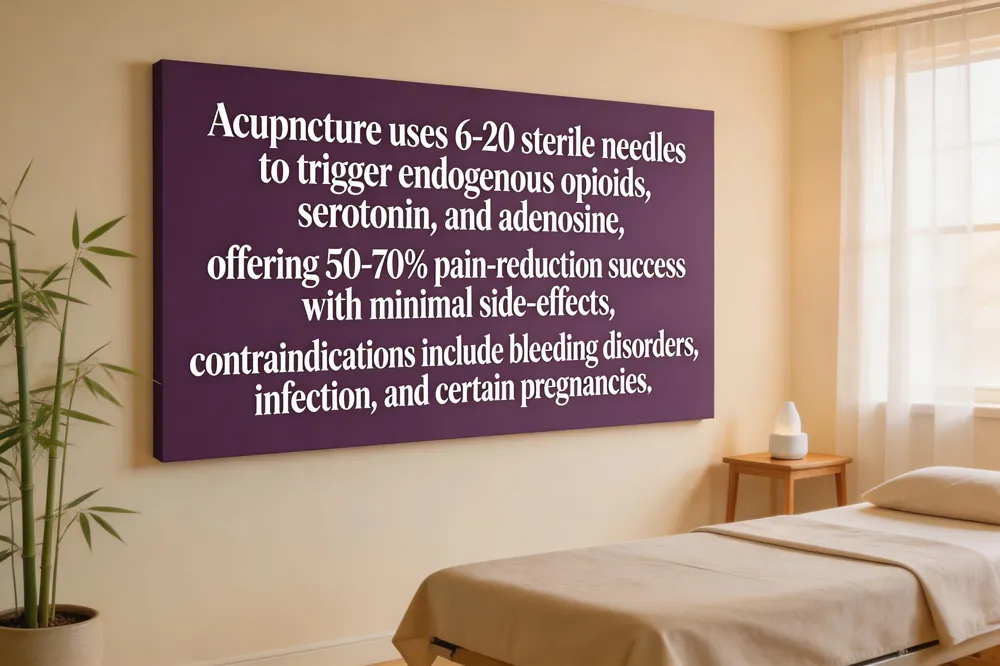 Acupuncture is a invasive modality that Acupuncture stimulates peripheral nerves to release endogenous opioids, serotonin and adenosine, reducing pain. How many needles are used in acupuncture? Typical sessions use 6‑10 disposable needles for a focused complaint; extensive treatments may involve 15‑20 or more for sites. Contraindications to acupuncture Absolute contraindications include severe bleeding disorders, uncontrolled anticoagulation, local infection or open wounds. Relative cautions involve pregnancy (especially abdominal points), pacemakers, immunocompromised states and severe needle phobia. CDC perspective The CDC does not issue clinical protocols but acknowledges acupuncture as a therapy when performed by licensed practitioners, urging sterile technique and referring to NCCIH for evidence. Pros and cons of acupuncture Benefits are few side‑effects and analgesia comparable to NSAIDs; drawbacks include need for sessions, response, and contraindications for some patients. Acupuncture as complementary therapy It synergizes with exercise, manual therapy and pain‑neuroscience education, enhancing outcomes and reducing opioid use. Acupuncture success rate Meta‑analyses report 50‑70 % of patients achieve pain reduction after 6‑12 sessions, with effects lasting months.
Exercise as a Pain‑Modulating Tool
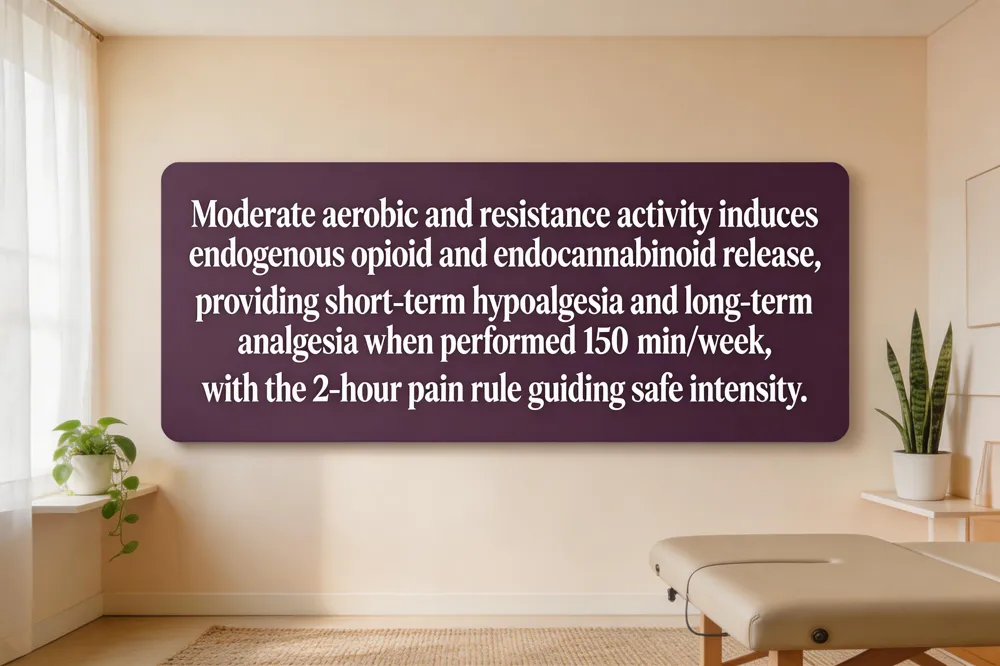 Exercise‑induced hypoalgesia (EIH) is a brief, generalized rise in pain tolerance that follows moderate‑intensity activity. A single aerobic or resistance session activates endogenous opioids, endocannabinoids, and descending brainstem inhibition, while regular 8‑12‑week training can produce longer‑lasting analgesia. Aerobic exercise such as brisk walking, swimming, or cycling improves circulation, reduces inflammation, and releases endorphins, making it a cornerstone of chronic‑pain care; aim for at least 150 minutes per week, starting gently and building up. Walking often emerges as the most effective low‑impact movement because it strengthens supporting muscles and enhances joint nutrition; short daily bouts of 15‑20 minutes, paired with simple back stretches, yield measurable relief. A balanced seven‑exercise program includes: 1) walking, 2) aquatic therapy, 3) gentle yoga or tai chi, 4) core‑strengthening (planks, bridges), 5) resistance‑band work, 6) targeted stretching of back, hips, neck, and 7) low‑impact marching or step‑ups. Leg discomfort during or after activity is usually delayed‑onset muscle soreness; severe, persistent, or swelling‑associated pain warrants medical evaluation. The 2‑hour pain rule advises that post‑exercise discomfort should subside to baseline within two hours—if not, reduce intensity or duration for the next session.
Physical Therapy and Pain Education Integration
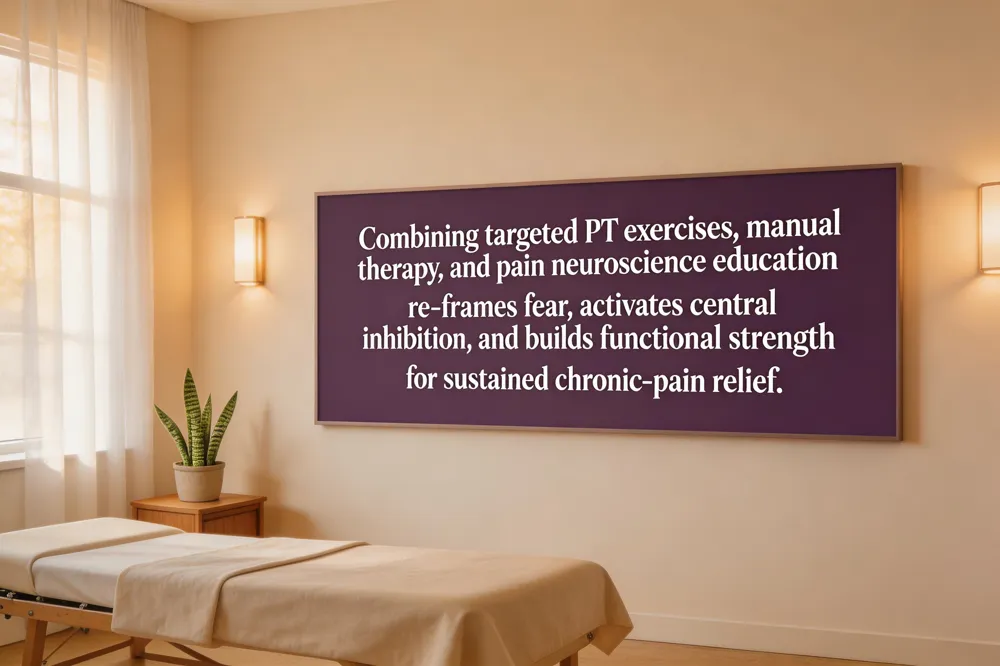 Integrating physical therapy with pain neuroscience education creates a patient‑centered roadmap that tackles both the mechanical and neuro‑cognitive drivers of chronic discomfort.
Physical therapy pain management – Therapists blend targeted therapeutic exercises, manual techniques, and modalities such as heat, cold, TENS, or ultrasound to improve strength, flexibility, and joint mobility while easing stress on painful tissues. By explaining nervous‑system sensitization and the brain’s role in pain, they help patients re‑frame fear and anxiety, which can amplify symptoms. Advanced strategies like graded motor imagery and exposure further desensitize the nervous system, and a personalized home program reinforces gains for long‑term relief.
How does exercise reduce pain? – Physical activity triggers the release of endogenous opioids (endorphins) and serotonin, blunting pain signals in the spinal cord and brain. It improves circulation, lowers inflammatory mediators, and strengthens muscles that support joints, reducing mechanical stress. Central inhibitory pathways are activated, raising pain thresholds, while mood‑enhancing effects lower emotional amplification of pain.
Exercise for chronic pain – Begin with low‑impact aerobic activities (walking, swimming, stationary cycling) 3‑5 times weekly for 20‑30 minutes, gradually increasing duration. Add gentle stretching and core‑strengthening moves 2‑3 times weekly to boost flexibility and joint support. Consistency is key; move daily to avoid “crash‑and‑burn” flare‑ups, and consult a provider to tailor intensity safely.
Exercise and pain management – Regular aerobic and resistance training yields exercise‑induced hypoalgesia, strengthens muscle support, and improves cardiovascular health, all of which diminish chronic pain. Mind‑body practices such as yoga and tai chi combine movement with breath awareness, addressing both physical stiffness and mental stress. When individualized and progressed thoughtfully, these programs break pain‑avoidance cycles, fostering functional improvement and overall well‑being.
Integrated Pain Solutions: Clinics and Locations
 An integrated pain solution blends conventional medicine with evidence‑based complementary modalities—acupuncture, massage, laser, physical therapy, behavioral counseling, and patient education to address the biological, psychological, and social facets of pain. Treatments are coordinated in a person‑centered plan that delivers interventions simultaneously or sequentially for additive or synergistic effects, aiming to lower pain, improve function, and enhance quality of life.
Integrative pain therapy is a deliberately combined, mechanism‑guided approach that pairs two or more proven treatments (e.g., osteopathic manipulation + acupuncture, yoga + strength training, or mindfulness + education). By targeting different pain pathways, the therapy produces greater relief than any single modality and encourages active patient participation.
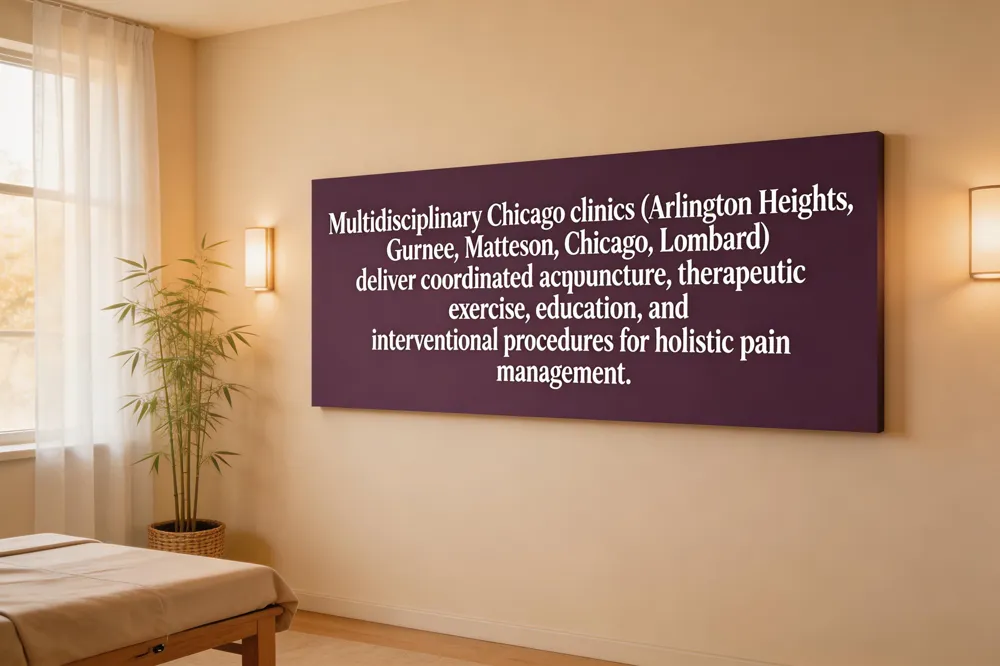
Integrated Pain Management clinics serve the Chicago area and surrounding Illinois: Arlington Heights (415 W Golf Rd #3), Gurnee (3900 Washington St Unit U), Matteson (4749 Lincoln Mall Dr # 502), Chicago (4906 N Western Ave), and Lombard (244 E Roosevelt Rd). Each site offers a multidisciplinary team that delivers acupuncture, therapeutic exercise, education, and advanced interventional procedures, providing convenient, holistic care for chronic musculoskeletal pain.
Evidence and Patient Perspectives
 Acupuncture, a traditional Chinese‑medicine practice inserting fine needles at specific points, has grown in the United States and is supported by clinical research. Systematic reviews show modest but meaningful pain reductions for chronic low‑back, neck, knee osteoarthritis and shoulder conditions, lasting up to a year after a 6‑12‑session course. The therapy is safe when delivered by trained practitioners, with mild bruising or soreness reported; contraindications include pacemakers, pregnancy, or needle‑phobia. Patients in integrated pain‑management programs that combine acupuncture, tailored exercise, and education report lower pain scores, improved function and high satisfaction, although staff surveys note workplace challenges. Pros of acupuncture include few systemic side effects, activation of endogenous opioids, and a therapeutic ritual; cons are the need for multiple sessions, variable outcomes, and limited suitability for some individuals. Success rates hover around 50‑70 % for noticeable pain relief. The most effective holistic reliever is a combined approach of anti‑inflammatory nutrition, low‑impact movement such as yoga or swimming, mind‑body techniques, and evidence‑based complementary therapies like acupuncture.
Holistic Lifestyle Factors Supporting Pain Relief
 A well‑balanced diet rich in anti‑inflammatory foods—such as omega‑3 fatty acids, colorful fruits, vegetables, and whole grains—can lower systemic cytokines that amplify pain signals, while adequate protein supports muscle repair and joint stability. Sleep hygiene is equally vital; regular bedtime routines, limited evening caffeine, and a dark, cool bedroom promote restorative sleep, which reduces the heightened pain sensitivity that accompanies fatigue. Mind‑body practices like yoga, tai chi, and mindfulness meditation activate the parasympathetic nervous system, release endorphins, and improve body awareness, all of which blunt pain pathways. Effective stress management—through deep breathing, progressive muscle relaxation, or guided imagery—diminishes cortisol spikes that otherwise exacerbate inflammation and muscle tension. Finally, patient empowerment through pain neuroscience education equips individuals with an understanding of how the brain interprets threat, encouraging active participation in exercise, self‑care, and lifestyle changes that sustain long‑term relief.
Your Path Forward with Integrative Pain Relief
Takeaway points: Integrative pain care blends acupuncture, tailored exercise, and education to reduce pain, improve function, and lower reliance on opioids. The combination leverages endogenous opioid release, exercise‑induced hypoalgesia, and pain‑neuroscience understanding for synergistic relief.
Next steps for patients: 1) Schedule a comprehensive assessment with an integrative pain clinic. 2) Discuss a personalized plan that includes weekly acupuncture sessions, a gradual exercise program, and brief pain‑neuroscience education. 3) Set realistic goals and track progress with a pain diary.
Contact information: Call the Integrated Pain Management Center at 555‑123‑4567 or visit www.integratedpain.org for appointments.