
A Two Way Relationship
Sleep, stress, and mood are closely connected. A difficult day or ongoing worry can keep the body alert at night, while poor sleep may leave someone more irritable and less able to manage everyday pressure. This relationship can run in both directions, and the pattern differs from person to person, as Harvard’s sleep and mood overview explains.
Looking at sleep habits can be a useful place to start, but it is not a substitute for care when symptoms persist. At eclipsewellness.net, an integrative approach considers mental health, physical health, and the mind-body connection together, with attention to each person’s circumstances. A healthcare provider can help assess ongoing sleep or mood concerns and discuss suitable next steps.
How Sleep and Mood Affect Each Other
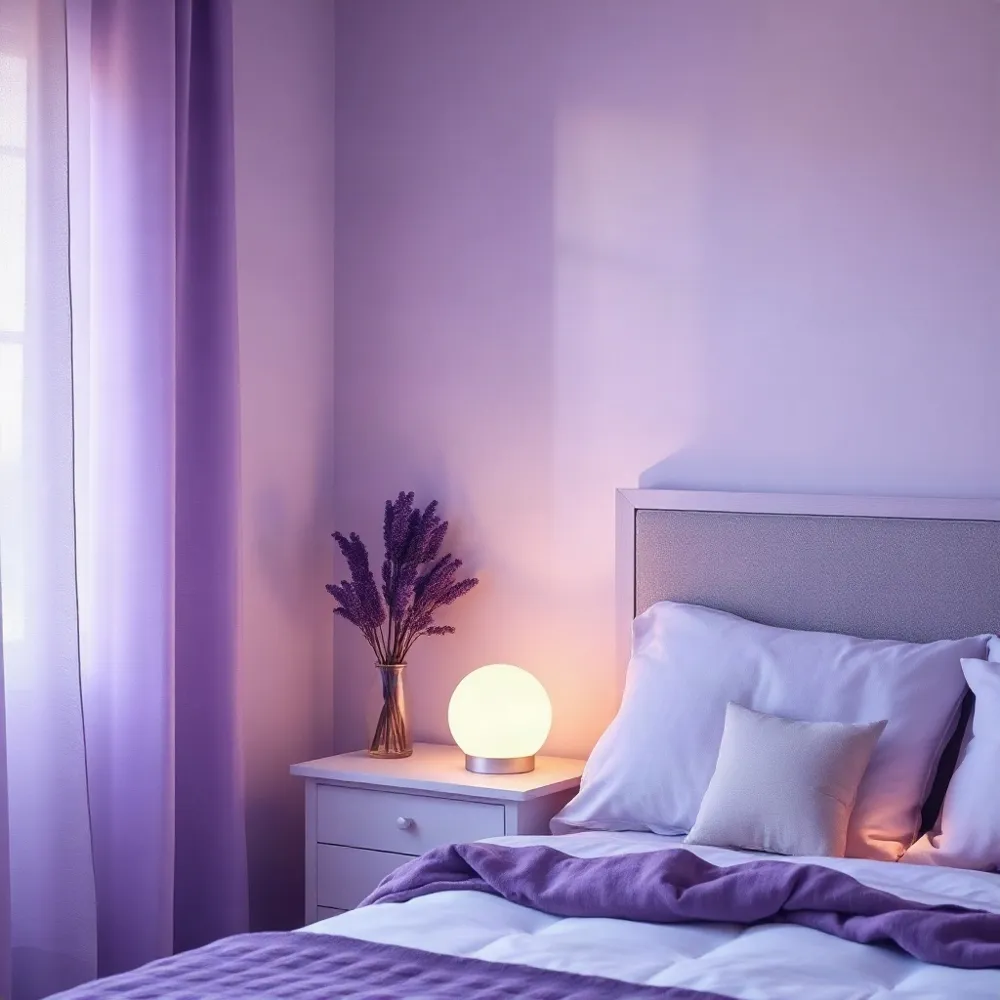 A difficult night can affect more than energy the next day. Too little or disrupted sleep may leave a person more irritable, sensitive to stress, and less able to regulate emotions. At the same time, anxiety and stress can keep the body alert, making it harder to fall or stay asleep. These effects can feed into one another, rather than following a simple one-way path.
Harvard’s Division of Sleep Medicine describes a University of Pennsylvania study in which participants limited to 4.5 hours of sleep nightly for a week reported more stress, anger, sadness, and mental exhaustion. Their mood improved after they returned to normal sleep, illustrating how sleep restriction can affect emotional well-being. The findings reflect a group study, not a prediction for every person. Harvard’s overview of sleep and mood also discusses how anxiety can disrupt sleep.
Insomnia is associated with a greater likelihood of depression and anxiety, but association does not prove that insomnia alone causes either condition or determine what will happen to an individual. Sleep problems and mood symptoms may reinforce each other, and the order in which they appear does not establish which caused the other. Stanford Medicine’s review of sleep and mental health similarly notes that the direction of cause and effect can be difficult to establish.
For care that considers both emotional health and daily habits, eclipsewellness.net offers an integrative, personalized approach. This can help keep sleep concerns in context alongside stress, mood, and other aspects of well-being, rather than treating each symptom in isolation.
If sleep or mood difficulties persist or interfere with daily life, a healthcare professional can assess possible contributing concerns. For related guidance, see how sleep and mood affect each other.
The Wider Effects of Chronic Stress
 The body’s stress response can help meet a short-term challenge by increasing alertness and making energy available. When pressure continues, however, this response may stay active too long, exposing the body to stress hormones such as adrenaline and cortisol and disrupting normal processes, as Mayo Clinic’s overview of chronic stress explains.
Ongoing stress can affect both physical and emotional well-being. It may interfere with sleep and contribute to anxiety, irritability, low mood, or difficulty concentrating. Persistent muscle tension can lead to headaches or discomfort, while stress can also be associated with digestive symptoms. Over time, prolonged stress may contribute to cardiovascular risk. The American Psychological Association’s review of stress effects describes how stress can affect several body systems.
These signs are not a diagnosis. People respond differently to stress, and sleep problems, pain, digestive changes, or shifts in mood can have other causes. If symptoms persist, cause concern, or disrupt daily life, a healthcare professional can help assess what may be contributing and discuss support suited to the individual.
Everyday supports can complement professional care. The APA identifies social support, regular physical activity, and adequate sleep as general strategies that may help with stress management. At eclipsewellness.net, care is framed around a person’s needs and the connections between physical health, mental well-being, and daily habits, rather than treating a symptom in isolation.
Supporting Rest During Stressful Periods
 Stress can leave the body alert and the mind occupied with worry, making it harder to fall asleep or stay asleep. In turn, disrupted sleep may make everyday pressures feel harder to manage. Rest can support mood and emotional functioning, although it does not remove the source of stress.
A few steady habits can support sleep during demanding periods. Stanford Medicine recommends keeping bedtimes and wake times consistent, avoiding caffeine and other stimulants after early afternoon, limiting alcohol before bed, and making the bedroom comfortable and soothing. Reducing screen use before bedtime can also help protect time for rest. These steps can be adapted to personal routines and circumstances.
If sleep does not come, try easing the pressure to make it happen. Rather than panicking or forcing sleep, Stanford Medicine suggests letting go of the struggle and reading until sleepy. The aim is to reduce arousal, not to treat sleep as a task that must be completed on demand.
The available sources do not establish a reliable timeline for recovering from sleep deprivation. Harvard describes mood improving after participants returned to normal sleep following a period of restriction, but that finding does not show how quickly every person will recover. Prioritize regular, adequate sleep, and consider talking with a healthcare professional if tiredness or sleep difficulties persist. At eclipsewellness.net, care is framed around personalized strategies that consider both mental and physical well-being.
When Sleep Problems Need More Support
If sleep difficulties or mood concerns continue, or begin to interfere with daily life, it may be time to speak with a qualified healthcare professional. An assessment can look at both sleep and mental health, since problems may overlap and the order in which they appear does not necessarily reveal their cause. Harvard’s sleep and mood guidance recommends seeking medical assessment when symptoms persist.
Care can be shaped around the person’s symptoms, health history, circumstances, and preferences. Following evaluation and diagnosis, options may include behavioral therapy, other forms of therapy, medication, or a combination. Stanford describes cognitive behavioral therapy as a gold-standard treatment for insomnia, while noting that treatment decisions belong with a clinician and should reflect individual needs. Stanford’s overview of sleep and mental health also discusses how sleep-focused interventions may affect mental health symptoms.
PTSD and sleep difficulties may require thoughtful, coordinated support, but the available evidence does not establish a specific sleep intervention as effective for PTSD outcomes. Stanford notes that research connecting sleep interventions with improved PTSD outcomes remains limited. A qualified professional can assess the concerns and discuss appropriate care without assuming that better sleep alone will resolve a mental health condition.
A whole-person approach can consider sleep, emotional wellbeing, stress, and other health factors together. At eclipsewellness.net, care is framed around integrative, personalized health services, including mental health support, rather than treating sleep as an isolated concern. Persistent difficulties deserve attention, and support can be adjusted as a person’s needs become clearer.
A Personal Path Toward Better Rest
Sleep, stress, and mood can influence one another, but the pattern is not the same for everyone. Difficulties with sleep may accompany emotional distress or contribute to it, and the connection does not by itself identify a cause. Research summarized by Stanford Medicine highlights why sleep and mental health are often considered together.
Consistent sleep routines and calming bedtime practices may support well-being, but they are not a guaranteed fix or a substitute for care. If sleep or mood concerns persist or interfere with daily life, a healthcare professional can assess possible contributing factors and discuss an approach suited to the person. At eclipsewellness.net, personalized care considers mental health and whole-person wellness alongside physical concerns.