Why Integrative Health Matters Today
Patients are increasingly seeking whole‑person care that honors physical, mental, emotional, and spiritual dimensions of health. Recent surveys show that nearly two‑thirds of adults aged 50‑80 already use some form of integrative medicine, reflecting a strong desire for personalized, non‑drug options. Robust research from the National Center for Complementary and Integrative Health and other institutions now validates many complementary therapies—such as acupuncture for chronic low‑back pain, yoga for hypertension, and mindfulness‑based stress reduction for anxiety—showing measurable reductions in pain, stress hormones, and medication use. These evidence‑based findings align with clinical guidelines that recommend non‑pharmacologic first‑line treatments and are prompting insurers to expand coverage, making integrative approaches a sustainable, patient‑centered component of modern health care.
Natural Pain Relief and Core Mind‑Body Techniques
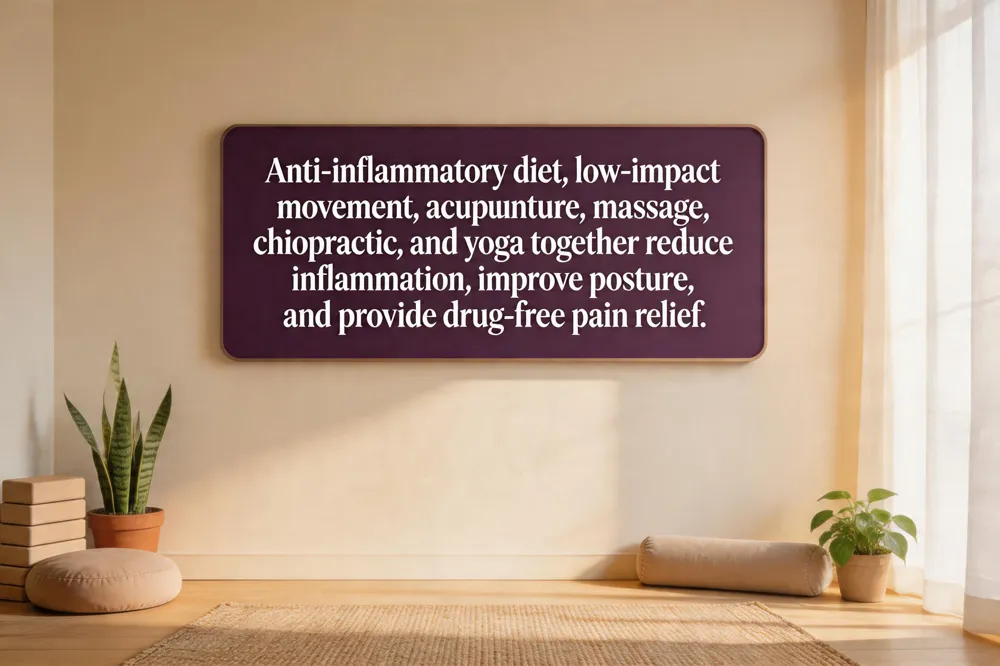 A balanced, anti‑inflammatory diet—rich in vegetables, fruit, whole grains, lean protein and healthy fats—helps reduce swelling and eases joint and muscle discomfort. Pair this with regular, low‑impact movement such as walking, swimming, tai chi or yoga; gentle activity lubricates joints, boosts endorphins, and supports core strength and posture. Evidence‑based complementary therapies add drug‑free relief: acupuncture, performed by licensed practitioners, has been shown to lower chronic low‑back, knee‑osteoarthritis and migraine pain; therapeutic massage improves circulation and muscle tension; and chiropractic adjustments enhance spinal alignment and function. Among mind‑body practices, yoga stands out as a prime example—it blends postures, breath control and mindfulness meditation to calm the mind while strengthening the body, reducing stress, anxiety and chronic pain. Together, these lifestyle, nutritional and integrative approaches address the root causes of pain, promote whole‑person health and empower patients to achieve lasting, natural comfort.
Breaking the Pain Cycle and Managing Diabetes Holistically
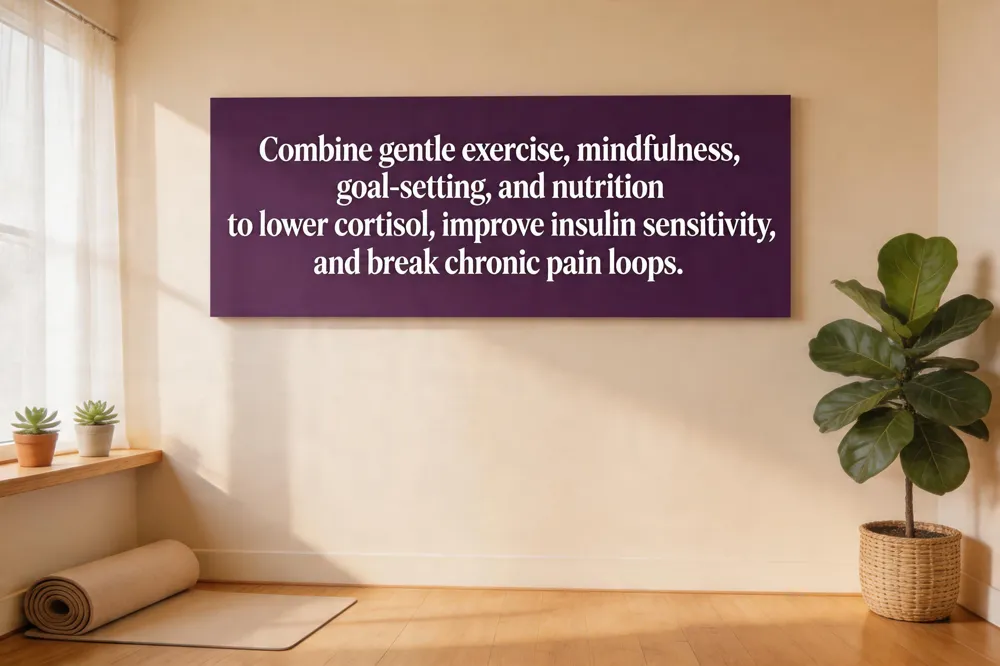 A holistic pain‑break strategy blends gentle movement, mind‑body tools, and paced self‑management. Start with low‑impact activities—walking, swimming, or chair‑based yoga—to improve joint stability and reduce stiffness, then gradually add flexibility work and light resistance. Pair each session with mindfulness or cognitive‑behavioral techniques that reframe pain‑related thoughts, lower cortisol, and enhance pain tolerance, as supported by NIH and NCCIH research on mindfulness‑based stress reduction. Set realistic, measurable goals (e.g., three 10‑minute walks per week, daily 5‑minute breathing practice) and enlist a therapist or integrative pain clinic for accountability.
Holistic diabetes care treats the whole person, not just glucose numbers. Evidence‑based nutrition—lean protein, whole grains, fresh produce, and limited added sugar—combined with regular aerobic and resistance exercise improves insulin sensitivity. Stress‑reduction practices such as meditation, yoga, or guided imagery, shown by the American Psychological Association and NCCIH, lower blood‑pressure and depressive symptoms, further supporting metabolic health. Complementary therapies like acupuncture or herbal support may be added under professional supervision to address inflammation and pain, while continuous monitoring (e.g., CGM) ensures personalized adjustments. Together, these integrated approaches reduce medication reliance, prevent complications, and promote sustainable, patient‑centered wellness.
Holistic Pain Management and the Role of the Integrative Doctor
 Holistic pain care begins with a whole‑person assessment that evaluates physical sensations, emotional state, sleep patterns, nutrition, and stress levels. An integrative doctor uses this comprehensive view to design a personalized plan that blends conventional medicine with evidence‑based complementary modalities.
Acupuncture, chiropractic, massage and yoga are core integrative tools. Acupuncture and licensed practitioners can modulate pain pathways and reduce reliance on opioids, while chiropractic or osteopathic adjustments improve joint alignment and nervous‑system function. Therapeutic massage eases muscle tension and promotes circulation, and yoga or tai chi add gentle movement, breath awareness, and mindfulness that lower pain intensity by up to 30 % in chronic musculoskeletal conditions.
Patient‑centered care and shared decision‑making are essential. Patients collaborate with the integrative doctor to choose modalities that fit their lifestyle, values, and goals, ensuring adherence and empowerment.
What is the holistic approach to pain management? The approach treats pain as a whole‑person issue, integrating physical, emotional, and lifestyle interventions—such as acupuncture, chiropractic, massage, yoga, nutrition counseling and stress‑reduction techniques—to improve function, reduce medication use, and enhance long‑term well‑being.
Can a holistic doctor help with pain? Yes. By addressing the physical, mental, and spiritual contributors to discomfort through evidence‑based complementary therapies and mind‑body practices, a holistic practitioner can lower pain intensity, improve mood and sleep, and empower patients to regain function and quality of life.
Core Holistic Practices and the 5 C’s of Therapy
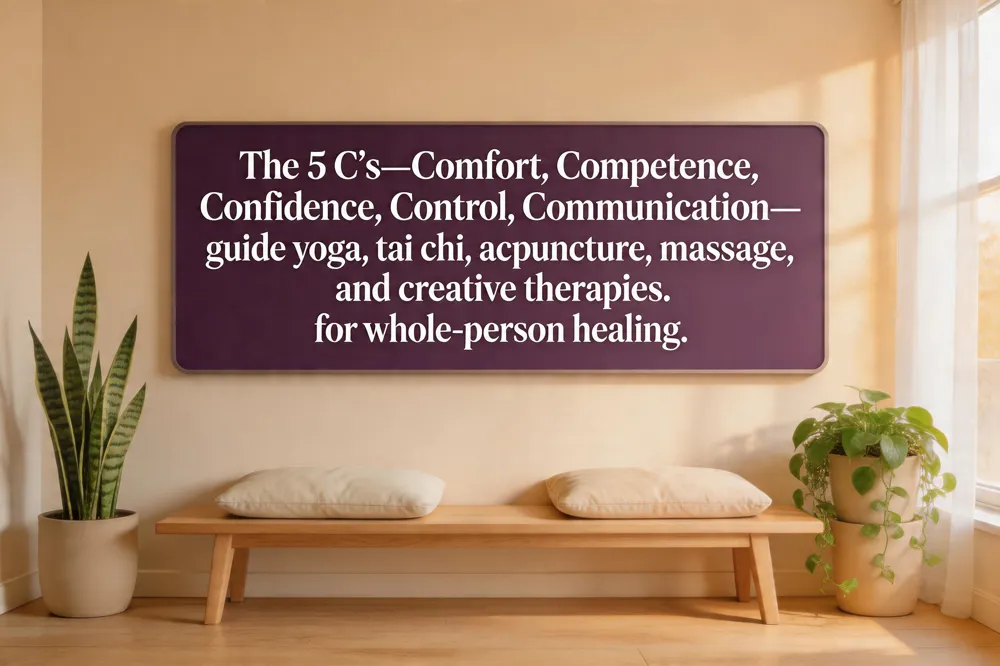 Holistic medicine embraces a wide range of mind‑body and body‑based modalities that treat the whole person. Common practices include yoga, tai chi, qigong, and mindfulness‑based stress‑reduction techniques such as meditation and guided breathing. Body‑focused therapies—acupuncture, chiropractic/spinal manipulation, massage, and reflexology—are frequently combined with conventional care. Creative and sensory approaches like art, music, dance, aromatherapy, and herbal support (e.g., turmeric, ginger, garlic) help balance emotional and physiological health.
The therapeutic framework is guided by the 5 C’s: Comfort – a safe, judgment‑free environment; Competence – realistic expectations that foster accomplishment; Confidence – belief in one’s own abilities; Control – ability to influence outcomes; and Communication – clear, functional self‑expression. Together these principles create personalized, patient‑centered care that reduces stress and promotes healing.
Holistic Needs, Comparative Care Models
 Holistic health addresses five inter‑related dimensions: mental‑emotional wellness (self‑awareness, stress management, positive mindset), physical wellness (movement, nutrition, sleep, preventive care), social wellness (supportive relationships, belonging), occupational wellness (purpose and fulfillment at work) and financial wellness (resource management and future planning). In contrast to modern Western medicine, which often focuses on short‑term, disease‑specific interventions, holistic medicine provides ongoing, whole‑person support aimed at preventing illness and maintaining balance across these domains. This longer‑duration, preventive orientation empowers patients to become active partners in their care, fostering self‑management, lifestyle changes, and sustained well‑being. By integrating evidence‑based conventional treatments with mind‑body practices such as mindfulness, yoga, and acupuncture, clinicians can tailor plans that respect each individual’s unique needs and promote lasting health.
Career Pathways, Education, and the Future of Integrative Care
 The University of Minnesota’s College of Continuing & Professional Studies offers a Bachelor of Science in Health and Wellbeing Sciences, providing a foundation in anatomy, physiology, chemistry, and an emphasis in Holistic Health and Healing. This curriculum equips graduates for emerging roles such as integrative health coach, acupuncturist, nutritionist, or yoga therapist. The Bureau of Labor Statistics projects significant job growth in the health and wellness sector, with many positions offering higher‑than‑average salaries. reflecting rising demand for practitioners who can blend evidence‑based medicine with complementary therapies. Telehealth platforms further expand access, allowing community‑based integrative clinics to deliver virtual yoga, mindfulness‑based stress reduction, nutrition counseling, and acupuncture consultations. This hybrid model not only reaches underserved populations but also supports personalized, patient‑centered care that addresses physical, mental, emotional, and spiritual health.
Moving Forward with Whole‑Person Wellness
Empowering patients begins with transparent choices that blend proven conventional treatments with evidence‑based complementary therapies such as acupuncture, yoga, mindfulness meditation, and nutritional counseling. By offering clear information on benefits, risks, and how each modality fits into an overall care plan, clinicians support shared decision‑making and foster confidence in self‑care. Ongoing research—funded by NIH, NCCIH, and VA—continues to clarify mechanisms and outcomes, while interdisciplinary teams of physicians, physical therapists, psychologists, and licensed holistic practitioners collaborate to integrate findings into practice. This commitment to personalized, compassionate care honors each individual’s physical, emotional, and spiritual needs, creating a truly whole‑person wellness pathway.