Integrative Weight Management in the GLP‑1 Era
GLP‑1 receptor agonists such as semaglutide, liraglutide and tirzepatide have become cornerstone therapies for chronic obesity because they reliably trigger satiety, slow gastric emptying and produce 10‑20 % weight loss over 68 weeks, far exceeding lifestyle‑only programs. However, real‑world data show that only ~25 % of patients stay on a GLP‑1 drug after one year, and many discontinue or switch due to side‑effects, insurance barriers or evolving health goals. A holistic, patient‑centered approach can bridge this gap: clinicians should pair GLP‑1 pharmacotherapy with personalized nutrition counseling, regular physical activity, stress‑management, sleep hygiene and mental‑health support. Tailoring dose titration, monitoring for gastrointestinal tolerance, and offering flexible injection or oral options respects individual preferences and improves adherence. This article is organized to first explain the physiological impact of GLP‑1 agents, then outline integrative care pathways for clinicians, and finally provide practical guidance for patients to sustain long‑term weight control while honoring their unique life context.
The GLP‑1 Landscape: From Diabetes to Weight Management
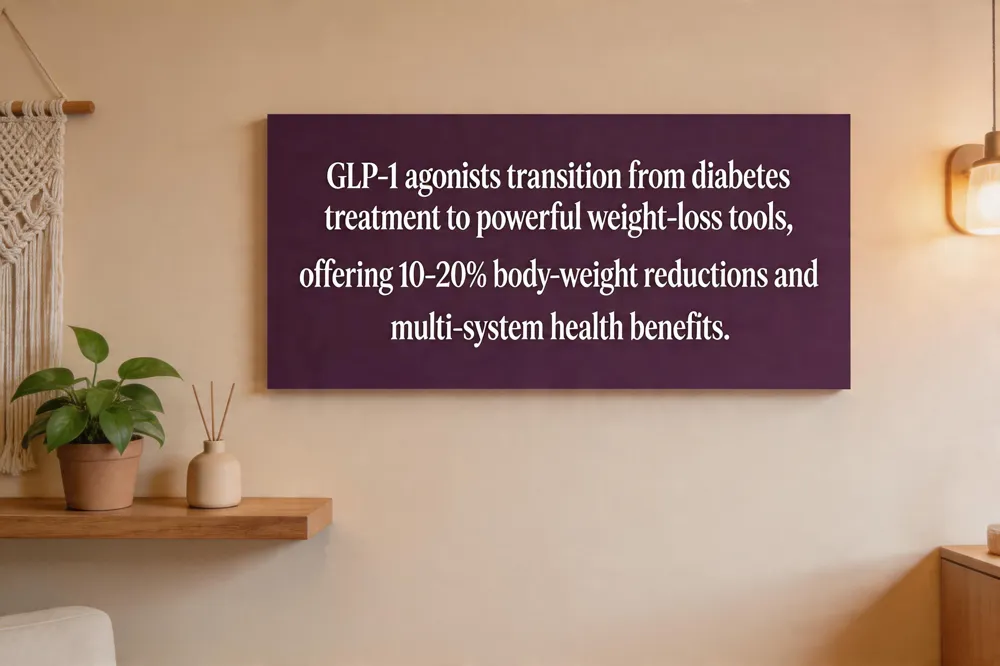 GLP‑1 receptor agonists began their clinical journey in 2005 when exenatide was approved for type 2 diabetes, and the first‑generation agents such as liraglutide (Saxenda) later demonstrated that higher doses could safely induce meaningful weight loss. Today, semaglutide (Wegovy, Ozempic), tirzepatide (Zepbound), dulaglutide (Trulicity) and other weekly injectables dominate the market, while oral formulations of semaglutide expand access for patients who prefer pills.
Mechanistically, these drugs mimic the naturally occurring hormone glucagon‑like peptide‑1. By activating GLP‑1 receptors in the pancreas, they enhance glucose‑dependent insulin secretion and suppress glucagon, improving blood‑sugar control. In the gastrointestinal tract they slow gastric emptying, which prolongs the feeling of fullness. Crucially, they act on hypothalamic pathways to increase satiety and reduce hunger signals, allowing patients to achieve a calorie deficit without drastic dietary restriction.
Together, these actions translate into average weight reductions of 10‑20 % of baseline body weight over 68 weeks, far exceeding lifestyle‑only interventions. The evolving evidence base—spanning diabetes, obesity, cardiovascular disease, and even emerging neuro‑protective trials—supports a patient‑centered, integrative approach that pairs GLP‑1 pharmacotherapy with personalized nutrition, physical activity, stress‑management, and ongoing monitoring of safety parameters.
Holistic Weight Loss Supplements and Strategies for Beginners

Holistic weight loss supplements
Holistic weight‑loss supplements aim to support metabolism, curb appetite, and reduce inflammation while honoring the body’s natural balance. Evidence‑based ingredients include adaptogenic herbs such as ashwagandha and rhodiola, which help manage stress‑related cravings, green‑tea extract and soluble fiber (e.g., psyllium) for gentle thermogenesis and satiety, and probiotic blends that improve gut health—a key driver of hormonal regulation and nutrient absorption. Because endocrine status, microbiome composition, and lifestyle vary widely, a personalized assessment is essential before adding any supplement. Working with an integrative health professional ensures safety, optimal synergy with diet and exercise, and ongoing monitoring.
Holistic weight loss strategies for beginners
Begin with whole‑food, nutrient‑dense meals that are minimally processed, emphasizing fiber, healthy fats, and fermented foods to nourish the gut. Pair nutrition with mindful movement—walking, yoga, or light strength training a few times per week—while listening to the body’s need for rest. Prioritize sleep hygiene and stress‑reduction techniques such as deep‑breathing, meditation, and a consistent bedtime routine. Stay hydrated, limit added sugars and refined carbohydrates, and consider a short, supervised detox or intermittent‑fasting protocol to reset cravings. Finally, cultivate a positive mindset, set realistic incremental goals, and track progress beyond the scale (energy, mood, sleep quality) to sustain motivation and long‑term success.
GLP‑1 Beyond Weight Loss: Cardiovascular, Neuroprotective, Liver, Kidney Benefits
 GLP‑1 receptor agonists are now recognized as multi‑system agents that do far more than curb appetite. In large outcome trials such as SELECT, weekly semaglutide reduced major adverse cardiovascular events by 20 % and all‑cause mortality by 17 %, benefits that extend to patients with established heart disease and to those with chronic kidney disease, where semaglutide lowered the composite risk of kidney failure by 24 % (FLOW trial). At the same time, GLP‑1 drugs dampen systemic inflammation—lowering CRP, IL‑6, and TNF‑α which translates into less joint pain, reduced immune dysregulation, and a healthier gut‑brain axis. Emerging neuro‑protective data suggest improvements in mood and cognitive function, likely mediated by reduced neuroinflammation and better glucose stability, offering a hopeful adjunct for depression and anxiety that often accompany obesity. Liver health also improves: semaglutide achieved steatohepatitis resolution in 63 % of patients with MASH and fibrosis improvement in 37 %, reflecting reduced hepatic fat and oxidative stress. Together, these cardiovascular, neuro‑psycho‑mental, hepatic, and renal advantages support a holistic, patient‑centered approach—ultimately helping individuals achieve lasting health beyond the numbers on the scale.
Pros, Cons, and Safety of GLP‑1 Therapy
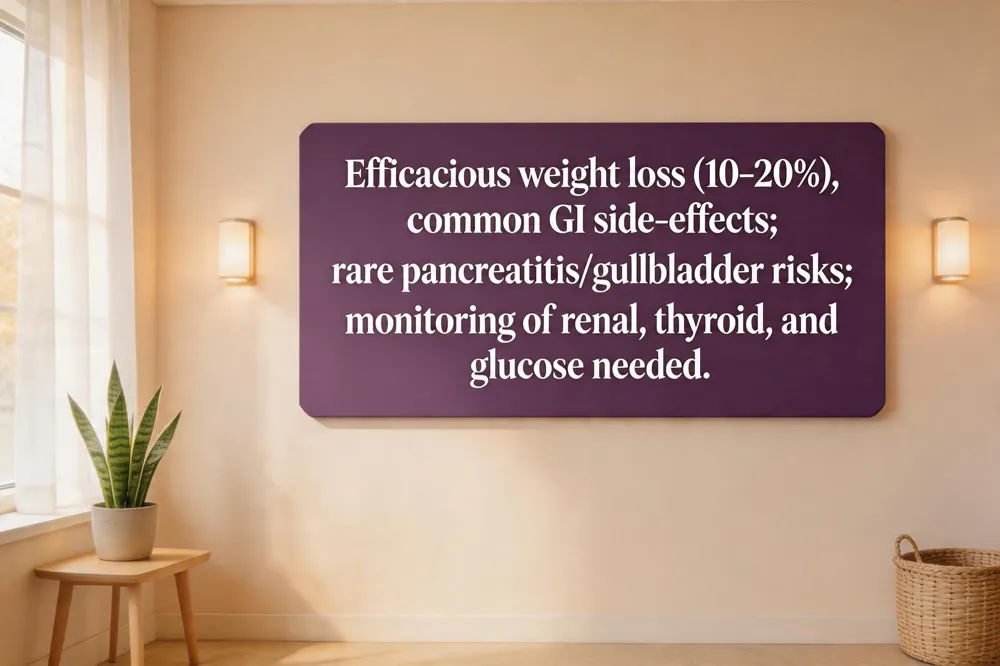 GLP‑1 receptor agonists such as semaglutide (Wegovy, Ozempic) and tirzepatide (Zepbound) deliver powerful, sustained weight loss by boosting satiety, slowing gastric emptying, and improving glucose control. Clinical trials show average reductions of 10‑20 % of baseline weight after 68‑weeks, with added benefits of lower blood pressure, improved lipid profiles, and, in high‑risk patients, a 20 % drop in major cardiovascular events (SELECT trial. These metabolic gains also lower diabetes risk and may protect kidneys and liver.
Common side effects are gastrointestinal—nausea, vomiting, diarrhea, and constipation—most often mild and transient as the dose is titrated. Injection‑site irritation, headache, and nasopharyngitis occur less frequently. Rare but serious events include pancreatitis, gallbladder disease, and, in animal models, thyroid C‑cell tumors; current human data have not confirmed a causal link. Hypoglycemia risk is low unless combined with insulin or sulfonylureas, which may require dose adjustment.
Typical weight‑loss dosing starts low and escalates: Saxenda (liraglutide) begins at 0.6 mg daily, titrating to 3.0 mg by week 5; Wegovy (semaglutide) starts at 0.25 mg weekly, increasing by 0.25 mg every 4 weeks to a maintenance 2.4 mg by week 17. Ozempic, approved for diabetes, is often used off‑label at lower doses for weight loss.
Because abrupt discontinuation often triggers rapid weight regain, ongoing medical supervision, regular monitoring of renal and thyroid function, and integration of nutrition, physical activity, stress‑reduction, and sleep hygiene are essential for safe, long‑term success.
Tirzepatide and Mounjaro: Dual‑Incretin Innovation
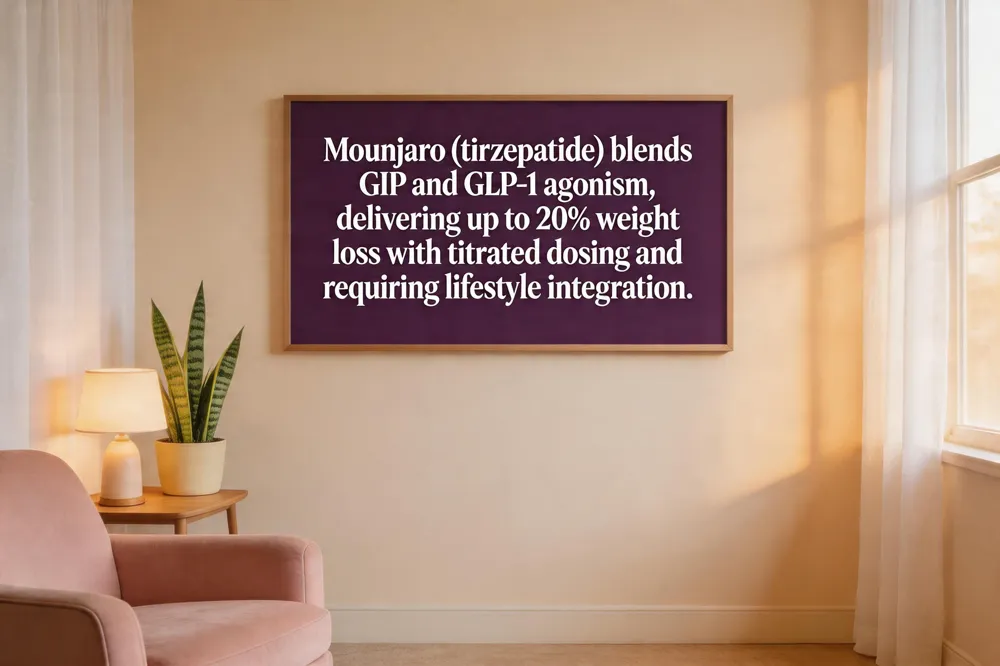 The dosing regimen mirrors other GLP‑1 therapies: treatment begins at a low weekly dose (e.g., 2.5 mg) and is gradually titrated upward (up to 15 mg) to improve tolerance of the common gastrointestinal side‑effects (nausea, vomiting, diarrhea). Lifestyle counseling—including personalized nutrition, regular aerobic and resistance exercise, stress‑management, and adequate sleep—is essential to maximize adherence and preserve lean muscle mass during rapid fat loss. This integrative, patient‑centered approach supports the mind‑body connection that is increasingly recognized in modern obesity care.
Regulatory classification reflects its dual‑incretin mechanism: Mounjaro is labeled a “GIP receptor and GLP‑1 receptor agonist,” not a pure GLP‑1 agonist. The FDA approval for type 2 diabetes (2022) and for chronic weight management (2023) underscores its role as a bridge between metabolic control and obesity treatment, offering clinicians a versatile tool that can be paired with holistic weight‑loss programs for sustainable, long‑term health outcomes.
Tailored GLP‑1 Choices: Which Agent Is Most Effective?
 When choosing a GLP‑1 receptor agonist for chronic weight management, clinicians and patients should balance efficacy, dosing convenience, and personal health context. Among the approved agents, high‑dose semaglutide (Wegovy, 2.4 mg weekly) consistently yields the greatest weight‑loss results—average reductions of 15‑20 % of baseline body weight after 68 weeks, outperforming liraglutide (Saxenda) and dulaglutide, which typically achieve 5‑10 % loss. Tirzepatide (Zepbound), a dual GLP‑1/GIP agonist, approaches liraglutide’s efficacy, with some trials reporting up to 20 % loss, but its safety profile and insurance coverage are still evolving. Practical dosing starts low to mitigate nausea (e.g., semaglutide begins at 0.25 mg weekly, titrating to 2.4 mg over ~4 months; tirzepatide starts at 2.5 mg weekly, increasing to 15 mg). Real‑world data show that patients who switch between agents—often to improve tolerability or address insurance changes—are more likely to stay on therapy beyond one year, with adherence rates up to 20 % higher than those who remain on their initial drug. Integrating the medication with a holistic plan—personalized nutrition, regular movement, stress‑reduction, and sleep hygiene—optimizes satiety, preserves lean muscle, and supports sustainable loss. Clinicians should discuss goals, side‑effect expectations, cost, and the possibility of future switches, ensuring each patient feels heard and empowered in their long‑term weight‑management journey.
Holistic Weight Loss Strategies for Women and Home‑Based Practices
 Holistic weight‑loss strategies for women begin with honoring the hormonal landscape that drives appetite, fat storage, and energy. Fluctuations in estrogen, progesterone, thyroid hormones, and cortisol can all tip the balance toward weight gain, so a personalized nutrition plan that stabilizes blood glucose is essential. Emphasizing plant‑forward meals, adequate protein (0.8‑1.2 g/kg body weight), and micron‑rich foods (iron, calcium, B‑vitamins) supports metabolic health and reduces insulin resistance, while omega‑3s and adaptogenic herbs help keep cortisol in check.
At home, create a calm, distraction‑free eating zone and practice mindful eating—savor each bite, notice textures, and honor fullness cues. Declutter the pantry of processed snacks and keep nutritious foods at eye level; use a kitchen scale or measuring cups for portion control. Prepare balanced meals in advance with reusable containers, focusing on lean proteins, whole grains, and healthy fats. Incorporate daily movement that blends strength (body‑weight circuits or light dumbbells), gentle cardio (walking meditation or low‑impact dancing), and mobility work (yoga or tai‑chi) while breathing consciously. Consistent, brief sessions protect lean muscle, boost metabolism, and reduce stress‑related eating. Finally, track food, mood, and hormone markers with a digital journal or app, allowing a health coach or clinician to fine‑tune the program and sustain long‑term success.
Future Frontiers: Retatrutide and Emerging Multi‑Hormone Therapies
 Retatrutide: emerging GLP‑1/GLP‑2 dual agonist for weight loss
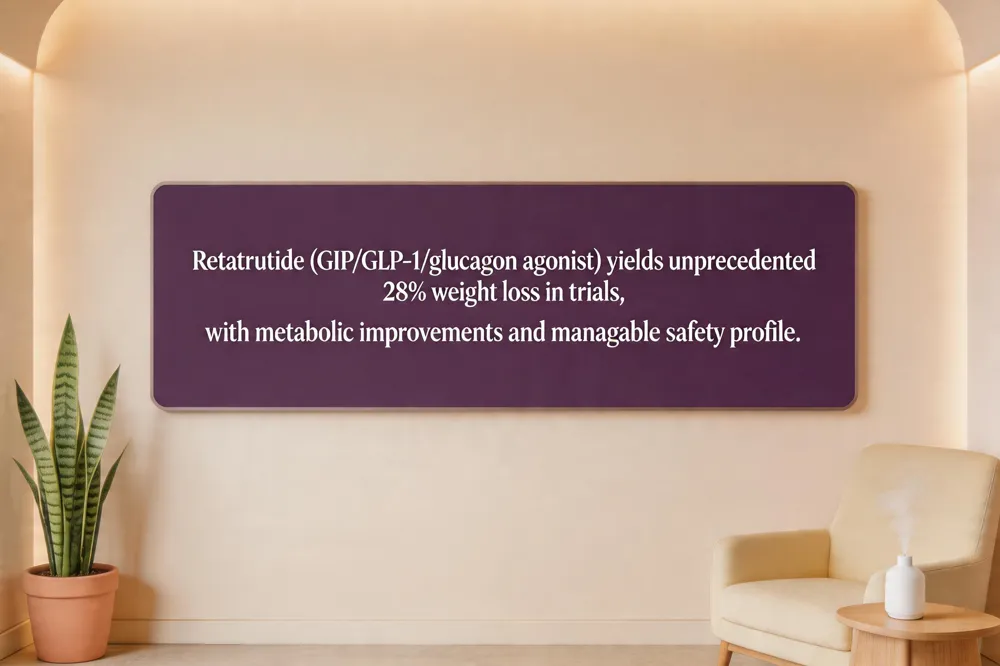
Retatrutide is a once‑weekly injectable peptide that simultaneously activates GIP, GLP‑1, and glucagon receptors, delivering a potent multi‑hormone signal for weight reduction. In the Phase 3 TRIUMPH‑4 trial, participants receiving the 12 mg dose lost an average of 28.7 % of their body weight (≈71 lb) after 68 weeks, with nearly 40 % achieving at least a 30 % loss. A systematic review of three randomized trials confirmed these findings, showing a mean weight reduction of 10.7 kg versus placebo and markedly higher rates of achieving ≥5 %–≥20 % loss. Beyond weight loss, retatrutide improved metabolic markers such as non‑HDL cholesterol, triglycerides, and hs‑CRP, and provided significant relief of knee osteoarthritis pain. Gastrointestinal and hypersensitivity events were more common than with placebo, yet the overall safety profile positioned retatrutide as a promising new option for patients seeking substantial, sustained weight loss.
Retatrutide: emerging GLP‑1/GLP‑2 dual agonist for weight loss
Retatrutide is a once‑weekly injectable peptide that simultaneously activates GIP, GLP‑1, and glucagon receptors, delivering a potent multi‑hormone signal for weight reduction. In the Phase 3 TRIUMPH‑4 trial, participants receiving the 12 mg dose lost an average of 28.7 % of their body weight (≈71 lb) after 68 weeks, with nearly 40 % achieving at least a 30 % loss. A systematic review of three randomized trials confirmed these findings, showing a mean weight reduction of 10.7 kg versus placebo and markedly higher rates of achieving ≥5 %–≥20 % loss. Beyond weight loss, retatrutide improved metabolic markers such as non‑HDL cholesterol, triglycerides, and hs‑CRP, and provided significant relief of knee osteoarthritis pain. Gastrointestinal and hypersensitivity events were more common than with placebo, yet the overall safety profile positioned retatrutide as a promising new option for patients seeking substantial, sustained weight loss.
What is the best holistic way to lose weight? The most effective holistic approach blends balanced nutrition, regular activity, stress management, and sleep. Embrace a varied diet rich in vegetables, fruits, whole grains, lean protein, and low‑fat dairy while limiting added sugars and processed foods; portion control helps meet individual calorie goals. Aim for at least 150 minutes of moderate‑intensity aerobic exercise weekly plus two strength‑training sessions, and incorporate daily movement such as walking. Mind‑body practices—mindful eating, meditation, or gentle yoga—reduce stress‑triggered cravings. Prioritize 7–9 hours of restorative sleep each night to support hormonal balance and metabolic health. When combined with GLP‑1‑based pharmacotherapy, these lifestyle pillars enhance adherence, protect lean muscle, and promote a steady, sustainable loss of 0.5–1 kg per week while fostering overall well‑being.
Integrating GLP‑1 Innovation with Holistic Care
GLP‑1 receptor agonists such as semaglutide, liraglutide, and tirzepatide have reshaped obesity treatment. Clinical trials show 10‑20 % body‑weight loss, improved glycemic control, and reduced cardiovascular risk, while real‑world data reveal that patients who switch between agents stay on therapy longer and adhere better. Because effectiveness varies by genetics, comorbidities, side‑effect tolerance, and life circumstances, a one‑size‑fits‑all prescription is insufficient. After initiation, patients benefit from an integrative follow‑up plan that blends physician monitoring, dietitian‑guided nutrition, personalized exercise, stress‑reduction techniques, and sleep hygiene. Regular labs, symptom checks, and behavioral coaching help fine‑tune dosing, manage gastrointestinal effects, and preserve lean muscle. We encourage anyone considering or already using GLP‑1 therapy to connect with a multidisciplinary wellness team—physician, pharmacist, dietitian, mental‑health professional—to create a tailored, sustainable roadmap toward lasting health. By embracing this collaborative model, you can maximize medication benefits, minimize side effects, and build habits that support weight stability, mental clarity, and vitality.