Introduction
The mind‑body connection describes the two‑way communication between thoughts, emotions, and physiological processes. When the brain perceives stress it releases cortisol and adrenaline, triggering the fight‑or‑flight response that can raise heart rate, blood pressure, and divert blood flow from digestion, while positive emotions can lower these hormones and support immune function. Ancient Greek philosophers such as Plato and Aristotle, as well as Traditional Chinese Medicine, recognized this link long before modern neuroscience. Contemporary research in psychoneuroimmunology, brain‑imaging, and the HPA axis confirms that mental states influence heart rhythm, hormone release, and inflammation, and that physical activity, yoga, meditation, and CBT can modulate these pathways. Understanding the mind‑body connection matters for everyday wellness because it offers practical tools—mindful breathing, balanced nutrition, regular movement, and gratitude practices—that help individuals reduce stress, improve sleep, and strengthen resilience, creating a personalized, patient‑centered health plan.
Understanding the Mind‑Body Connection
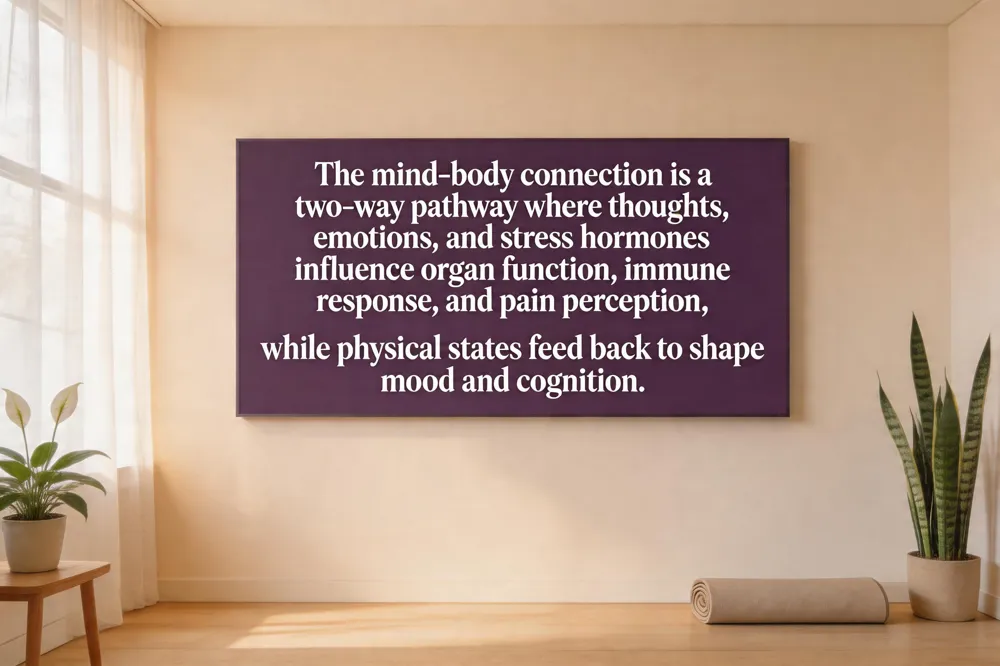 The mind‑body connection is the bidirectional relationship between thoughts, emotions, and physiological processes. Mental states can influence organ function, hormone release, and immune response, while physical conditions can affect mood and cognition. Historically recognized by Greek philosophers and Traditional Chinese Medicine, modern neuroscience confirms this link through neural pathways, neurotransmitters, and stress‑induced cortisol. Research shows chronic stress triggers inflammation and disease, whereas practices such as mindfulness, meditation, yoga, and cognitive‑behavioral therapy lower stress hormones, improve immune function, and enhance mental well‑being. In psychology, the mind‑body connection is viewed as a dynamic interplay where stress hormones like cortisol affect heart rate, digestion, and pain perception, and positive emotions bolster immunity. Integrative health leverages this synergy, using mental‑health tools alongside physical therapies to personalize pain management, detox, and weight‑loss strategies, ultimately treating the individual as a unified whole.
Practical Ways to Activate and Strengthen the Connection
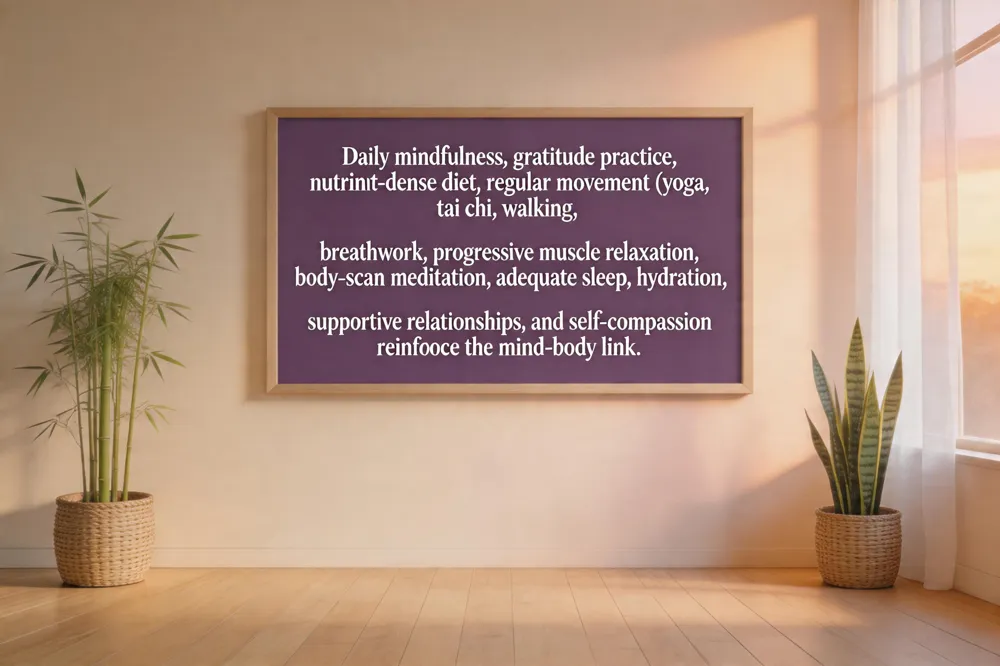 Activating the mind‑body link starts with daily mindfulness: spend a few minutes each day noticing your breath, practicing gratitude, and observing how thoughts shape physical sensations. Nourish the body with a balanced, nutrient‑dense diet of whole foods, lean proteins, fruits, and vegetables, while allowing occasional treats in moderation. Move regularly—aim for at least 20 minutes of activity that builds strength, flexibility, and cardiovascular health, such as yoga, tai chi, or mindful walking. Strengthen the connection with breathwork (4‑7‑8, diaphragmatic, alternate‑nostril) and Progressive muscle relaxation, which calm the nervous system and reduce anxiety. Use a mind‑body worksheet to color‑code bodily sensations linked to emotions, journal triggers, and practice guided body‑scan meditations. Visualize calm scenes or engage in gratitude journaling to reinforce positive neuro‑hormonal pathways. Finally, prioritize restorative habits—7‑9 hours of sleep, adequate hydration, supportive relationships, and self‑compassion—to let both mind and body recover and thrive.
Integrative Pain Management and the 3 P’s
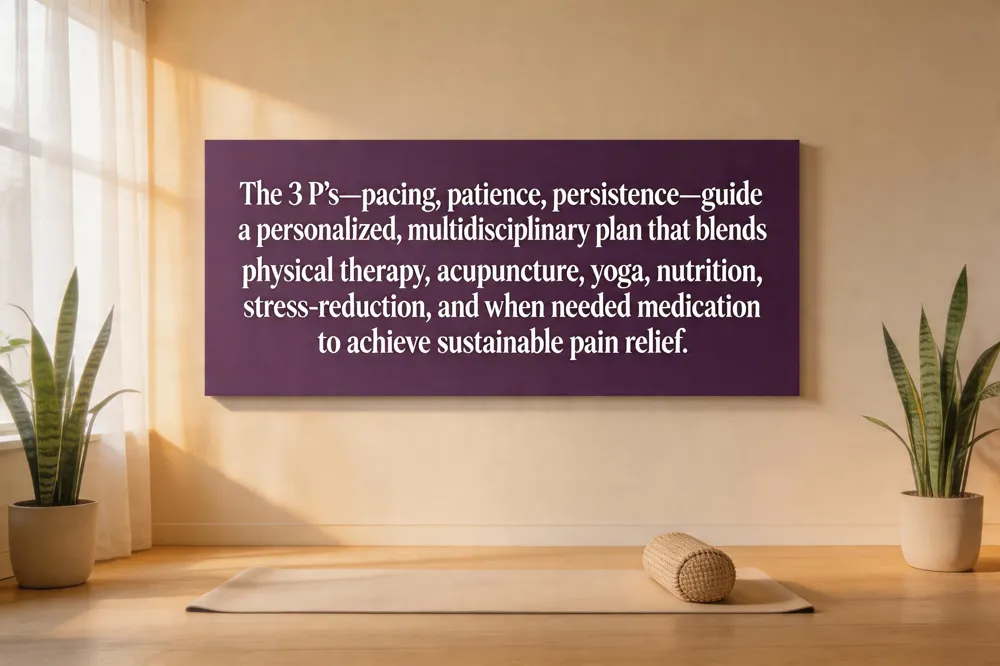 The Three P’s of pain: pacing, patience, persistence provide a practical framework for reshaping how patients move, think, and heal. Pacing means gradually increasing activity in a realistic, structured way to avoid flare‑ups; patience acknowledges that pain reduction is a slow, steady process; persistence keeps mindfulness, coping strategies, and therapeutic exercises in place even when progress feels minimal.
Holistic pain management blends conventional care with evidence‑based complementary therapies such as acupuncture, chiropractic, yoga, nutrition counseling, and health coaching. An integrative physician conducts a thorough assessment, then designs a personalized plan that may include physical therapy, osteopathic manipulation, stress‑reduction techniques, and, when needed, medication or injections.
Integrated Pain Care expands this model to a multidisciplinary team—physicians, therapists, massage providers, and mental‑health specialists—who meet regularly to share updates and adjust treatment in real time. This collaborative, patient‑centered approach addresses physical, emotional, and lifestyle factors, promotes self‑management, and aims for sustained, long‑term relief.
Holistic Health Foundations and Lifestyle Tips
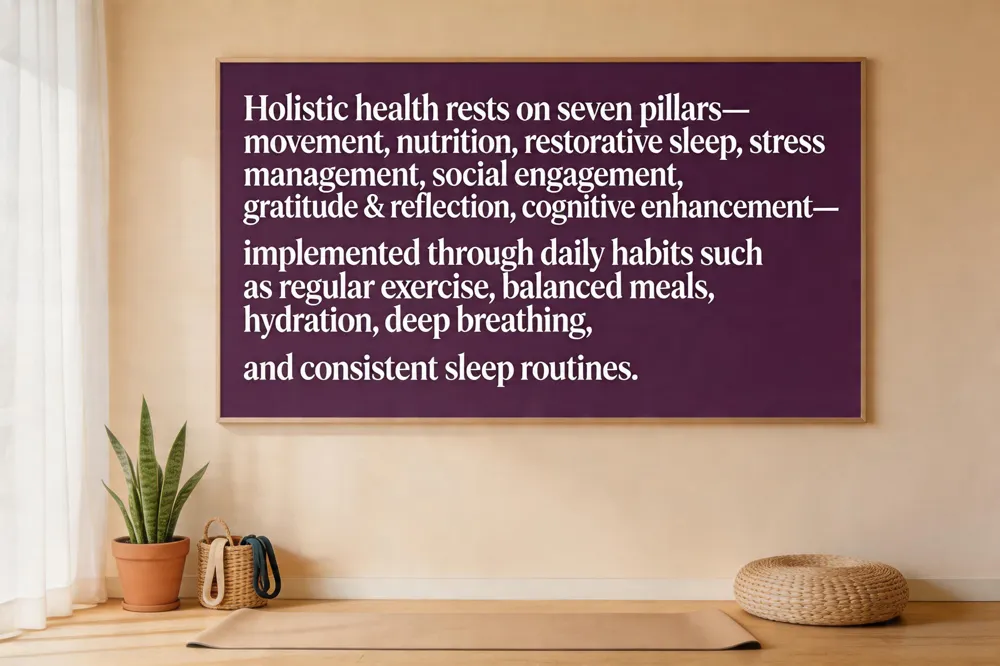 Holistic health is an approach that treats the whole person—body, mind, spirit, emotions, social connections, and environment—rather than isolated symptoms, recognizing the interconnection of all parts of an individual. The seven pillars of holistic wellness are Movement & Fitness, Healthful Nutrition, Restorative Sleep, Stress Management, Social Engagement, Gratitude & Reflection, and Cognitive Enhancement. For adults, a balanced, nutrient‑dense diet, at least 150 minutes of moderate aerobic activity weekly, 7‑9 hours of sleep, regular hydration, and stress‑reduction practices (mindfulness, deep breathing) support overall well‑being. Students benefit from a consistent routine, adequate sleep, nutritious meals, regular movement, and brief mindfulness breaks to boost focus and prevent burnout. Simple daily tips include drinking a glass of water each morning, limiting added sugars and salt, moving for at least 30 minutes, practicing deep breathing, and maintaining a regular bedtime routine. These evidence‑based, patient‑centered habits integrate conventional medicine with holistic practices to foster lasting health.
Resources, Research, and Access to Care
 Mind‑body research has revealed links between motor‑cortex regions and networks that govern planning, cognition and autonomic control. Functional MRI shows movement areas interleaved with stress‑regulation circuits, explaining why meditation, breath work and yoga calm heart rate and blood pressure. Vagus‑nerve stimulation further demonstrates the influence of bodily states on mood, offering a bridge for depression and chronic pain.
For readers seeking guidance, Johann H. s The Mind‑Body Connection provides a self‑care roadmap, while classics such as John E. Sarno’s Healing Back Pain, Gabor Maté’s When the Body Says No and Bessel van der Kolk’s The Body Keeps the Score explore how emotions shape physical illness.
Insurance coverage varies. Many plans reimburse services—acupuncture, massage, chiropractic, nutritional counseling—when ordered as part of a treatment plan, but supplements and wellness visits are excluded. Verify with your insurer and confirm provider credentials.
Integrated Pain Management clinics in Illinois and Rutherford, NJ blend medication, therapy, mindfulness, nutrition and techniques, accepting Medicare‑approved amounts to reduce out‑of‑pocket costs.
Conclusion
Understanding the mind‑body synergy reminds us that stress, thoughts, and emotions directly shape our physical health, just as nutrition, movement, and sleep influence mood and cognition. By weaving simple habits—mindful breathing, daily movement, balanced meals, quality sleep, and regular gratitude—into everyday life, you can calm the nervous system, boost immunity, and enhance emotional resilience. If you’re ready to deepen this practice, consider personalized integrative programs such as yoga therapy, CBT, acupuncture, or nutrition counseling offered by local clinics like the Neuroscience Research Institute in South Florida. Embrace the journey toward holistic wellness today and experience lasting health benefits for mind and body.