Understanding Compassion-Driven Recovery
Compassion in addiction care means offering non‑judgmental, empathetic support that recognises substance‑use disorder as a medical illness rather than a moral failing. By listening actively, validating feelings and respecting each person’s lived experience, clinicians build trust that encourages honest disclosure and sustained engagement. Empathy reduces shame, lowers stress hormones and strengthens therapeutic alliance, all of which are linked to higher retention and lower relapse rates. Integrative healing weaves evidence‑based medicine—such as medication‑assisted treatment and cognitive‑behavioral therapy—with holistic modalities like mindfulness meditation, yoga, nutrition counseling and peer‑support groups. This whole‑person approach addresses physical, emotional, social and spiritual dimensions, creating personalized pathways that empower individuals to heal and maintain long‑term sobriety.
Cultivating Compassion for an Addict
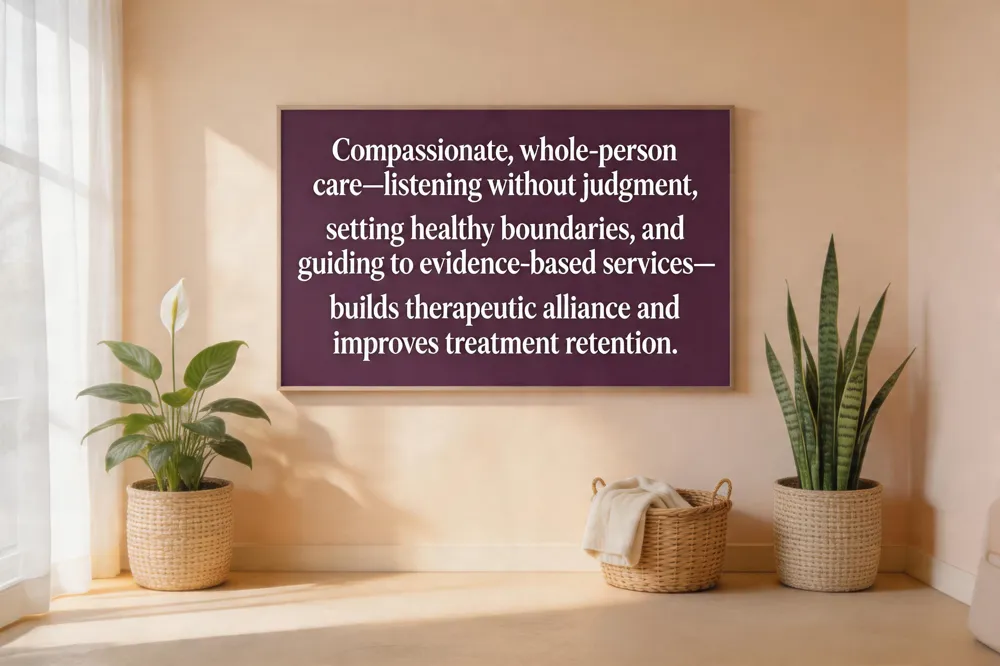 Compassion begins with a whole‑person perspective: view the individual as a human being whose brain, emotions, body, and social environment are all intertwined, not as a moral failure. SAMHSA’s helpline (1‑800‑662‑HELP) exemplifies this approach by offering confidential, 24‑7 referrals that respect each caller’s unique genetic, psychological, and social factors.
Listening without judgment means giving full attention, validating feelings of shame, trauma, or anxiety, and using empathetic statements such as “I’m worried about you and I’m here to help you find recovery.” Research shows that compassionate, trauma‑informed care reduces re‑traumatization and strengthens therapeutic alliance, which in turn improves retention in treatment.
Setting healthy boundaries protects both the supporter and the person in recovery. Clearly define what behavior is acceptable, avoid enabling, and communicate expectations with kindness. Evidence indicates that boundaries, combined with supportive communication, lower relapse risk.
Guiding to professional help is the final step. Connect the individual to evidence‑based services—medication‑assisted treatment, CBT, mindfulness‑based relapse prevention, and holistic therapies such as yoga, nutrition counseling, and acupuncture—through resources like SAMHSA’s Treatment Referral Routing Service or local peer‑support networks. By showing love, respect, and concrete pathways to care, you reinforce hope and empower lasting sobriety.
Natural Pathways to End Drug Use
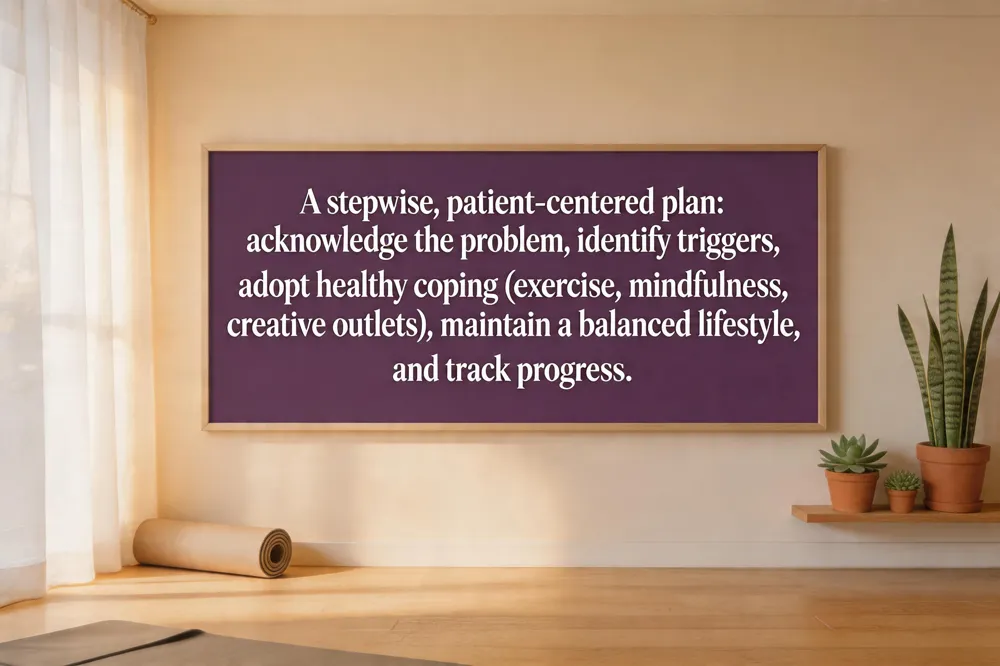 Recovering from addiction begins with acknowledging the problem. Accepting that drug use has become harmful opens the door to professional help—whether a physician, therapist, or SAMHSA‑affiliated counselor who can supervise a safe, medically‑supervised detox and guide you toward compassionate, evidence‑based care.
Next, identify personal triggers—people, places, or emotional states that spark cravings. Mapping these cues lets you redesign your environment, set clear boundaries, and enlist supportive, sober friends or family members.
Build healthy coping strategies that replace drug use: regular aerobic exercise, yoga, mindfulness meditation, and creative outlets such as music, art, or journaling. These practices lower stress hormones, improve mood, and reinforce self‑compassion, which research shows reduces relapse risk.
A balanced lifestyle—nutrient‑rich meals, adequate sleep, hydration, and gentle bodywork (massage or acupuncture)—helps the brain heal, eases withdrawal discomfort, and stabilizes energy levels.
Finally, stay motivated by tracking progress and celebrating milestones. Keep a journal of physical, emotional, and financial gains, and revisit your personal “why” regularly. This patient‑centered, holistic approach, combined with conventional medical support, offers a realistic pathway to lasting sobriety.
Integrative Approach to Addiction
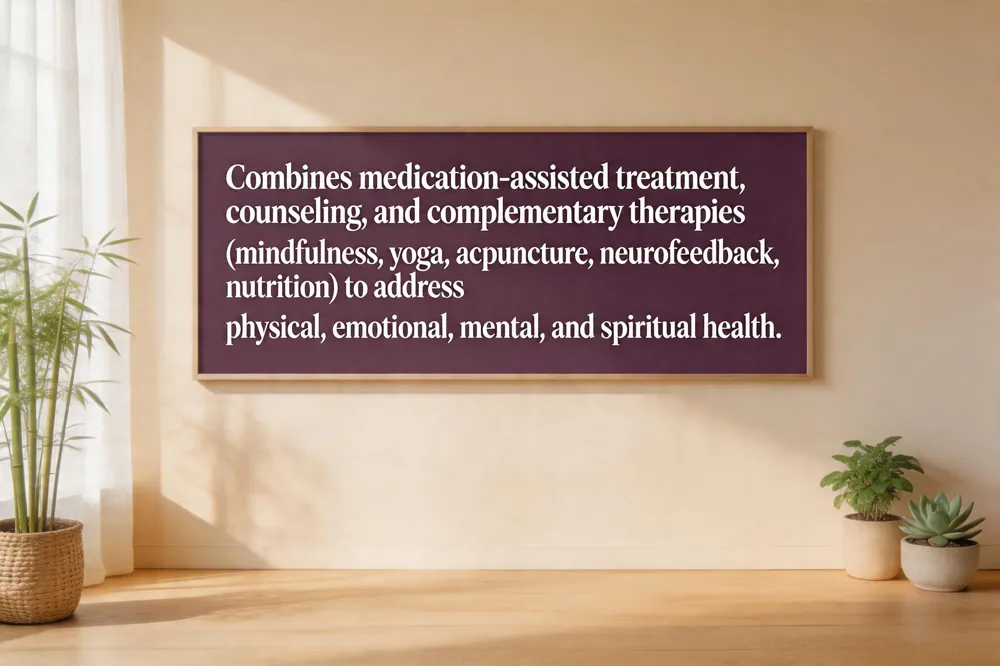 The integrative approach to addiction treats the whole person rather than just the substance‑use symptoms. It combines evidence‑based medical interventions—such as medication‑assisted detox, counseling, and psychiatric care—with complementary therapies like mindfulness, yoga, acupuncture, neurofeedback, nutrition counseling, and exercise. By addressing physical health, emotional regulation, mental patterns, and spiritual well‑being, it creates a personalized recovery plan that targets the root causes of cravings and relapse. This whole‑person model also supports co‑occurring disorders and enhances engagement through creative and body‑focused practices. The result is a more sustainable, resilient path to lasting sobriety.
Holistic Treatment for Drug Addiction
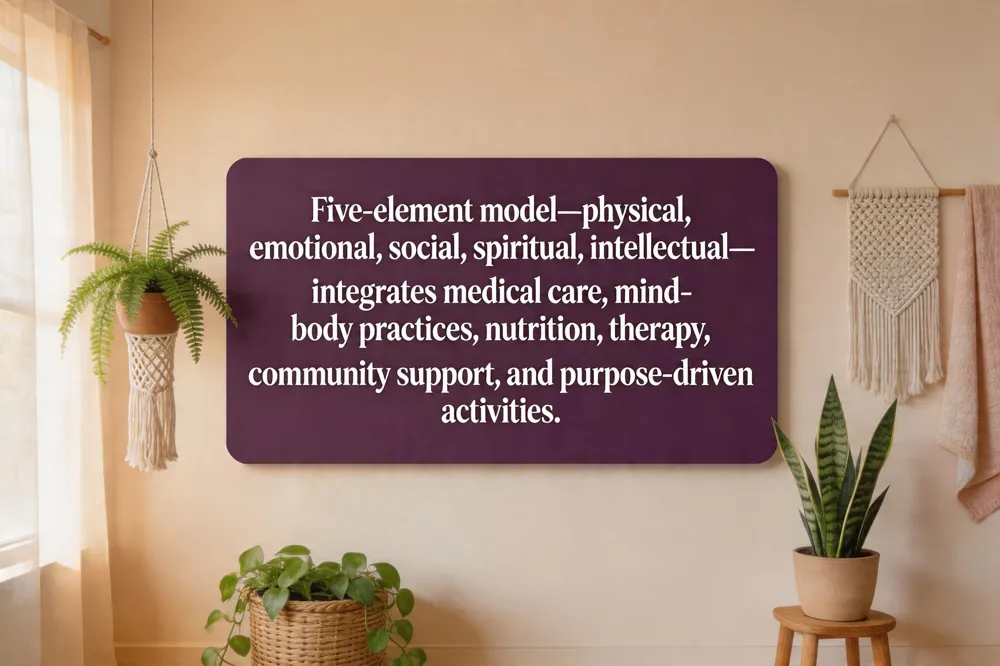 Holistic treatment for drug addiction is a comprehensive, patient‑centered approach that looks beyond the substance itself and treats the whole person. It weaves together traditional medical care—such as medically supervised detox, medication‑assisted treatment, and evidence‑based counseling—with a suite of mind‑body therapies including yoga, tai chi, mindfulness meditation, acupuncture and massage. Physical health is rebuilt through balanced nutrition, regular aerobic exercise, sleep hygiene and pain‑management techniques, while emotional resilience is nurtured by psychotherapy, art therapy, compassion‑focused counseling and self‑compassion practices. Social recovery comes from family therapy, peer‑led support groups and community‑based sober activities that foster belonging and accountability. Spiritual or purpose‑driven practices—guided meditation, nature immersion or service work—help individuals reconnect with meaning. Intellectual growth is encouraged through life‑skill training, education and goal‑setting. By integrating these five elements—physical, emotional, social, spiritual and intellectual—holistic care creates a personalized pathway that reduces cravings, lowers relapse risk and supports long‑term sobriety. Continued follow‑up, telehealth check‑ins, and after‑care planning ensure that the support network remains active, reinforcing the holistic framework long after treatment ends.
The 5 C’s of Recovery Explained
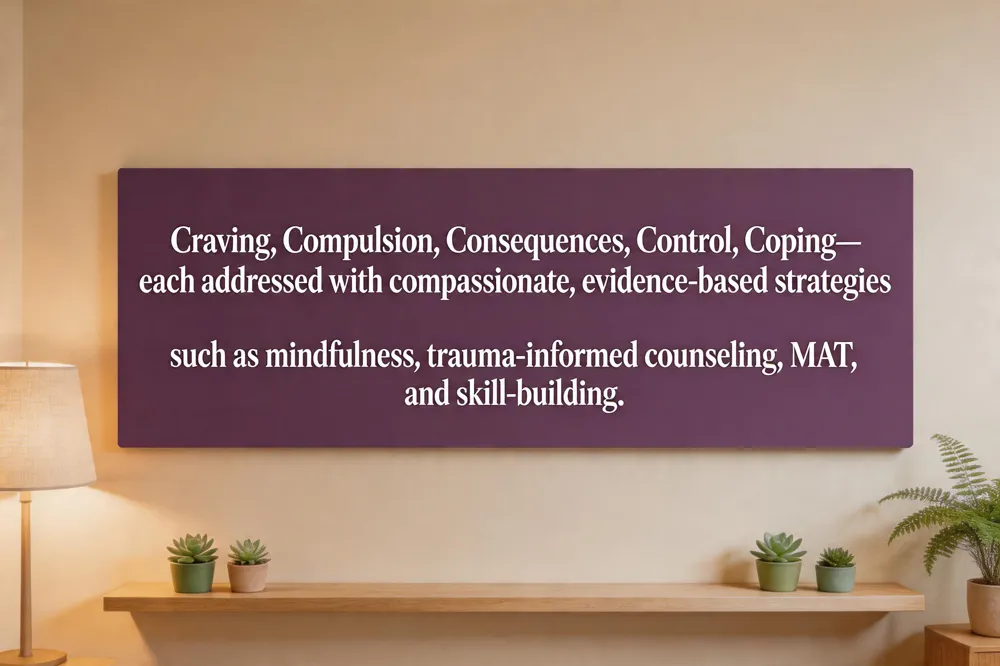 The 5 C’s of recovery are craving, compulsion, consequences, control, and coping. Craving is the intense urge to use a substance; compassionate, mindfulness‑based techniques such as meditation, yoga, and guided imagery have been shown to lower cravings by regulating stress hormones. Compulsion describes the drive to act on that urge despite negative outcomes; trauma‑informed, empathy‑driven counseling helps patients recognize triggers and choose healthier responses. Consequences involve acknowledging the physical, emotional, and social impacts of use—SAMHSA’s helpline (1‑800‑662‑HELP) offers free, confidential referrals to support families in understanding these effects. Control focuses on rebuilding self‑regulation; evidence‑based medication‑assisted treatment combined with individualized care plans improves long‑term abstinence. Coping strategies are the sustainable skills that keep recovery on track: regular physical activity, nutrition counseling, peer‑support groups, and relapse‑prevention planning, all delivered with compassion and respect. Together, these five components create a patient‑centered, whole‑person roadmap that reduces relapse risk and promotes lasting sobriety. Continued follow‑up via telehealth or community check‑ins ensures the plan adapts as life changes, reinforcing lasting change.
Why Compassion Fuels Long‑Term Healing
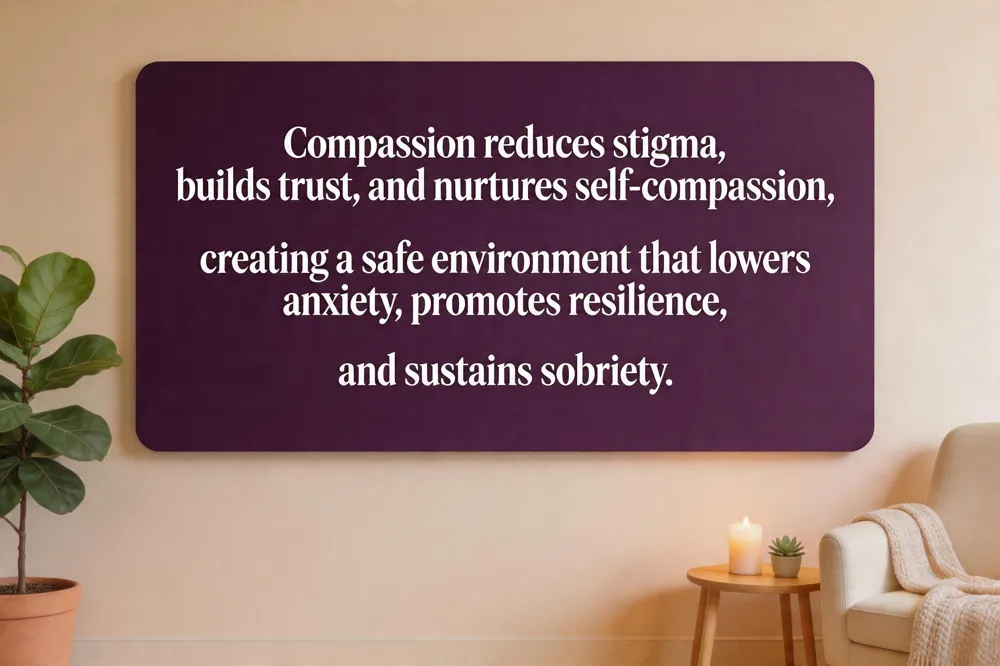 Compassion is a cornerstone of lasting recovery because it creates a safe, non‑judgmental environment where individuals feel seen, heard, and respected. When loved ones and clinicians view addiction as a brain disease rather than a moral failing, stigma drops and trust builds, allowing honest conversations about triggers and needs. This compassionate stance reduces anxiety and conflict, promoting mental well‑being and the space for healing. At the same time, compassion nurtures self‑compassion—encouraging the person in recovery to treat themselves with kindness, forgive setbacks, and stay motivated. Strong, empathetic relationships reinforce accountability while delivering emotional support, which research shows lowers relapse risk. By weaving empathy into every interaction—whether through family therapy, peer support, or clinician‑patient alliances—compassion strengthens social bonds, inspires resilience, and sustains the momentum of long‑term sobriety.
Evidence‑Based Pillars of Successful Treatment
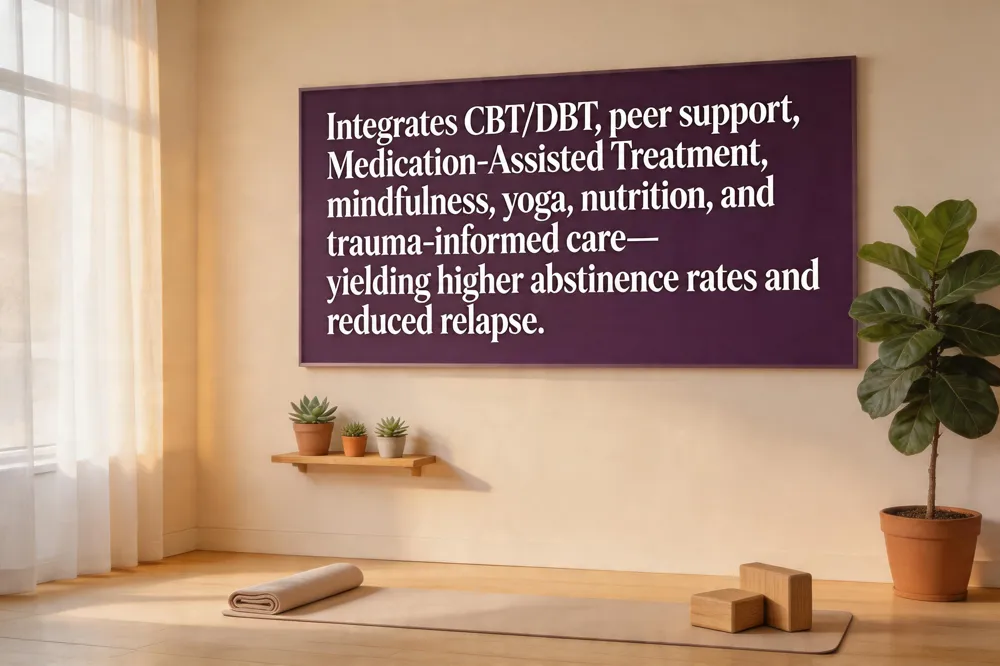 Effective addiction care blends proven behavioral therapies with Medication‑assisted treatment (MAT) and personalized, holistic strategies. Cognitive‑Behavioral Therapy (CBT) and Dialectical Behavior Therapy (DBT) reshape maladaptive thoughts, build coping skills, and lower relapse risk, especially when paired with group counseling, peer support, and family therapy. MAT—using methadone, buprenorphine, naltrexone, or other FDA‑approved agents—addresses physiological dependence and, when combined with counseling, improves retention and long‑term abstinence.
Integrative, personalized care expands the model to include mindfulness, yoga, acupuncture, nutrition counseling, and regular exercise, addressing the mind‑body‑spirit connection and reducing cravings. Trauma‑informed approaches create a safe, non‑judgmental environment, mitigating re‑traumatization and fostering trust. Outcome data from SAMHSA and NIDA show higher sobriety rates when these elements are combined, with holistic programs reducing relapse by up to 30 % compared with medication‑only pathways.
What is the most successful treatment for addiction? An evidence‑based, individualized plan that merges CBT, DBT, peer support, and MAT, tailored to each person’s trauma history and goals, yields the highest sustained abstinence rates.
What is a holistic approach to addiction? It treats the whole person—mind, body, spirit, and social context—by integrating counseling, MAT, meditation, yoga, nutrition, and community resources to heal underlying stressors and promote lasting resilience.
What is the holistic addiction treatment model? A comprehensive, personalized framework that combines evidence‑based counseling, mindfulness, physical activity, nutrition, and nature‑based therapies to restore balance across mental, emotional, and spiritual domains, thereby reducing relapse risk and supporting long‑term well‑being.
Moving Forward with Compassion and Holistic Care
Throughout this guide we have highlighted three core pillars for lasting recovery: compassionate, patient‑centered care; integrative, holistic practices that unite mind, body, and spirit; and personalized treatment plans that address each individual’s genetic, psychological, and social context. By combining evidence‑based medication‑assisted treatment, counseling, mindfulness, yoga, nutrition, and peer support, people can build resilience, reduce cravings, and prevent relapse. If you or a loved one are ready to take the next step, reach out today. Call the SAMHSA National Helpline at 1‑800‑662‑HELP for free, confidential 24/7 referrals, text HELP4U to 435748, or visit FindTreatment.gov. Explore local support groups, tele‑health options, and holistic clinics to create a sustainable, compassionate recovery journey today.