Embracing Whole‑Person Care
Integrative health philosophy views the body, mind, and spirit as an interconnected system rather than isolated parts. By blending evidence‑based conventional medicine with complementary therapies such as acupuncture, yoga, mindfulness, and nutrition counseling, clinicians aim to address the root causes of illness while supporting the patient’s natural healing capacity. Holistic healing therefore means treating the whole person—physical symptoms, emotional wellbeing, social context, and spiritual meaning—through personalized plans that adapt to each individual’s history, preferences, and goals. A patient‑centered approach places the person’s values and lived experience at the core of decision‑making, encouraging shared dialogue, informed consent, and collaborative goal‑setting. When patients like Matthew, a teenager with scoliosis, or Jenipher, recovering from obstetric fistula, receive coordinated care that combines surgery, rehabilitation, and mind‑body practices, outcomes improve beyond what any single modality could achieve. This synergy illustrates why whole‑person care is essential for lasting resilience and health.
What Makes a Good Patient Story and Experience?
 A good patient experience blends timely, compassionate care with seamless access to health information. Patients value swift appointments, minimal wait times, and clear communication about diagnoses, medication options, and pain‑management strategies. Digital tools—patient portals and mobile apps—let them review test results and treatment plans at their convenience, while follow‑up check‑ins and wellness coaching reinforce continuity of care.
Authenticity in storytelling is essential. A resonant story captures the patient’s emotional journey from isolation to hope, includes direct quotes, and reflects cultural preferences. It details the multidisciplinary approach—conventional surgery or medication paired with integrative therapies such as acupuncture, yoga, mindfulness, or nutrition counseling—and highlights tangible outcomes like restored mobility, reduced pain, or improved sleep. The narrative is co‑created with the patient, reviewed for accuracy, and often includes the provider’s perspective to illustrate team collaboration.
Holistic medicine can be effective when supported by evidence. Mindfulness‑based stress reduction, yoga, and acupuncture for chronic pain have solid clinical data and are now part of mainstream guidelines. Other complementary practices may rely on placebo effects or lifestyle changes, so they should complement—not replace—proven treatments, especially for serious conditions. When integrated thoughtfully, these modalities enhance the mind‑body connection, empower patients, and contribute to a richer, patient‑centered care experience.
The Five Holistic Needs for True Wellness
 True wellness is built on five inter‑dependent dimensions: mental & emotional wellness, physical wellness, social wellness, occupational wellness, and financial wellness. Mental & emotional health involves managing thoughts, feelings, and stress to keep a clear, balanced mind. Physical wellness emphasizes regular movement, nutrition, sleep, and overall body health. Social wellness nurtures supportive relationships and a sense of belonging with family, friends, and community. Occupational wellness concerns finding purpose, satisfaction, and balance in one’s work or daily activities. Financial wellness entails managing resources, budgeting, and planning for economic stability. Patient stories illustrate how each need is addressed in practice. At the Osher Center, Kristen Bailey used acupuncture and art therapy to reduce chronic pain and improve sleep, supporting her mental & emotional and physical wellness. Johnson & Johnson’s VEPTR® program for Matthew Houder shows how physical and social wellness improve when a child can walk and engage with peers. Brad Pike’s lifestyle‑medicine plan combined diet, mindfulness, and stress‑reduction to restore heart rhythm, highlighting occupational and mental wellness. Financial counseling through the Fistula Foundation enabled Jenipher Musonda to access life‑saving surgery, underscoring financial wellness’s role in health outcomes. Together, these five needs create a 360‑degree view of overall well‑being.
The Best Medical Success Story in History
 The most compelling medical success story is the development and widespread use of antibiotics, beginning with Alexander Fleming’s discovery of penicillin in 1928 and its mass production during World II. This breakthrough transformed fatal infections into treatable conditions, saving an estimated 200,000 soldiers and countless civilians. Antibiotics made modern surgeries—such as organ transplantation and chemotherapy—possible by preventing postoperative infections and enabling complex procedures that would otherwise be too risky. Coupled with the eradication of smallpox through vaccination, antibiotics have dramatically increased global life expectancy, rising from roughly 28.5 years in 1800 to over 72 years today. The first successful kidney transplant performed by Joseph Murray in 1954 built directly on this foundation, proving that complex organ replacement could be survivable when infection risk was controlled. Together, these milestones—antibiotic development, penicillin’s impact, organ transplantation advances, and vaccination breakthroughs—illustrate how a single scientific discovery can reshape health, wellness, and humanity’s future, turning once‑deadly diseases into manageable conditions and opening the door to modern medical possibilities.
Seven Natural Healing Ways You Can Try Today
 When the body feels overwhelmed, simple, innate actions can serve as powerful reset buttons. Crying releases emotional tension and stimulates the parasympathetic nervous system, helping to detoxify stress hormones. Talking—whether in a supportive conversation or a therapeutic setting—provides a vocal outlet for thoughts, reducing mental clutter and fostering clarity. Shaking (a gentle tremor of the limbs or whole‑body shake) helps discharge stored trauma and re‑energizes the nervous system, a technique often used in trauma‑informed somatic therapies. Sweating, achieved through movement, sauna, or a hot bath, promotes circulation, eliminates toxins, and supports the immune response, echoing the benefits seen in integrative programs that combine physical activity with mind‑body awareness. Yawning is a natural reset that increases oxygen flow to the brain, balances temperature, and can signal a transition from stress to calm. Yelling, when done in a safe environment, allows the release of pent‑up anger or frustration, preventing emotional bottling that can manifest as physical discomfort. Finally, laughing triggers endorphin release, lowers cortisol, and improves social connection, reinforcing the mind‑body‑spirit link championed by holistic health centers worldwide. Together, these seven natural healing ways offer accessible, evidence‑inspired tools to restore balance and promote overall well‑being.
How to Write a Compelling Patient Success Story
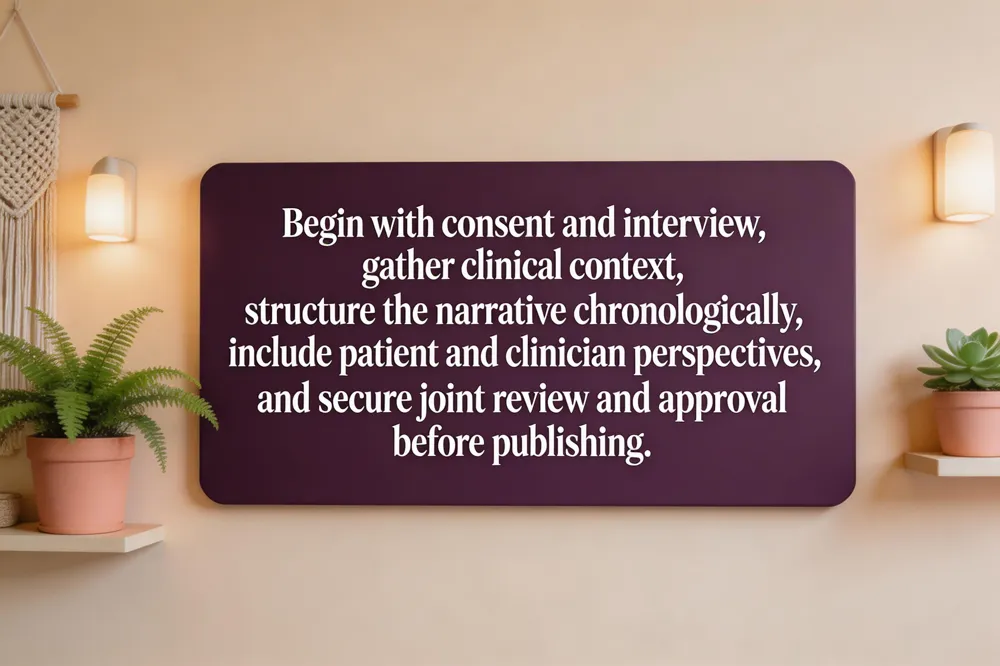 A powerful patient success story begins with consent and interview. Choose a patient whose journey clearly illustrates a positive outcome and obtain written permission to share their narrative. Conduct a relaxed, open‑ended interview that explores life before care, the diagnostic pathway, the treatment experience, and the current benefits. Pair this with a research and structure phase: gather factual information about the condition and the specific therapy (e.g., VEPTR® for scoliosis, acupuncture for chronic pain, or a plant‑based diet for melanoma) so you can ask informed questions and frame the story in a logical, chronological order. Include the clinical context by interviewing the treating clinician, who can explain the medical rationale, highlight the integrative or holistic components, and confirm the patient’s outcomes while respecting HIPAA regulations. Draft the narrative using clear, empathetic language, weaving in personal details such as age, hobbies, and community role to make the story relatable. Finally, move to review and approval: share the draft with both the patient and the clinician, incorporate any edits, and secure final written approval before publishing. This collaborative, patient‑centered process ensures authenticity, educational value, and respect for privacy.
Understanding Chronic Pain and Integrative Solutions
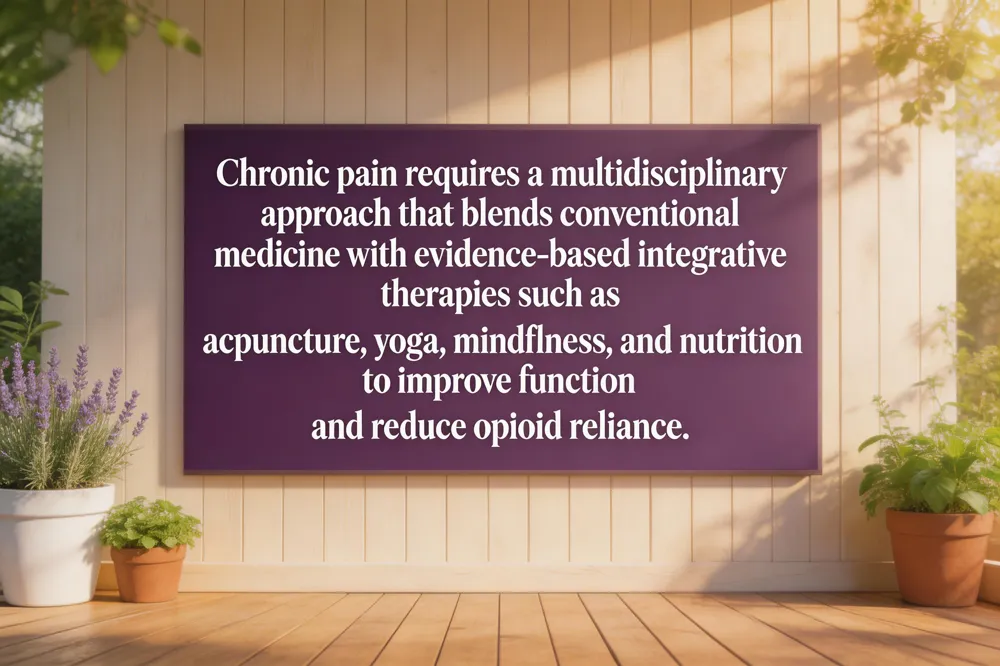 Chronic pain is pain that persists for three months or longer, beyond normal tissue‑healing time. It can be continuous or intermittent, arising from injury, disease, inflammation, medical treatment, or sometimes without an identifiable cause. In the United States roughly one‑in‑four adults experience chronic pain, and a significant subset reports high‑impact pain that limits daily activities and mental health. Effective management requires a multidisciplinary, patient‑centered approach that blends conventional medicine—such as medication, interventional procedures, and physical therapy—with evidence‑based complementary modalities. Integrative options like acupuncture, yoga, mindfulness meditation, and personalized nutrition have been shown to reduce pain intensity, improve sleep, and lower opioid reliance. A well‑known illustration is actor George Clooney, who suffered a head and spinal injury on set, resulting in chronic pain that he now manages through a combination of medical care and integrative therapies. Together, these strategies address the biological, emotional, and social dimensions of pain, fostering functional recovery and enhanced quality of life.
The Future of Personalized Healing
Integrative medicine is rapidly evolving from a supplemental service to a core pillar of mainstream health care. Trends such as hybrid tele‑health platforms, wearable‑driven data (HRV, sleep, activity) and AI‑guided treatment recommendations enable clinicians to blend conventional therapies—surgery, pharmaceuticals, and evidence‑based procedures—with mind‑body modalities like acupuncture, yoga, mindfulness, and nutrition counseling. These tools empower patients to co‑create care plans that respect cultural preferences, lifestyle constraints, and individual biology. At the community level, integrative centers partner with local nonprofits, schools, and public‑health agencies to deliver low‑cost workshops, group meditation sessions, and community‑based fitness programs, reducing health disparities and fostering collective resilience. Continuous innovation—driven by device advances such as the VEPTR® spinal expander, EmboTrap® II clot retriever, and LED photobiomodulation beds—demonstrates that personalized, holistic solutions are not static but constantly refined through research, patient feedback, and cross‑disciplinary collaboration.