Introducing Compassionate Addiction Recovery
Compassionate addiction recovery places empathy, dignity and non‑judgment at the core of care, creating a safe space where individuals feel heard and respected. Five essential principles guide this approach: (1) truth‑telling and integrity, (2) genuine compassion that seeks to alleviate suffering, (3) mutual growth and inspiration, (4) restored personal agency and responsibility, and (5)trust self‑ing intuition through mindfulness. These principles dovetail with holistic, integrative health strategies—mindfulness, yoga, nutrition, and peer support—that address mind, body, spirit and community. By blending evidence‑based medicine with whole‑person wellness, treatment becomes personalized, empowering, and more likely to sustain lasting sobriety.
Understanding the Holistic Framework
 A holistic approach to addiction treats the person as an integrated whole, addressing mental, physical, emotional, and spiritual health rather than focusing solely on substance use. It blends evidence‑based therapies—counseling, medication‑assisted treatment, CBT, and motivational interviewing—with complementary practices such as mindfulness, yoga, acupuncture, nutrition counseling, and breathwork. This mind‑body‑spirit connection reduces stress, improves self‑awareness, and nurtures purpose, helping individuals heal underlying patterns that fuel cravings and relapse.
The integrative model of substance addiction expands on this by combining person‑centered therapy, solution‑focused counseling, and peer support within a therapeutic relationship. It delivers a phased outpatient plan that simultaneously tackles psychological triggers and physiological factors, integrating medical care, mental‑health treatment, and holistic wellness services. By honoring each client’s unique story and cultural background, the model promotes empowerment, agency, and lasting recovery.
Core Principles Guiding Compassionate Recovery
 Compassionate addiction recovery is rooted in SAMHSA’s ten guiding principles, which frame recovery as a hopeful, person‑driven journey that honors self‑direction, cultural identity, and the whole‑person’s health. A holistic, trauma‑informed lens integrates medical care, mental‑health support, housing, employment and community connection, while peer support and nurturing relationships supply belonging and accountability. Parallel to these principles, the five C’s of addiction—Craving, Compulsion, Consequences, Control, and Coping—highlight the internal and external forces that sustain substance use. Recognizing craving and compulsion fuels motivation to address the painful consequences of use; regaining control involves interrupting automatic patterns, and building healthy coping skills replaces reliance on substances. Together, the SAMHSA framework and the five C’s underscore that recovery is a lifelong, individualized process, driven by hope, empowerment, and compassionate, evidence‑based care.
Compassion and the Human Connection
 Compassion is the cornerstone of effective addiction recovery because it creates a safe, non‑judgmental space where shame and stigma dissolve. When clinicians, families, and peers approach the individual with genuine empathy, they acknowledge the brain‑based nature of addiction and shift the focus from blame to collaborative problem‑solving. This compassionate stance lowers anxiety, stabilizes mood, and reduces the likelihood of combative interactions that can trigger relapse. Peer support groups and trauma‑informed care amplify this effect by fostering belonging, validating lived experiences, and reinforcing the therapeutic alliance—a predictor of treatment retention and positive outcomes. Empathy‑driven communication builds trust, encourages honest disclosure, and models healthy coping strategies, while self‑compassion empowers the recovering person to maintain motivation and adhere to personalized, evidence‑based interventions. In short, compassion nurtures the human connection that sustains lasting change.
Evidence‑Based Treatments for Common Addictions
 Medication‑assisted treatment (MAT) is the cornerstone of modern care for opioid, alcohol, and nicotine dependence. For opioids, buprenorphine, methadone, or extended‑release naltrexone normalize brain chemistry; for alcohol, oral or injectable naltrexone reduces cravings; for nicotine, varenicline or nicotine‑replacement therapy eases withdrawal. MAT works best when paired with evidence‑based behavioral counseling—cognitive‑behavioral therapy, motivational interviewing, contingency‑management, or dialectical‑behavioral therapy—providing coping skills, relapse‑prevention planning, and peer support. Integrated, holistic services that address sleep, nutrition, stress, and co‑occurring mental‑health issues further enhance outcomes.
A compassionate‑use program is a regulatory pathway that allows patients with serious, treatment‑resistant conditions to access investigational medicines before full approval. Physicians submit detailed requests outlining medical need, safety data, and a supervised treatment plan, ensuring close monitoring for efficacy and adverse effects. This approach offers a vital lifeline for those who have exhausted standard options.
Self‑Directed Strategies for Natural Recovery
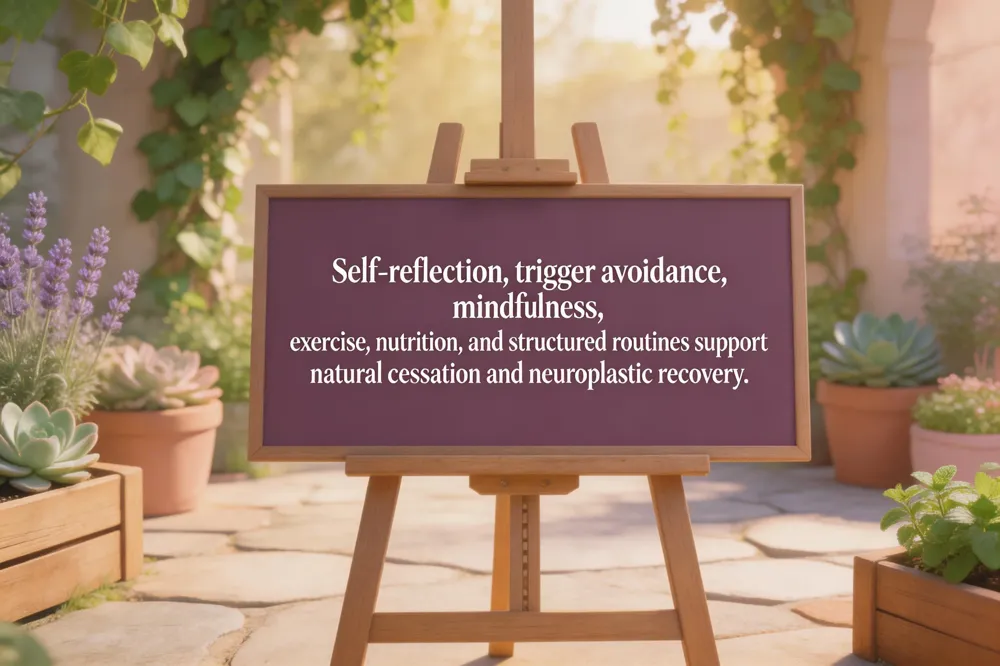 Natural cessation methods combine honest self‑reflection, trigger avoidance, and supportive routines. First, openly acknowledge the addiction and clarify why quitting matters; this personal motivation fuels change. Identify people, places, emotions that spark cravings and replace them with drug‑free relationships, hobbies, and volunteer work. Daily stress‑reduction practices—mindfulness meditation, yoga, deep‑breathing—along with regular aerobic exercise, balanced nutrition, adequate sleep, and hydration help stabilize mood and ease withdrawal discomfort. A structured routine that includes purposeful activities fills the void left by substance use.
Stage‑4 addiction, also called full dependence, occurs when the substance is essential for functioning. Cravings become intense, physiological withdrawal (tremors, sweats, shakes) appears, and the brain’s reward pathways are rewired toward compulsive use despite severe consequences. Professional care is usually needed at this stage.
Neuroplasticity allows the brain to rewire during recovery. Sustained sobriety, exercise, sleep, nutrition, and therapies such as CBT and mindfulness promote healthier neural pathways, reducing cravings over time.
Spiritual and Cultural Dimensions of Recovery
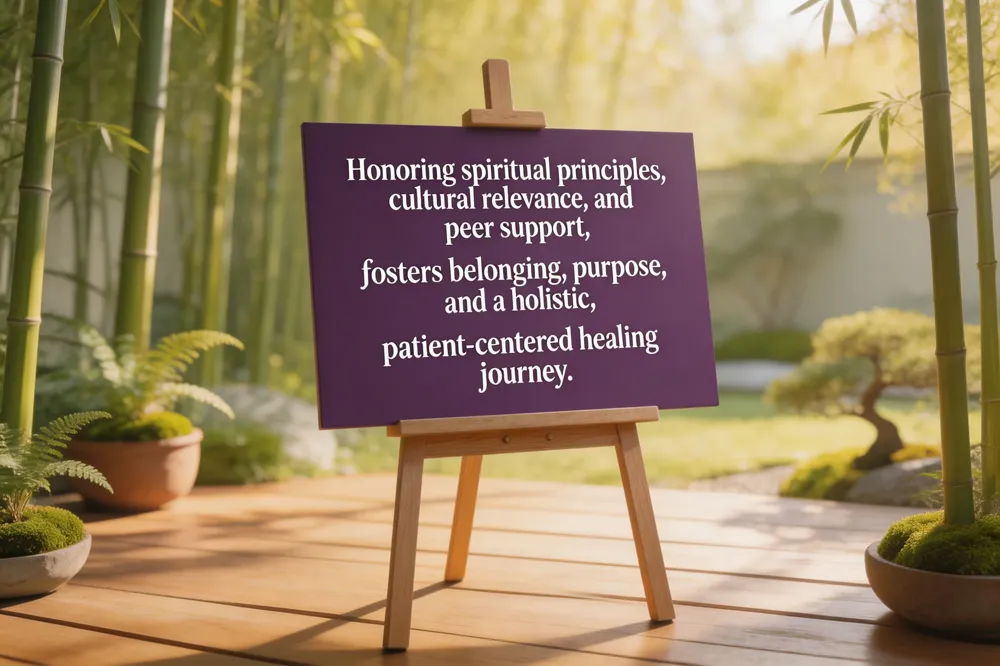 Recovery is most robust when it honors both the inner spirit and the wider cultural context in which a person lives. The twelve guiding spiritual principles of recovery—Acceptance, Hope, Faith, Courage, Honesty, Patience, Humility, Willingness, Brotherly Love, Integrity, Self‑discipline, and Service—mirror the twelve steps of AA/NA and provide a roadmap for personal transformation. Each principle invites individuals to confront reality, cultivate optimism, embrace a higher purpose, and give back to the community.
Cultural relevance and trauma‑informed care recognize that people’s beliefs, histories, and trauma shape their healing journey; SAMHSA and APA stress culturally safe, trauma‑sensitive environments to build trust and safety.
Peer support and community integration foster belonging and accountability, reducing isolation and reinforcing recovery identities through mutual‑aid groups and community networks.
Holistic well‑being blends conventional medicine (detox, MAT, CBT) with mind‑body practices—mindfulness, yoga, nutrition, and exercise—addressing physical, emotional, spiritual, and social health. Together, these elements create a compassionate, patient‑centered framework that empowers individuals to live self‑directed, purposeful lives.
Putting Principles into Practice
Recovery thrives when the five essential principles guide life. 1) Integrity – tell the truth to yourself and others. 2) Compassion – offer genuine kindness, not codependency. 3) Growth – seek learning and support others’ progress. 4) Agency – own choices and responsibility. 5) Intuition – trust inner signals cultivated by mindfulness. To put these into practice, start a weekly journal of reflections, schedule a meditation, join a support group, set one goal, and check in with a counselor. If you need help, call SAMHSA’s National Helpline (1‑800‑662‑HELP), visit FindHelp.gov, or dial 988 for crisis support. Eclipse Wellness invites you to explore its program that blends therapy, yoga, nutrition and coaching to sustain sobriety.